
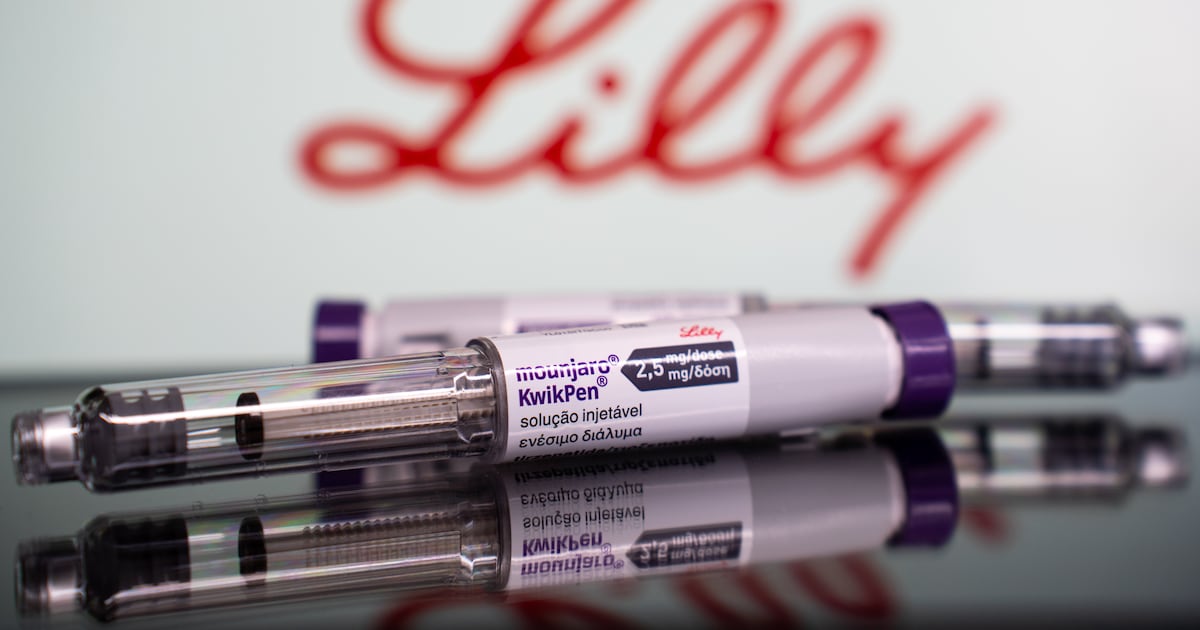
The HSE is considering reimbursing more weight-loss drugs, known as GLP-1 medications, after receiving a number of applications.
The HSE drugs group met on Tuesday to discuss Mounjaro but has not yet made a recommendation.
“Applications have been made for reimbursement of a number of GLP-1 medications, and these are currently being considered within the HSE’s drugs reimbursement process which encompasses clinical, cost effectiveness and budgetary issues,” a statement said.
The HSE said its corporate pharmaceutical unit – which liaises between the executive and pharmaceutical industry – “will be involved in negotiations with the manufacturers on pricing in line with normal practice”.
“This process can take some time and there may be a number of meetings of the drugs group before a recommendation may be made to the HSE senior management team,” the statement continued.
[ How the rise of Ozempic is reversing the progress on body positivityOpens in new window ]
Weight-loss drugs such as Mounjaro, Ozempic and Wegovy are available privately for type-2 diabetes and weight management. They range in price from about €130 to €600 per month, depending on the brand and dosage.
Saxenda, which is injected daily, is the only form of GLP-1 therapy that is reimbursed for weight loss by the HSE. This means it is free under the medical card or subsidised for private patients on the Drugs Payment Scheme, which has a cost limit of €80 per month.
More than 45,000 people are getting Ozempic for free under the Long-Term Illness Scheme, with more than 8,000 receiving it under the medical card. However, it is only available under these schemes for the treatment of type-2 diabetes.
[ GLP-1s in Ireland: How weight-loss medications work under the HSE systemOpens in new window ]
The HSE said the State’s approach to GLP-1 medications “also raises important matters of health policy which will require discussions over the coming months with the Department of Health and other key stakeholders on the potential overall impact on the health budget”.
“The outcome of these discussions will also need to be considered by the HSE in finalising the approach to reimbursement of these drugs.”
In December 2025, the National Centre for Pharmacoeconomics (NCPE) said Mounjaro was not cost-effective but that the HSE should consider reimbursing it if it could agree a price reduction with the manufacturer, Eli Lilly.
[ Inside the Irish factory at the centre of the global weight-loss revolutionOpens in new window ]
Prof Michael Barry, who leads the NCPE, said earlier this year that Eli Lilly had made an offer for a significant price reduction that would make the drug cost-effective, or close to it.
However, he warned it could still cost the State between €2 billion and €3 billion over five years.