
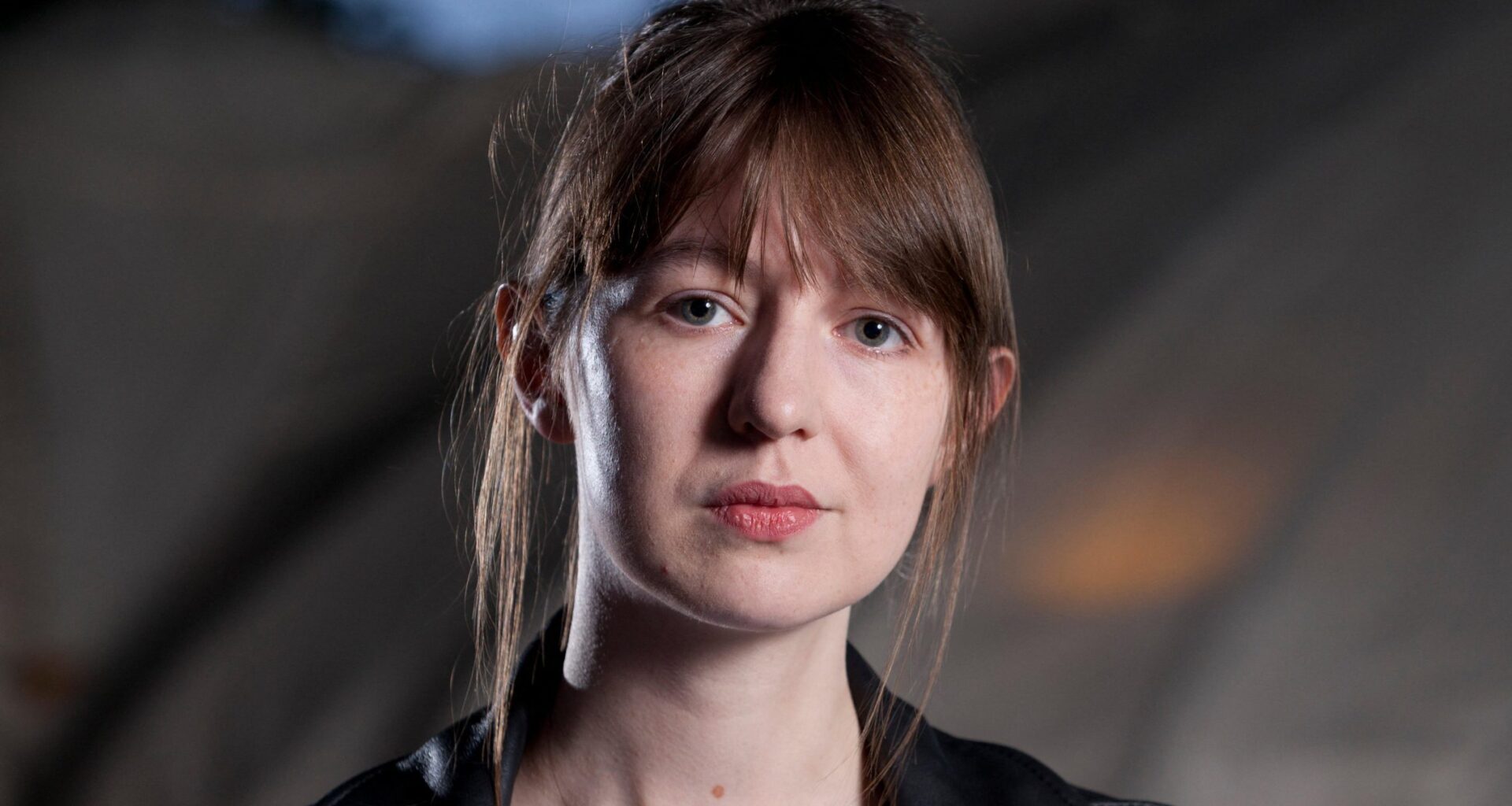
Sally Rooney is a banned author.
Sally Rooney is not a banned author.
Can both these statements be true at once? Strangely yes.
On Wednesday Rooney and her publishers Faber and Faber announced that they will cease distributing books in the UK because the bestselling Irish author had pledged verbal support for Palestine Action and, crucially, said she’d use her book royalties to fund them. In July 2025 Palestine Action were proscribed as a terrorist group in the UK. The news has divided many, specifically on the point of whether this is a free speech issue.
Those arguing it’s not have pointed out that if someone said they wanted their money to fund Isis or Boko Haram we would not have objected. So why is our view of Palestine Action different? Why don’t we accept that Sally Rooney is funding a terrorist organisation? After all PA’s been proscribed. Law is law is law.
They have also pointed out that it’s not the material substance of her books that is being banned. No censor has leafed through Normal People and decided they take issue with its content. Sales of her books are not even being paused on the basis of her verbal support of Palestine Action. It solely rests on the fact that she says she’ll fund the organisation. Again, they have a point.
So yes, this is not a clean free speech issue. But nothing about Palestine Action ever was, and that is really what people are talking about when they talk about Sally Rooney being banned.
When Palestine Action was first proscribed, I wrote about my concerns around the free speech implications of the Terrorism Act, asking whether it was fit for purpose. It is written with broad brushstrokes (see for example Section 12, which says someone may be criminalised for being reckless in their speech supporting them in reference to how that speech is interpreted by those who hear). Broad brushstrokes rarely bode well for freedom of expression. We soon had examples of its overapplication: we had people being detained for carrying a placard featuring a Private Eye parody of the proscription and police threatening to arrest a woman for using the phrase “Israel is committing genocide in Gaza”. It was clearly mission creep. That, for Index, is bad legislation.
In the same article I questioned whether it was a proportionate response. I am clear-eyed about Palestine Action. They have smashed up equipment at UK defence facilities and it’s the property damage clause of the Terrorism Act they were proscribed under (even though assurances were made at the time the Act was passed that the legislation targeted lethal violence and mass casualty threats rather than domestic protest or property damage – a primary example of why the legislation needs revisiting). One member of their group has also been found guilty of causing grievous bodily harm to a police officer. They’ve vandalised property belonging to Jewish people who Palestine Action accused of being linked to Israeli arms dealers but were not. I won’t begin to justify these actions. Fortunately, we have laws in this country that can be used to prosecute these crimes and some have been prosecuted under these laws, although they have received much longer sentences than the norm because of Palestine Action’s proscription and juries have been reluctant to convict.
The UK home secretary at the time of PA’s proscription, Yvette Cooper, suggested the government had damning evidence against the group, but this never materialised during two court appeals. So in lieu of that, the decision to proscribe them has felt like a political move to crush the more extreme fringes of the Palestine solidarity movement and in doing so, ironically, thrust them into the mainstream.
It is also true that Sally Rooney is not the most sympathetic figure here from a free expression point given her vocal support of the BDS (Boycott, Divestment, and Sanctions) movement, which Index opposes, although she does now have an Israeli publisher. Index is against cultural boycotts. They silence invaluable perspectives and starve communities of literature that could challenge conformity of thought.
There’s a final question over whether Faber and Faber could have continued selling her books. Are publishers responsible for how their authors spend their cash? Is this all just a publicity stunt? Maybe, but given what has unfolded these last 16 months, caution here feels wise.
When the great poet Stephen Spender founded Index on Censorship in the early 1970s he opined that “the problem of censorship is part of larger ones about the use and abuse of freedom.” This is exactly what people are saying when they say this is a free speech issue and that Rooney is a banned author. Many reasons can and do give rise to books being removed from shelves.
You may not like Sally Rooney. You may not agree with her. You certainly don’t have to like Palestine Action or agree with their methods. But something was clearly wrong about the organisation’s proscription in 2025. That has led to the arrests of thousands of peaceful protesters, many who are pensioners, one the daughter of a Holocaust survivor. It has led to us having to remove lines from an article by Peter Tatchell lest we too fall foul of the law. And now it has led to Sally Rooney’s books being removed from bookshops. Include all the caveats you want about Rooney and Palestine Action but don’t let these caveats stop you being concerned too about where Britain is heading today.