
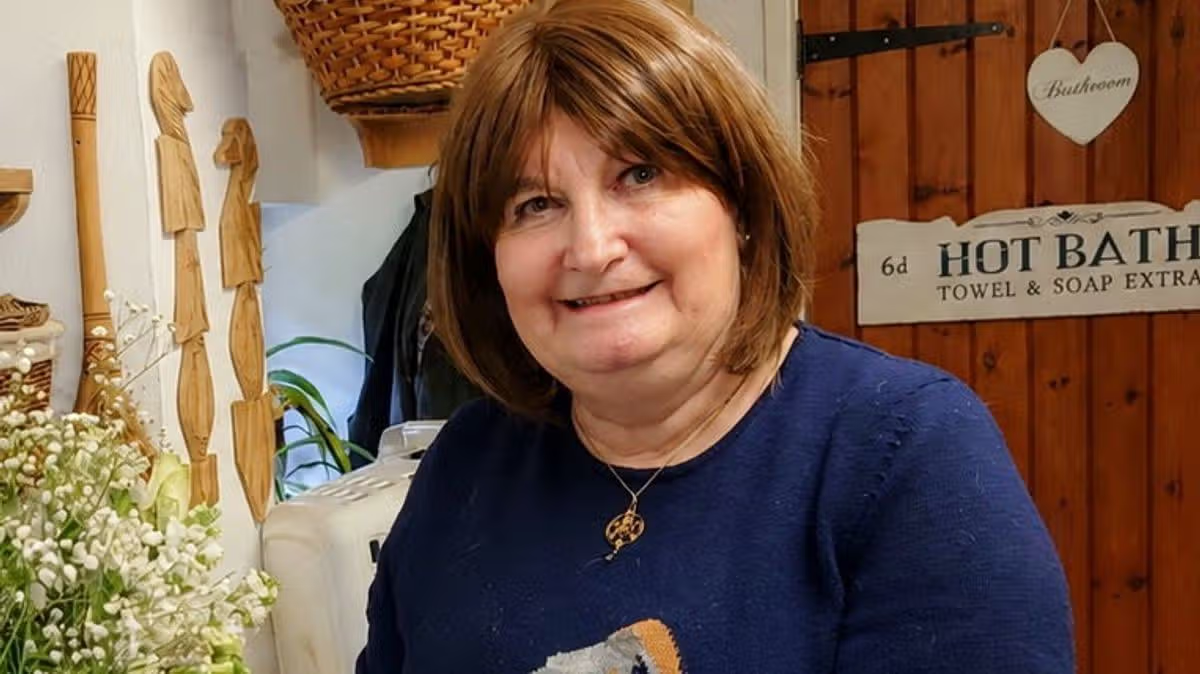
She may now need to sell her home to pay for the life-saving procedure
Neil Shaw Assistant Editor
08:26, 16 Oct 2026Updated 08:59, 16 Oct 2026
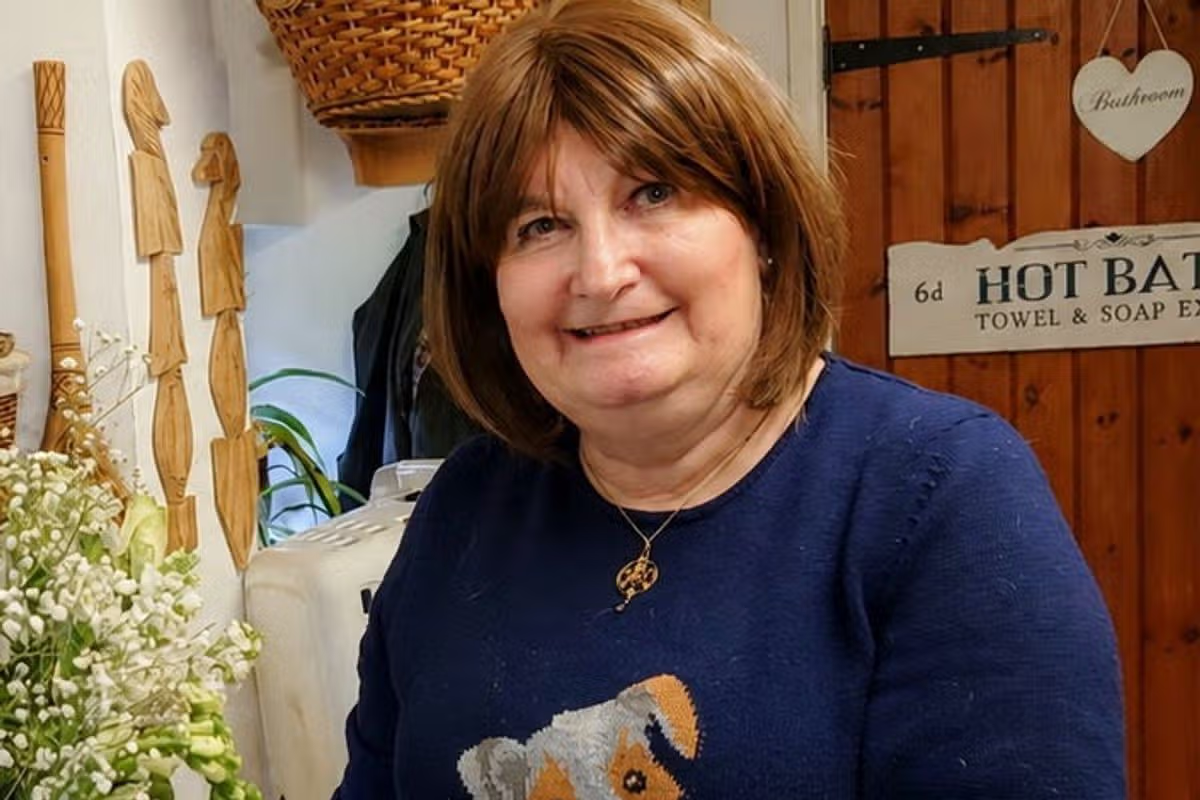
Marie Stibbe
A woman says she is having to take her mother to India for cancer treatment after the NHS said there was nothing they could do and she only had months to live. Marie Stibbe, 79, visited her GP with ‘itching all over’ last December and was told to try taking antihistamines.
A blood test later revealed she had diabetes, and markers potentially indicating ovarian cancer, so she was sent to Exeter Hospital’s gynaecology department. A scan in February found out she actually had hepatocellular carcinoma, or HCC, a type of liver cancer.
She was referred to the hospital’s hepatology department, where, daughter Rachael Stibbe says, Marie was told that she had just 12 months to live and that chemotherapy would only buy her a ‘few weeks’ of life. Rachael said: “It was just a complete shock, it came out of nowhere. The family were not expecting that off the back of ‘I’ve got some itchy skin, I’ve got diabetes’.”
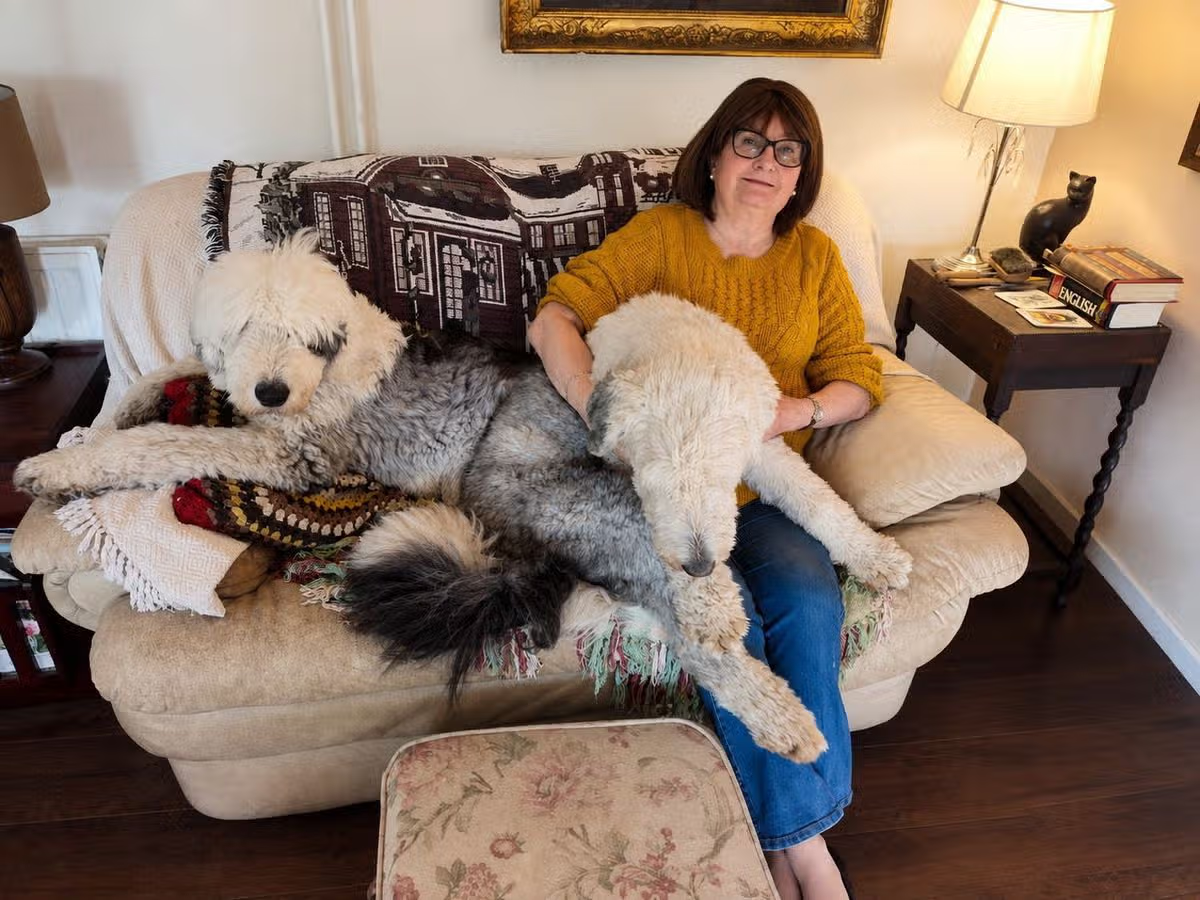
A blood test revealed she had markers indicating cancer
A scan at the beginning of March revealed Marie had a 7.5cm tumour, and her liver was scarred, but still functioning. B y April, Marie still hadn’t had an appointment with her hospital’s cancer team, so Rachael spoke to a liver expert at King’s College, Professor Michael Heneghan, who told her to urgently contact the Patient Advice and Liaison Service, or PALS, over concerns that the 62-day target for starting cancer treatment following referral had been missed.
Rachael said: “We carried on waiting, and I carried on chasing, and we were just getting nowhere. We complained about the bloating, the water in her legs, and how bad it was getting – and we were told to go and see the GP for water tablets.”
In May, Rachael paid £700 for a private MRI scan from Nuffield Health – which showed her mother’s tumour had grown to 14cm, and her liver was now no longer functioning properly. By July, doctors said there was nothing else they could do for Marie, and that she had just another six to 12 months to live.
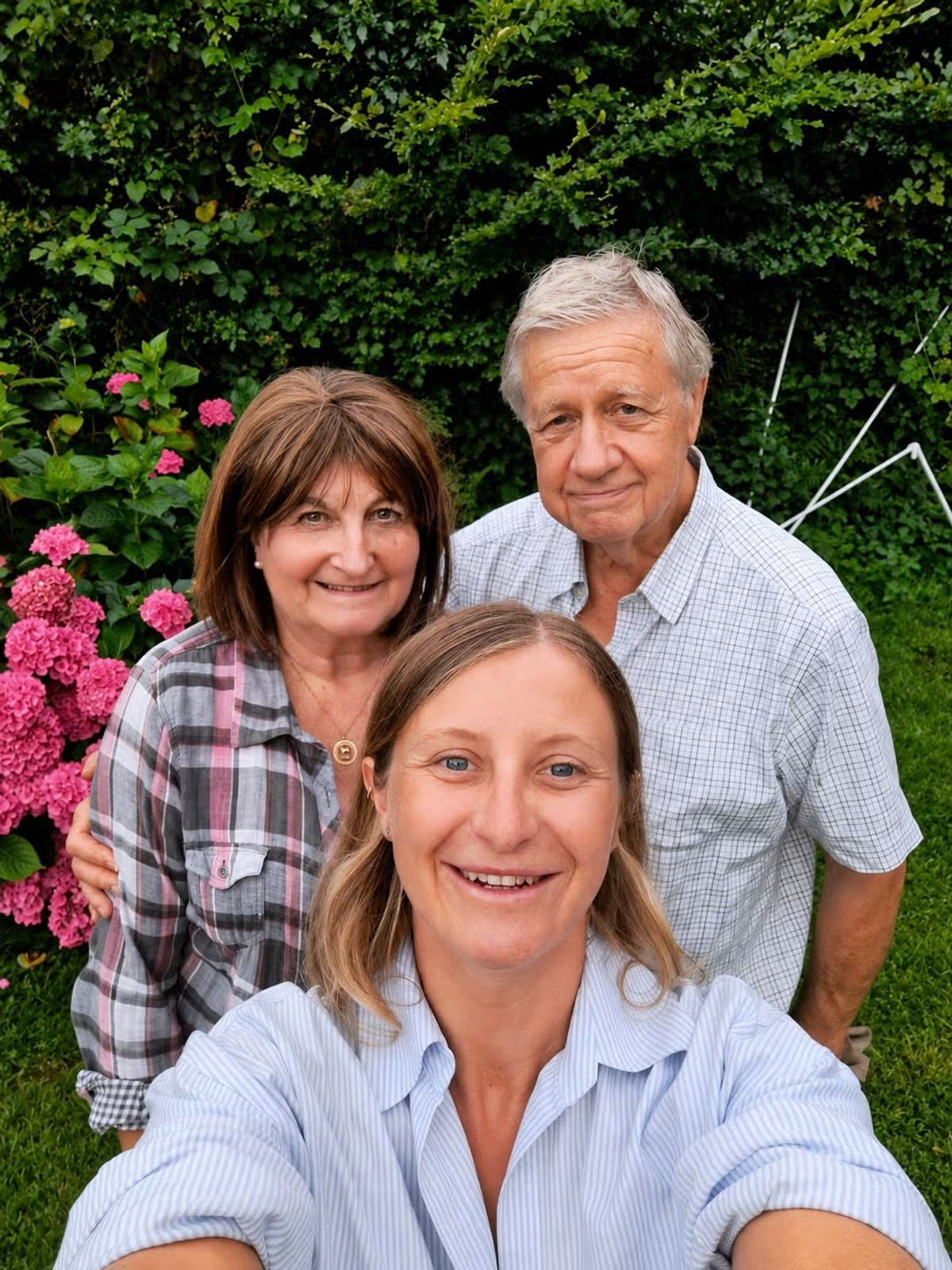
Marie with her family
Rachael attempted to commission a £2,500 scan on the advice of Professor Heneghan. But, Rachael says, NHS doctors were unwilling to fill in the required forms authorising the scan – s o she looked to India’s healthcare system to save her mother’s life.
After finding doctors through The Medical Travel Company, a UK-based company which arranges for patients to go to India for treatment, Marie was immediately advised to get a scan. Marie was flown to New Delhi, India, at the beginning of August, and doctors said they could save her life.
Doctors in India performed ‘transarterial radioembolization’, or TARE to treat the tumours, which they said had not spread outside of her liver. Rachael said India’s health system “puts ours to shame”, and she is now preparing to fly over to India to see if she can donate part of her liver to her mum.
Doctors have put the likelihood of a successful liver transplant, carried out by liver expert Dr Arvinder Singh Soin, at between 95 and 98 per cent. Rachael said: “She didn’t really want to get on a plane, fly 5,000 miles away from her animals, her children, and her family.
“But she understands it’s her only chance. She understands the NHS gave her a death sentence – it is that simple. Having come through her TARE treatment, it has been successful and she can have a transplant, she’s a lot more positive now. She’s been given a chance, and this was a chance that the NHS wouldn’t give her.”
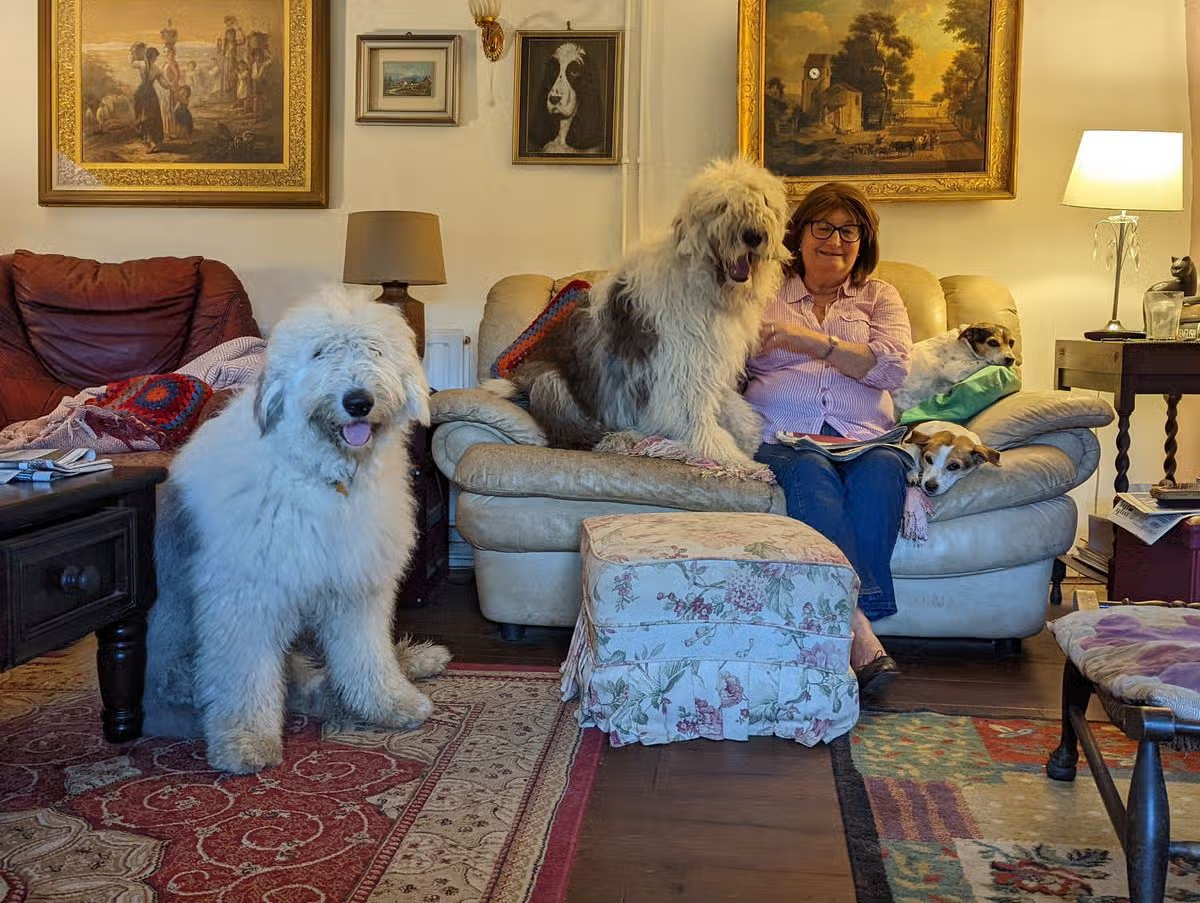
Marie at home, which she may need to sell to pay her medical bills
However, the cost of the treatment is steep. Rachael has already taken out a £20,000 loan just to pay for the £16,000 TARE treatment, and the family has had to rely on assistance from a charity to pay for the £25,000 transplant – with more costs expected.
A fundraiser on the website GoFundMe has already raised more than £8,000 in donations. Marie’s husband Alan, 79, says the couple may have to sell their 17th century Devon longhouse, where they keep ducks and chickens during their retirement, in order to pay the £40,000 bill they expect to face at the end of Marie’s treatment.
He said: “My daughter’s had to take out loans, she can’t take out any more. I can’t take out any more, I’m retired. We’ll just see what happens, but I think it’s going to be the sale of the house, and that seems harsh. It’s supposed to be from the cradle to the grave, there’s nothing about it being from the cradle to India.
“The good news is, my wife will probably live – whatever her quality of life will be, at least we’ll be together.”
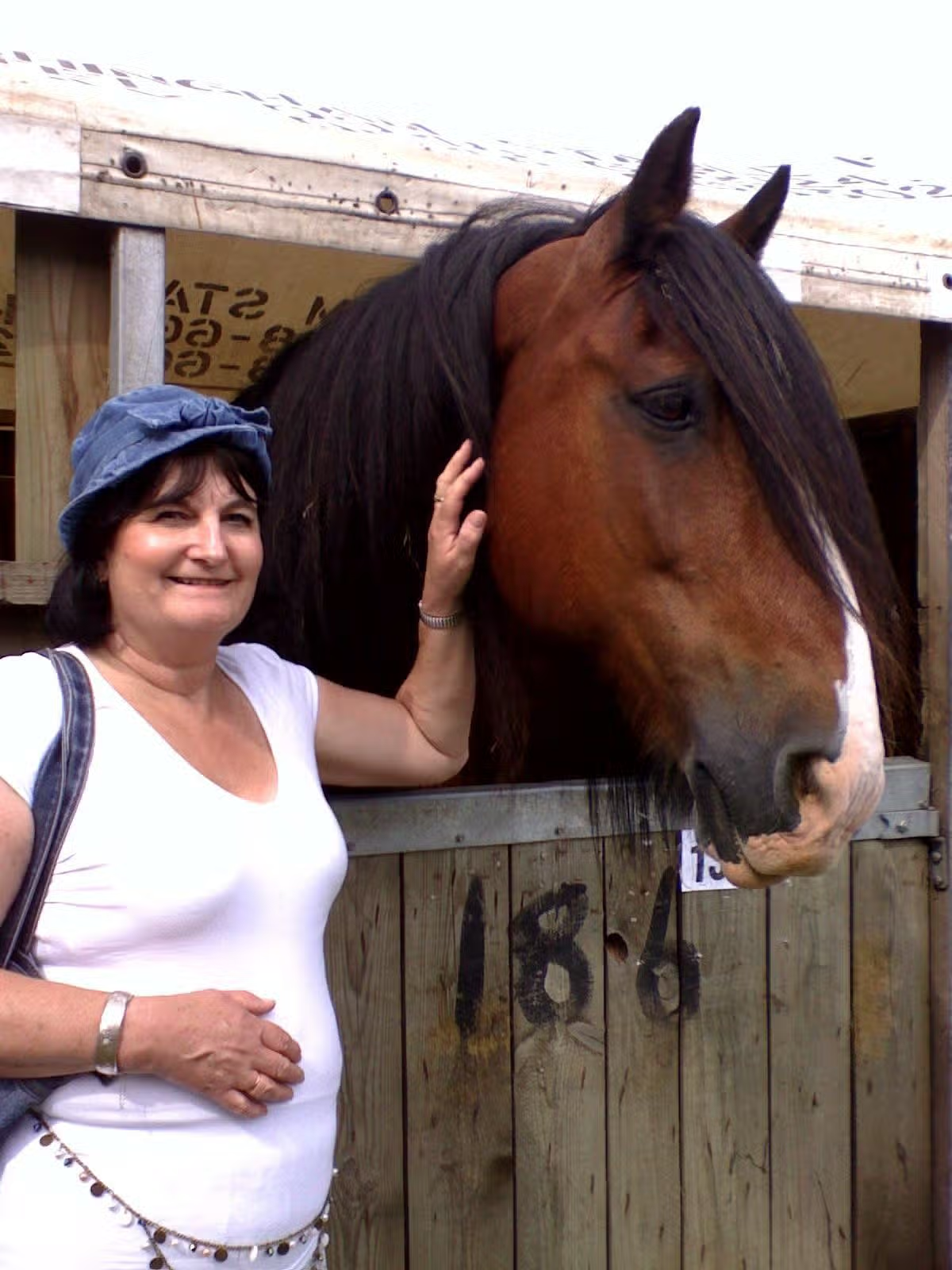
Marie Stibbe
Rachael has complained to the NHS about her mother’s care, and requested they reimburse the cost of her private treatment. She added: “There are just so many people out there with liver cancer in the UK being told to go home and die, and I just wouldn’t accept it. I don’t trust the NHS, I really don’t trust them. Not at all.”
In response to Rachael’s complaint to the Royal Devon University Healthcare NHS Foundation Trust over her mother’s care, the trust conducted a review of Marie’s treatment.
But in a letter sent in August by director of nursing Beverly Allingham, she says the review “has not identified failures in care or significant delays attributable to the Trust” – and blames Marie for the 62-day pathway being exceeded, due to the “postponement of appointments whilst a second opinion was sought.”
In a statement, a spokesperson for the Royal Devon University Healthcare NHS Foundation Trust said: “The concerns raised by Ms Stibbe were fully investigated through our complaints process, in line with Trust and national policy. We kept her informed throughout those investigations and have provided a comprehensive response to her concerns.”