
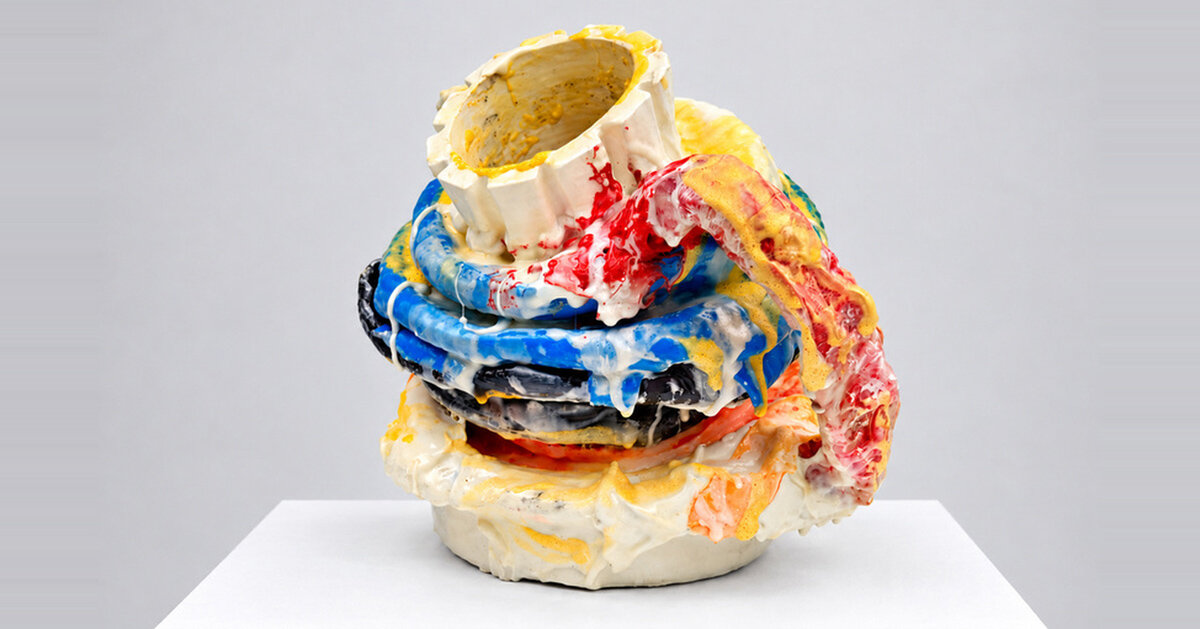
DISCARDED RESEARCH PROTOTYPES turn into SCULPTURAL OBJECTS
Developed by industrial designer and researcher Ruben Moutinho, THE FORM THAT REMAINED transforms discarded research prototypes, experimental models, and obsolete components into a series of one-of-a-kind sculptural objects. The project establishes its material archive directly from scientific and technological development projects, preserving the technical geometries, surface treatments, and structural forms produced during iterative testing and refinement. Rather than concealing their origins, each sculpture retains the name or acronym of its source research project, such as SHESOIL, AUTONOVA, LIVIA, BRIVA, ACTIVA, and UNIKA, as an independent sculptural identity.
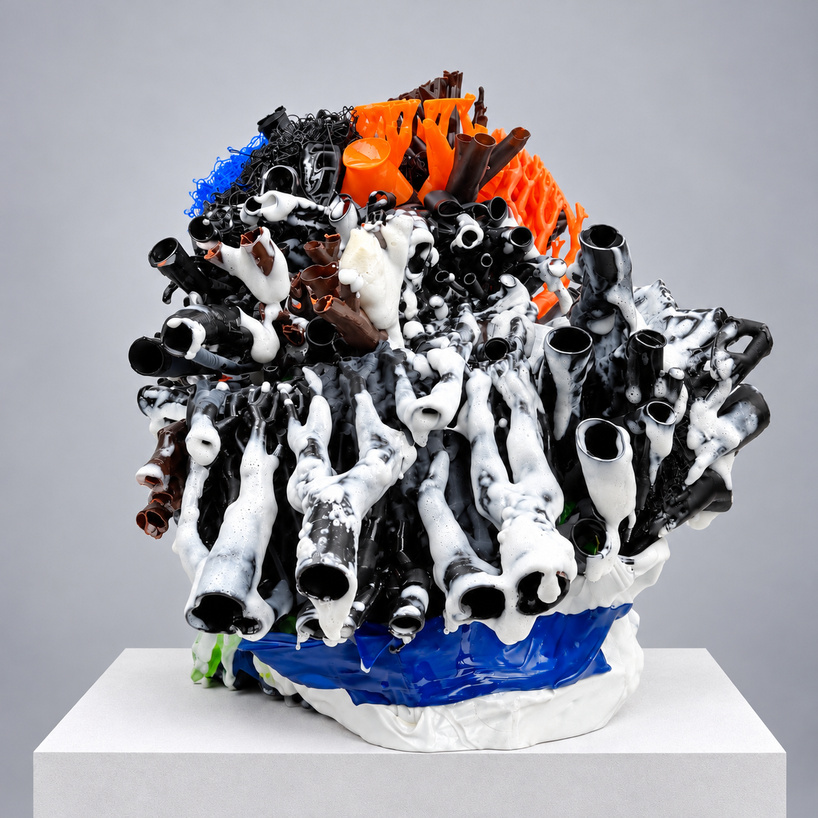 all images ©Ruben Moutinho
Sculptures act as physical archives of scientific process
Central to the collection is STRATA, a material process involving the cutting, fragmenting, collage, overlapping, and fusion of components harvested from a single research initiative. The assembly method brings together technical structures and organic shapes, exposing diverse colors, textures, and material characteristics without masking the boundaries between individual parts. By shifting discarded prototypes out of their original functional context, the process designer Ruben Moutinho follows produces non-reproducible objects with irregular geometries and layered surfaces, converting temporary experimental remains into permanent sculptural artifacts.
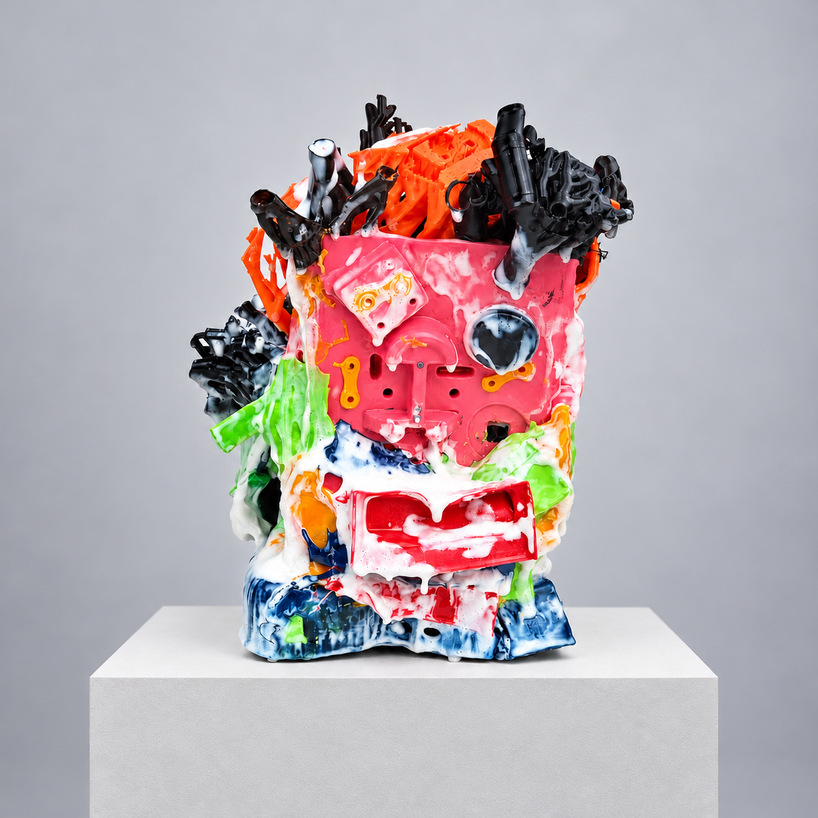 the collection converts discarded prototypes and research fragments into unique sculptural objects
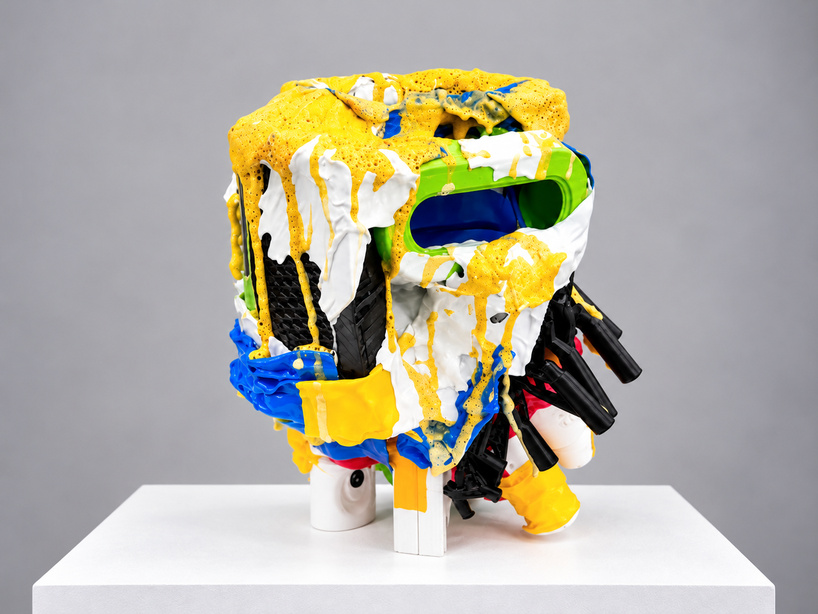 physical components are harvested directly from scientific and technological development archives
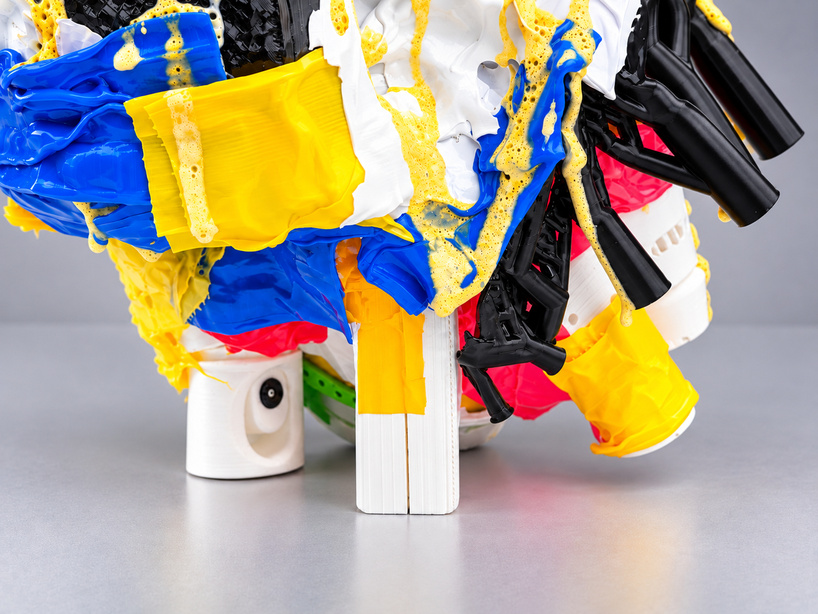 discarded models retain geometries shaped by technical requirements and experimental testing
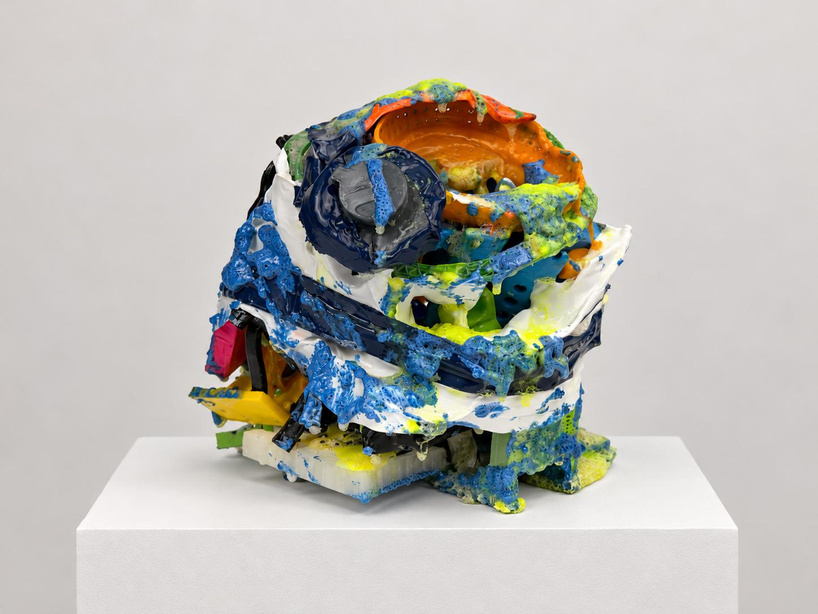 the project examines how physical matter persists after its functional utility expires
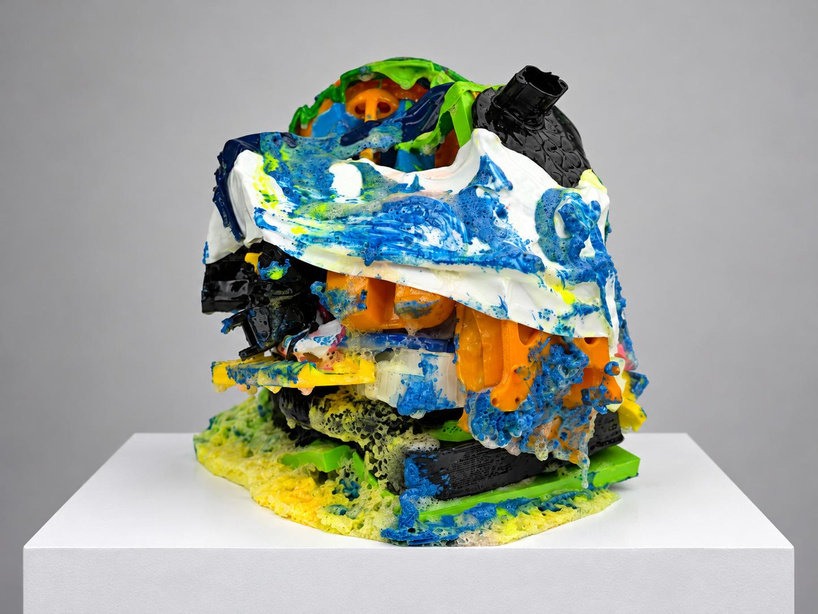 components are cut, fragmented, and reassembled using techniques of collage and overlapping
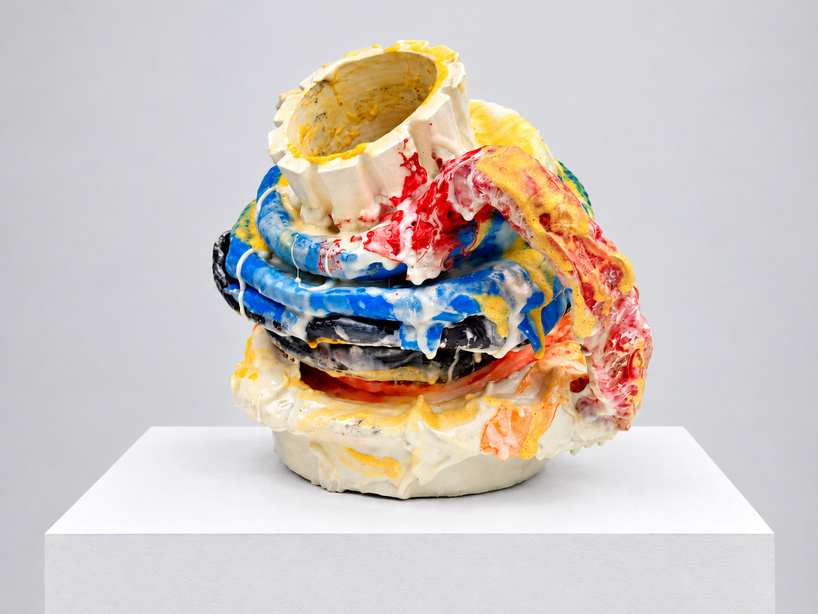 technical structures intersect with organic configurations within a single sculptural volume
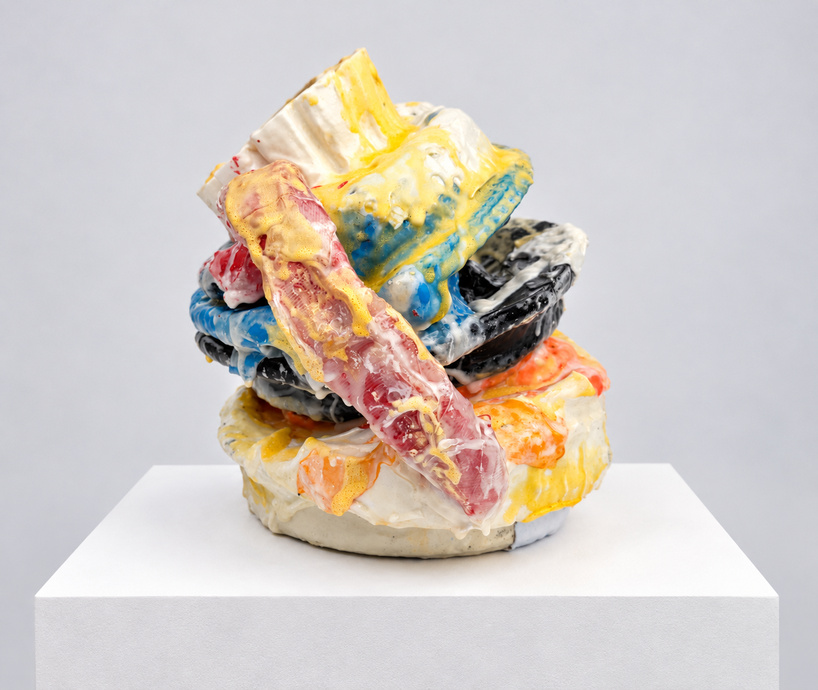 the production method exposes the original colors, textures, and material properties of each part
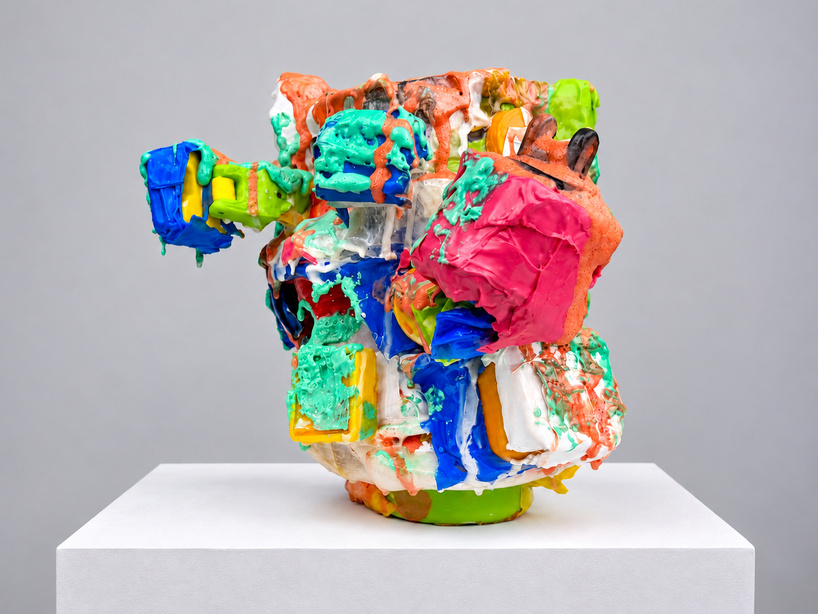 unpredictable material behaviors influence the final geometry of each completed object
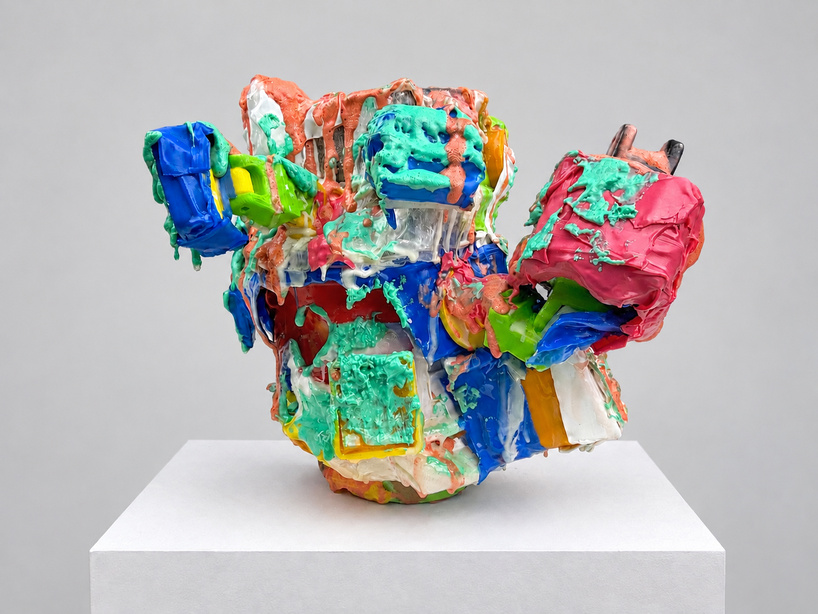 distinct components remain visible, preserving the individual identity of each sub-element
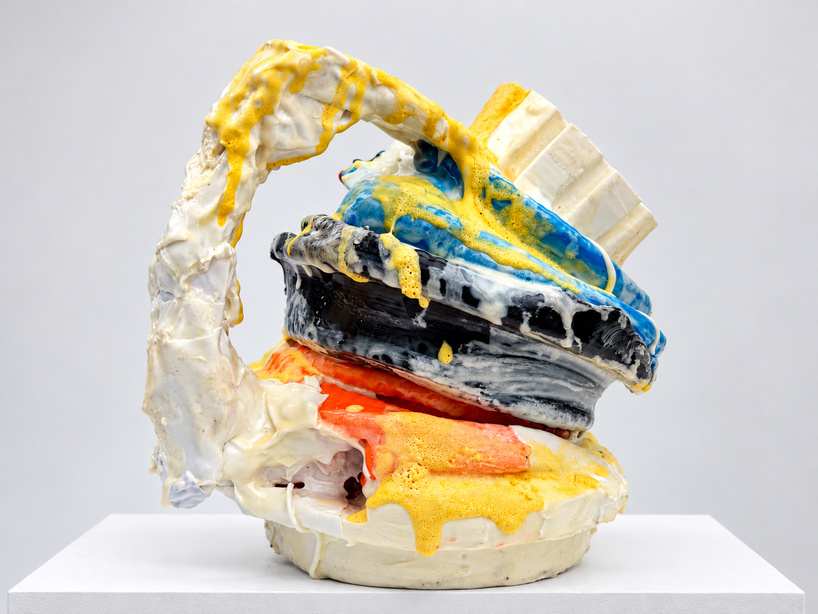 surfaces feature layered textures, irregular silhouettes, and contrasting color combinations