
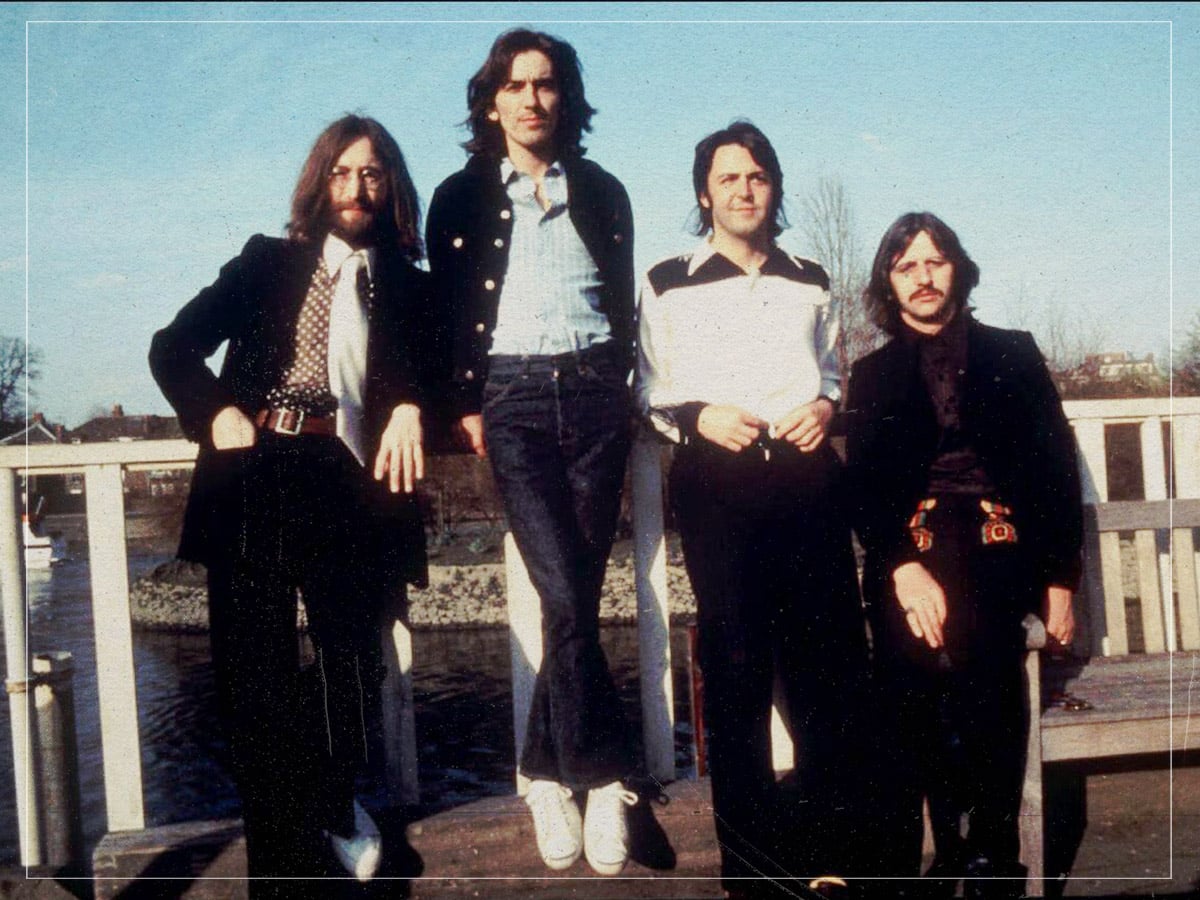
Credit: Far Out / Alamy
Sat 17 October 2026 14:15, UK
John Lennon was never known to play coy when it came to how he felt about certain things.
Some of the greatest tunes that he ever wrote were about his definitive stance on whatever he was working on at the time, and it didn’t take long for him to start waxing poetic about whatever Beatles song he didn’t like or what he felt could have used a bit of tidying up behind the scenes in The Beatles’ catalogue. He was well within his rights to voice his opinion, but sometimes the world might not have been as ready to hear it as he was whenever he worked on some of their later material.
Because as much as Lennon tried anything in the name of making something new, no one was going to have a completely positive reaction to hearing Two Virgins for the first time. His collaboration album with Yoko Ono was more confusing than anything back in the late 1960s, and since Lennon and Ono were both on the cover in the nude, it wasn’t like the world had the same reaction as they would to the latest Beatles single.
But that’s where his head was at during that time, and it was far from anything remotely associated with rock and roll. He had spent his entire life trying to make catchy pop songs, but he relished the idea of making things sound weird. Which is probably why it got more and more irritating for him to have to work on songs that seemed to be Paul McCartney’s excuse to work on the most dopey, optimistic songs he had ever heard.
Granted, the end of The Beatles had already seen the duo working separately from each other, but that didn’t mean that they still didn’t have an immense respect for each other’s work. They were still willing to help out when their partner was having a bit of writer’s block, and given how Let It Be is painted as the one album where they weren’t getting along, Get Back proves that wasn’t necessarily the case at all.
They were still happy to be making music together under the right circumstances, but when Abbey Road began, they did start to feel the tension a little more. There was no reason to think that the band couldn’t still deliver the kind of record that they felt would leave a lasting impression, but after getting into a car accident at the start of the sessions, Lennon was a lot more callous when it came to what he wanted for his tunes.
‘Come Together’ was the one song that put them back in everyone’s minds when they turned on the album, but when tracking the thing, Lennon insisted that no one else should be singing the tune except for him, with engineer Geoff Emerick recalling, “Paul blurted out, ‘What do you want me to do on this track, John?’ John’s reply was a diffident ‘Don’t worry. I’ll do the overdubs on this.’”
“Paul looked a bit hurt, then angry. For a moment, I thought there was going to be an explosion. Instead, he contained himself, shrugged his shoulders, and simply walked out of the studio.”
Geoff Emerick
Further reading: From The Vault
Which is a real shame because outside of the singing, this is one of the best instances of the Fab Four gelling together as a band in their final years.
Every single part of the arrangement is playing its own part in making it a classic, from Lennon’s vocal to Macca’s bassline to Ringo Starr’s steady drumming, and with George Harrison coming in with those tasty guitar bends at the end, the whole thing is a perfect encapsulation of how they could still make a mean groove when they wanted to.
In fact, for all of the headaches that went into making Let It Be into something salvageable, ‘Come Together’ did in one song what McCartney probably wanted the entire Get Back project to be. It was about taking things back to basics, but there was still that heart behind everything that all great Beatles songs needed to succeed.
ADD AS A PREFERRED SOURCE ON GOOGLE  The Far Out Beatles Newsletter
All the latest stories about The Beatles from the independent voice of culture.
Straight to your inbox.