
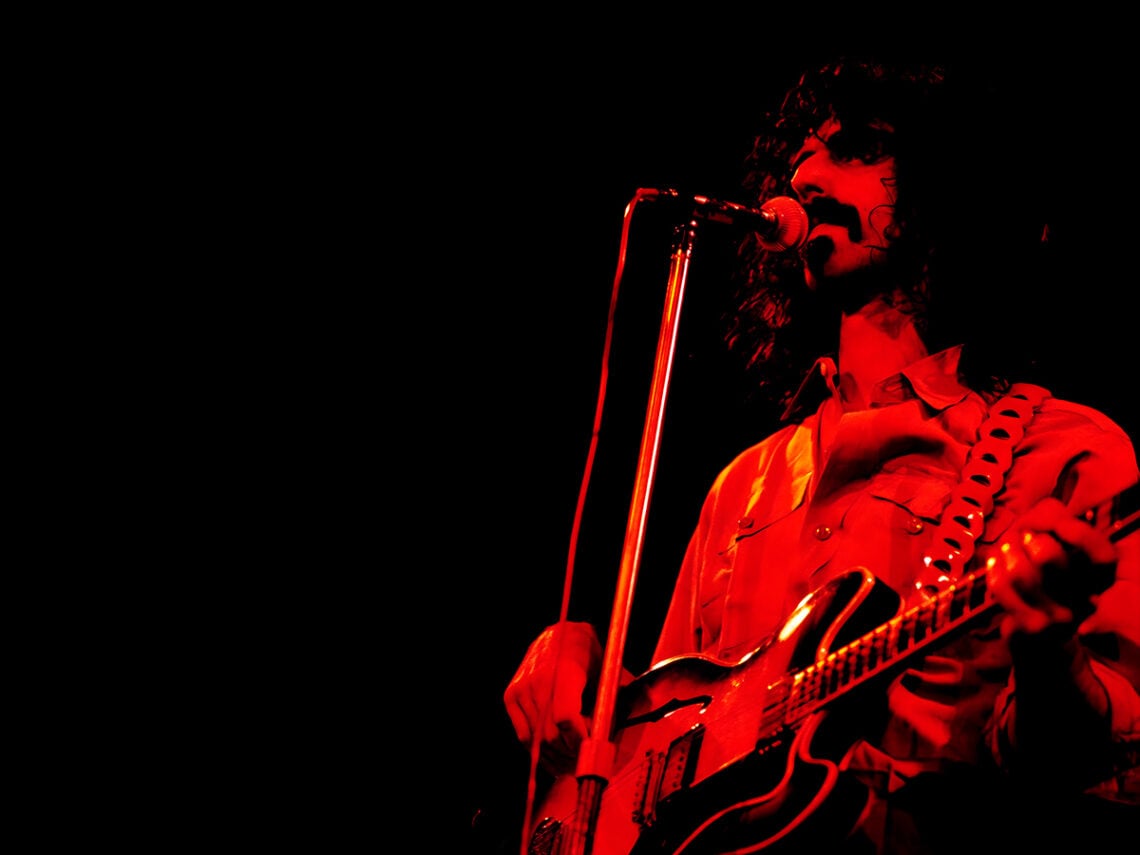
Credit: Bent Rej
Sat 17 October 2026 22:00, UK
There are plenty of things that you can call Frank Zappa, but a commercial artist isn’t one of them.
During his lifetime, the man released a whopping 62 albums, and that’s not even counting the records for which he acted as the producer or helped to write. He was completely obsessed with everything to do with making authentic music. He loved basic songwriting like that of AC/DC, and revelled in the chaos of people like Captain Beefheart, because both artists were simply doing what came naturally and what they loved.
Ronald Frederick Lane was a great songwriter, but he thought that people who focused too much on fame and success wound up poisoning their own creativity. People become so obsessed with the spotlight that they dismiss what they think is good and focus on what they think will sell.
“As far as I’m concerned, if half of them had never been stars, they would have done something better; it’s totally stardom that’s fucked them up,” said Lane when talking about some of the musicians who had made a name for themselves in the ‘60s.
Adding, “Or this illusion of stardom; it’s not even real. Alright, let the little girls’ magazines say it’s glamorous and all that, but Christ, we’re grown men, aren’t we? We should know better. But no. All the ‘stars’ think it’s glamorous too…”
Zappa and Lane had a similar mindset: they were both artists who championed authenticity over anything else, and that meant not paying attention to trends, or worrying too much about what was making waves on the radio. In fact, Zappa didn’t think too much about the songs he wrote that made it onto the radio; if something was accepted by the mainstream, in his mind, it wasn’t challenging enough.
In 1982, he wrote the song ‘Valley Girl’, a track which got plenty of airtime, but that he wasn’t quick to claim. He felt that the song was empty enough that radio stations and audiences at large would be more likely to latch onto it, but that didn’t necessarily mean he thought that it was a good song. In fact, the popularity of the track meant that it was likely the exact opposite.
Further reading: From The Vault
“‘Valley Girl’ is innocuous enough that they’ll play it,” said the avant-garde artist. “They figure everyone will just have a little laugh and that’s it. No real information is conveyed. There is definitely an anti-information syndrome as far as radio is concerned. No real content is ever allowed on the airwaves anyplace.”
‘Valley Girl’ wasn’t the only song by Zappa which reflected his disdain towards a lot of music in the mainstream. He famously hated the flower power movement, and so wrote ‘Flower Punk’ in a bid to take those who engaged with it to task and essentially tell them where they could shove it. Like I said, you can call him a lot of things, but trying to call him a mainstream artist, or an artist who remotely tried to appeal to the mainstream, would be way off.
“I didn’t really expect any group who was singing about flower power to believe in it,” he said, concluding, “And that’s the thing that was really bugging me about the whole thing, because the audience that was going along with the fad of flower power was being fed all this garbage and never stopped for a moment to question the integrity of the people who were whipping it on ’em.”
