
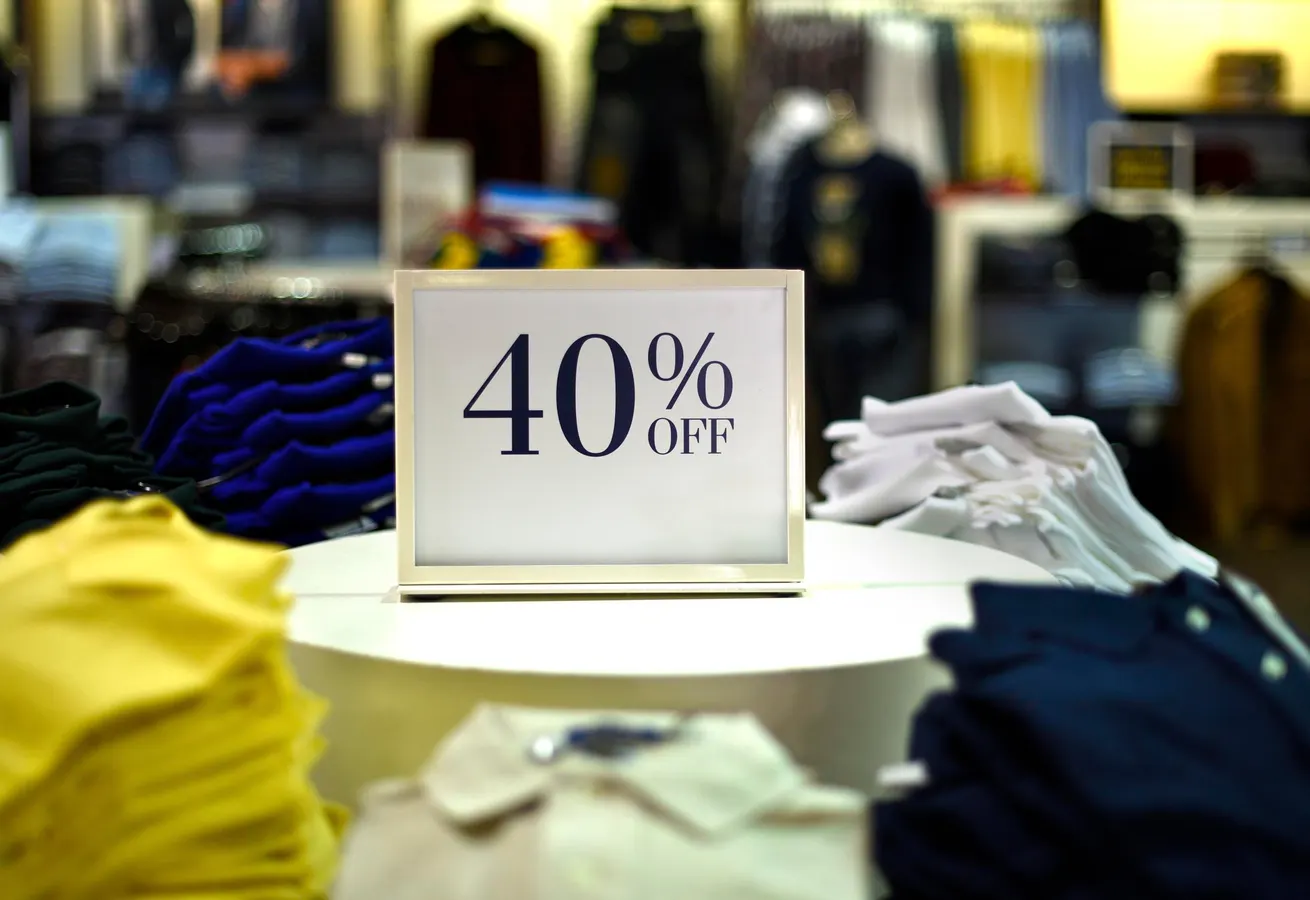
SANTA FE, NM – JANUARY 7, 2020: A table of discounted clothing at a Ralph Lauren outlet store located in a outlet mall in Santa Fe, New Mexico. (Photo by Robert Alexander/Getty Images)
Getty Images
Why Luxury Brands Are Making Cheaper Products For Outlet Stores And What Founders Can Learn
That $500 designer bag you bought for $99 at an outlet? It might never have been worth $500 in the first place.
Most shoppers think outlet stores are where brands send their leftover inventory. Last season’s collections, products that didn’t sell, or merchandise they’re trying to get rid of.
But that’s not how many outlets work anymore.
In June 2026, Consumers’ Checkbook published an investigation of outlet stores from 40 major brands, including Coach, J.Crew and Banana Republic.
What they found was surprising. More than half the merchandise they examined wasn’t leftover inventory at all. It was manufactured specifically for outlet stores.
Brands have essentially created an entirely separate business around customers who want the brand name but can’t afford regular prices.
And there are three reasons this works so well.
1. They Created a Low-Cost Option
Here’s something most shoppers don’t realize. The dress you’re buying at Banana Republic Factory might not be the same dress sold at Banana Republic for twice the price.
Consumers’ Checkbook found that Banana Republic Factory used synthetic linen blends where comparable mainline dresses used pure linen. Cole Haan outlet shoes had rubber soles instead of leather.
These aren’t necessarily bad products. They’re simply made differently to hit a lower price.
And that’s an important distinction.
For founders: If you want to reach customers with smaller budgets, you don’t necessarily have to discount your existing products.
You can create a simpler version.
A furniture company could use less expensive materials. A software company could offer fewer features.
The idea is to figure out what customers are willing to give up in exchange for a lower price, without removing what makes the product valuable to them.
2. They Turned Leftover Inventory Into An Entire Business
Think about how outlets originally worked.
Brands had extra merchandise they couldn’t sell, so they sent it to outlets at a discount.
The problem was that they never knew exactly how much inventory they’d have available.
Now, instead of waiting to see what’s left over, brands manufacture products specifically for outlet customers.
They can plan their collections, production and inventory around what those customers actually buy.
That’s a completely different business model.
For founders: When you identify consistent customer demand, you can build a predictable business around it instead of relying on occasional opportunities.
That’s what these brands did.
3. They Found A Whole New Customer Without Lowering Their Prices
Someone willing to spend $500 on a handbag isn’t necessarily the same customer shopping for one at $99.
Instead of forcing both customers into the same product line, brands created different products for different budgets.
And that’s the real business strategy here.
They can reach more customers without constantly discounting their premium products.
For founders: Think about how you could serve customers who want what you offer but can’t afford your current prices.
If you’re a consultant, maybe you offer expensive one-on-one advisory services alongside a lower-priced group program.
If you’re a fitness coach, you could offer private training and group classes.
You’re not selling the exact same thing for less. You’re creating a different offer for a different customer.
Keep This In Mind
Creating a cheaper product for a different customer is a smart way to expand a business. But making customers believe they’re getting something they’re not can damage the very brand you’ve worked to build.
The bigger takeaway is that you don’t always need more customers for the same product.
Sometimes you can find an entirely new market by changing what you sell, how you make it and what you charge.
That’s how brands turned what used to be a place for leftover merchandise into a multibillion-dollar retail business.