
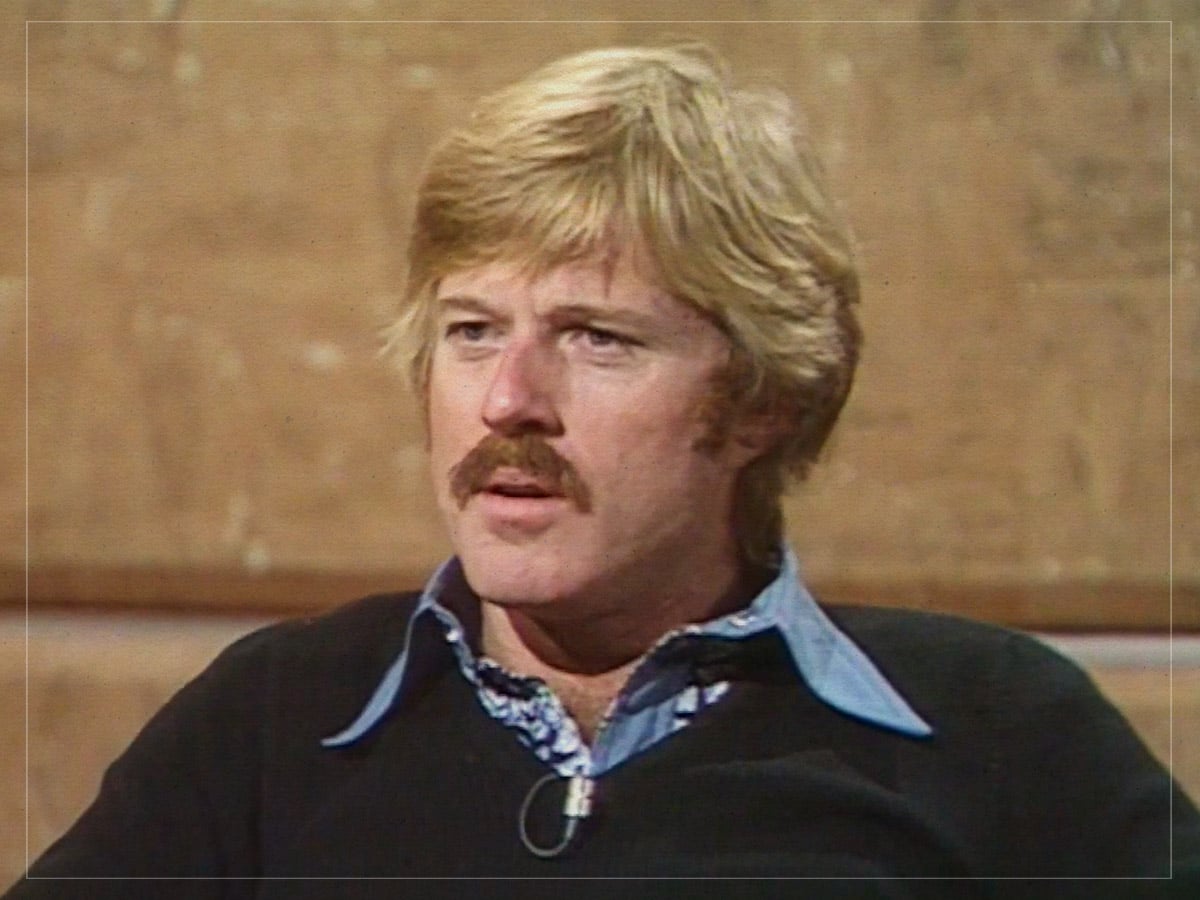
Credit: Far Out / YouTube Still
Sat 17 October 2026 17:45, UK
If anyone could get a film made, it was Robert Redford. Becoming a Hollywood star of the 1960s and beyond, he’d soon add another title to his repertoire – the ultimate champion of independent filmmaking.
Redford would establish the Sundance Film Festival a few years after launching the Sundance Institute in 1981, which would help to nurture low-budget and indie filmmaking by giving directors access to mentoring, funding, and resources. The festival would soon become one of the most important institutions in Hollywood, allowing movies like Sex, Lies and Videotape – which kickstarted the ‘Indiewood’ boom of the ‘90s – to make a major splash.
The actor was a massive player in helping indie filmmaking to prosper in the face of intense studio-bound domination in Hollywood during the ‘80s. Following the success of Star Wars in the late ‘70s – as well as the failure of the ambitious Heaven’s Gate in 1980 – the industry was heading back to the days of tight studio control, and Redford ensured that interesting filmmakers were still able to have their voices heard.
His determination to get movies made was surely influenced by his struggle to bring the movie Jeremiah Johnson to life, which faced setbacks from producers who weren’t sure that the film would be a success. Redford wasn’t going to give up that easily, though, and against all odds, he starred in the film, which was directed by Sydney Pollack.
“For Jeremiah Johnson, nobody wanted to make that film. I went to Sydney Pollack, and I said, ‘Sydney, I live in the mountains, and I would like to make a film about a person that had to exist in the mountains and survive in the mountains,’” Redford told Vanity Fair.
It wasn’t easy, but Redford knew that he could get the movie made on a small budget – that’s what he’d come to be so good at the following decade, anyway – so he persevered and proved the studio wrong.
“We made the film. Very proud of it. We made it for $3 million. The studio said, ‘We don’t think we can make it for under five.’ We said, ‘We think we can.’ They didn’t want to do it,” he explained.
Further reading: Cutting Room Floor
The issue was that the studio was worried that the movie just wouldn’t sell, even with Redford in the lead as the iconic mountain man (inspired by the fact that the actor was actually living in the mountains at the time). “They said, ‘We don’t think we can sell it with you in the beard and the traps and all, we don’t think we can sell that,’” Redford revealed.
“When I was over there, the studio came and said, ‘Hey, we really like this film. It’s different.’ We were thinking, ‘Well, great.’ And they said, ‘Well, that’s our problem.’ We said, ‘What do you mean?’ They said, ‘We don’t know how to sell it. We don’t know how to market it.’ I said, ‘Well, can’t you market it as something different?’ ‘No, you don’t understand the business.’ Three and a half years it sat on the shelf without being released.”
How ironic that Redford would be told that he didn’t understand “the business.” A decade later, the actor was one of the leading figures in the world of independent filmmaking and distribution, changing Hollywood forever with Sundance.
