
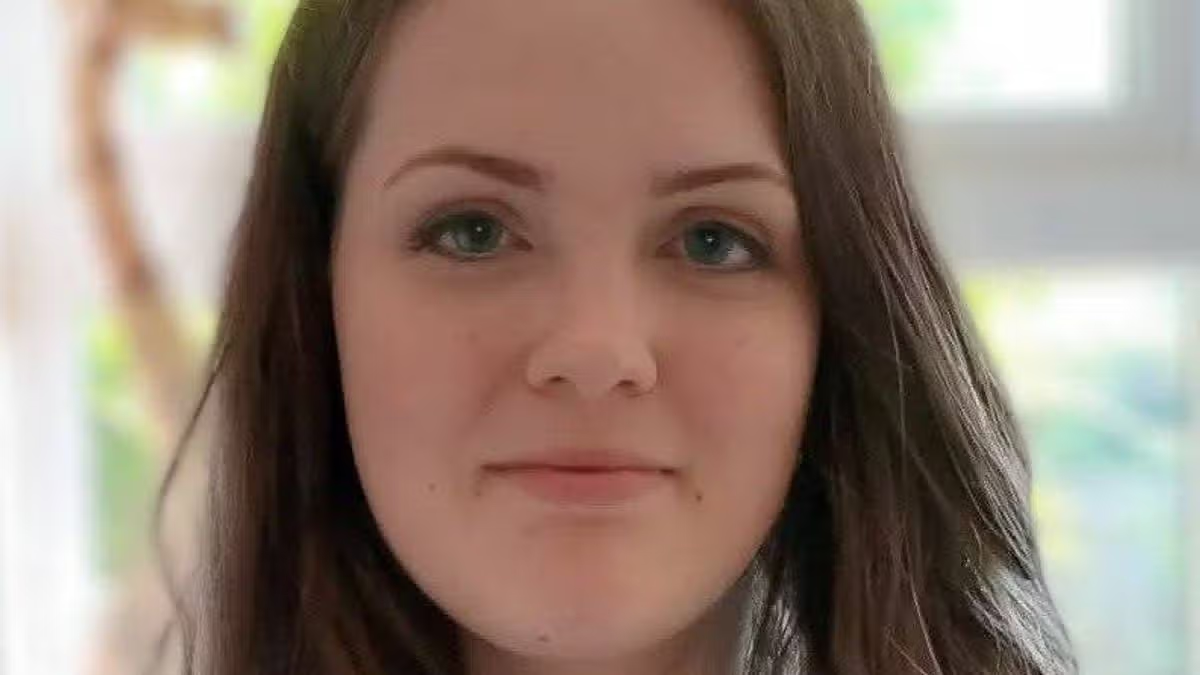
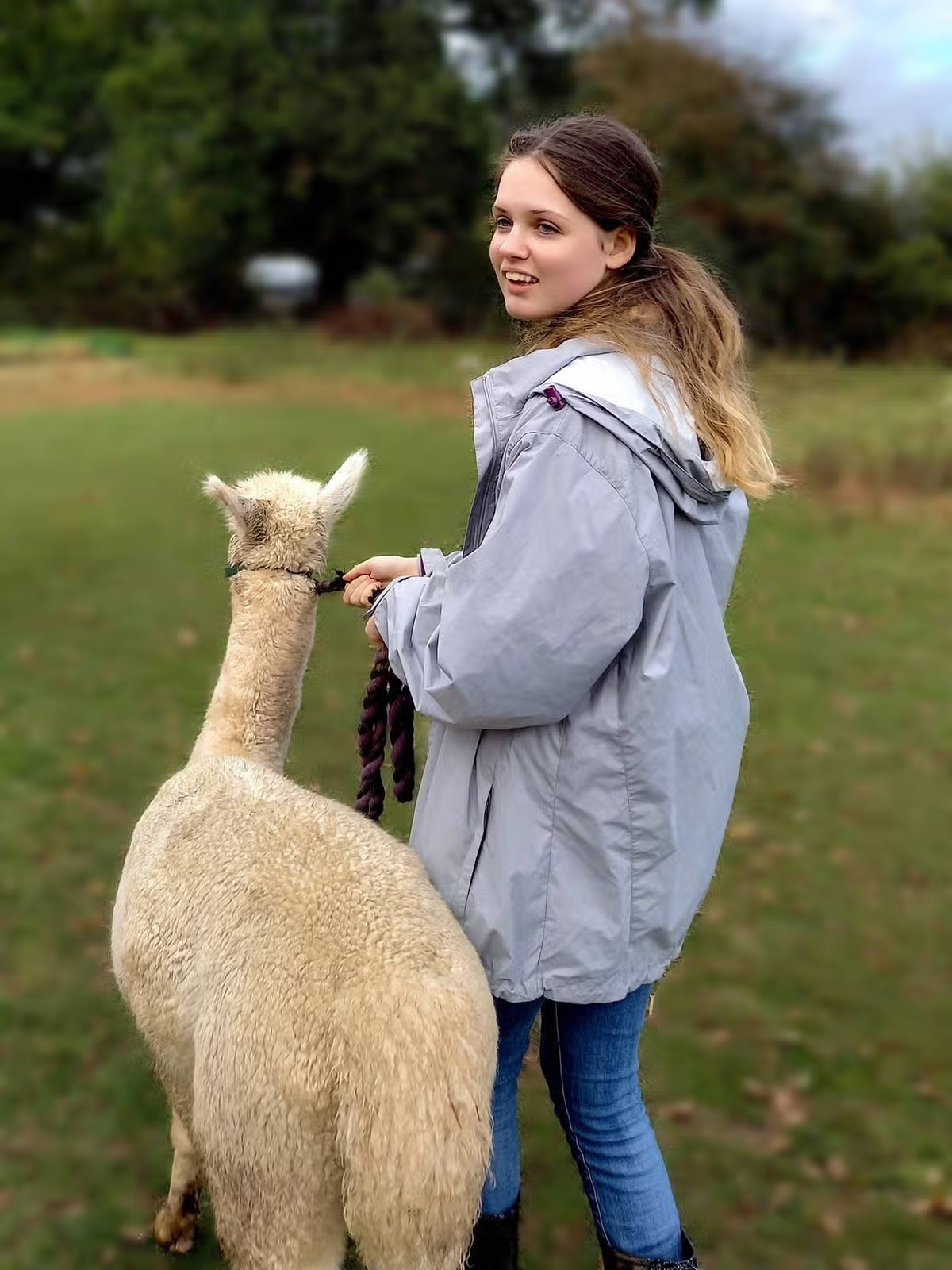
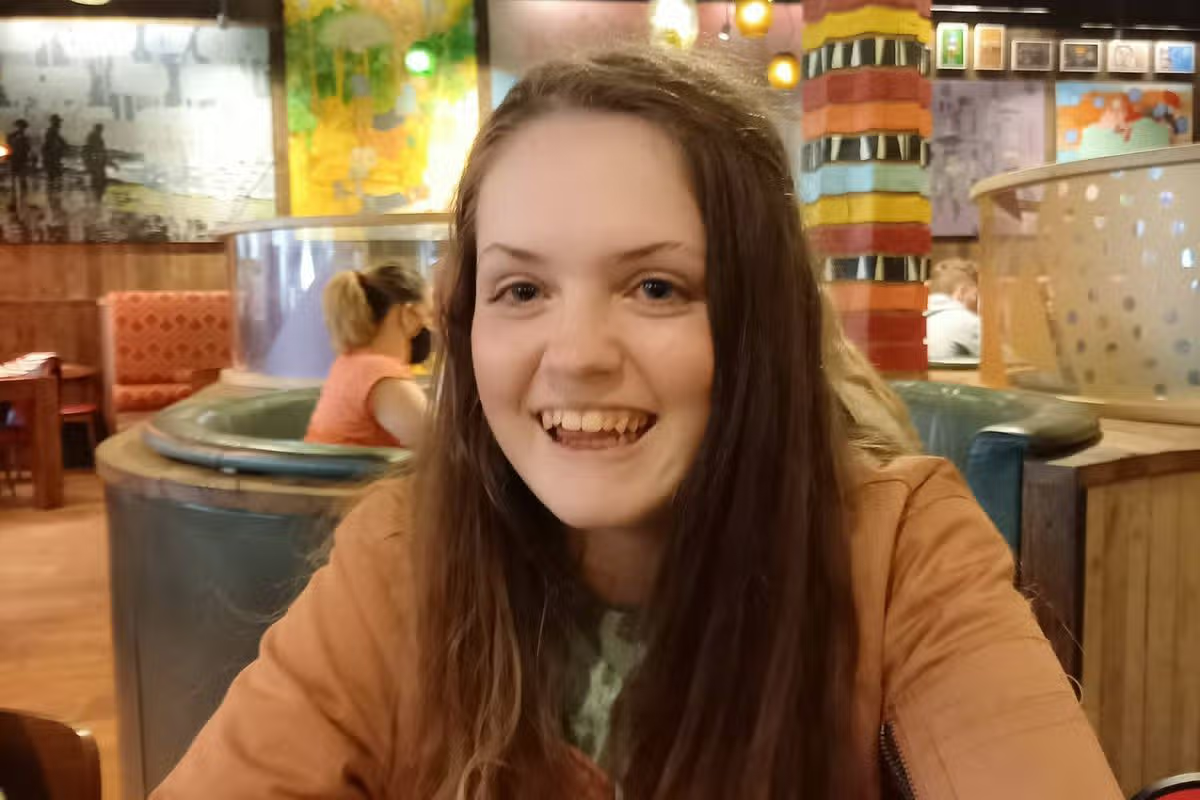
A 19-year-old woman from Warwickshire died from a rare, aggressive cancer after months of delays in diagnosis, prompting her mother to call for greater awareness to help other young patients.
Liberty York was repeatedly told it was “highly unlikely” she had cancer, as her symptoms were continually misdiagnosed as conditions such as mastitis and an abscess.
She endured months of medical appointments before doctors eventually identified she had angiosarcoma — an aggressive soft-tissue cancer — along with a 10lbs tumour in her chest. By this point, the cancer had already spread to her lymph nodes, yet there were no available beds at a specialist hospital for her to begin treatment.
Despite subsequently undergoing surgery and chemotherapy, Liberty tragically passed away in the early hours of 1 June last year, just two days after celebrating her 19th birthday.
Her heartbroken mother, Hannah York, 41, believes her daughter was never given a “fighting chance”, as a new campaign launches to prevent young cancer patients from being overlooked.
Hannah, from Stratford-upon-Avon, Warwickshire, said: “I’m not a medical expert but it just baffles me how they can have something so huge and don’t rule out the most serious thing.”
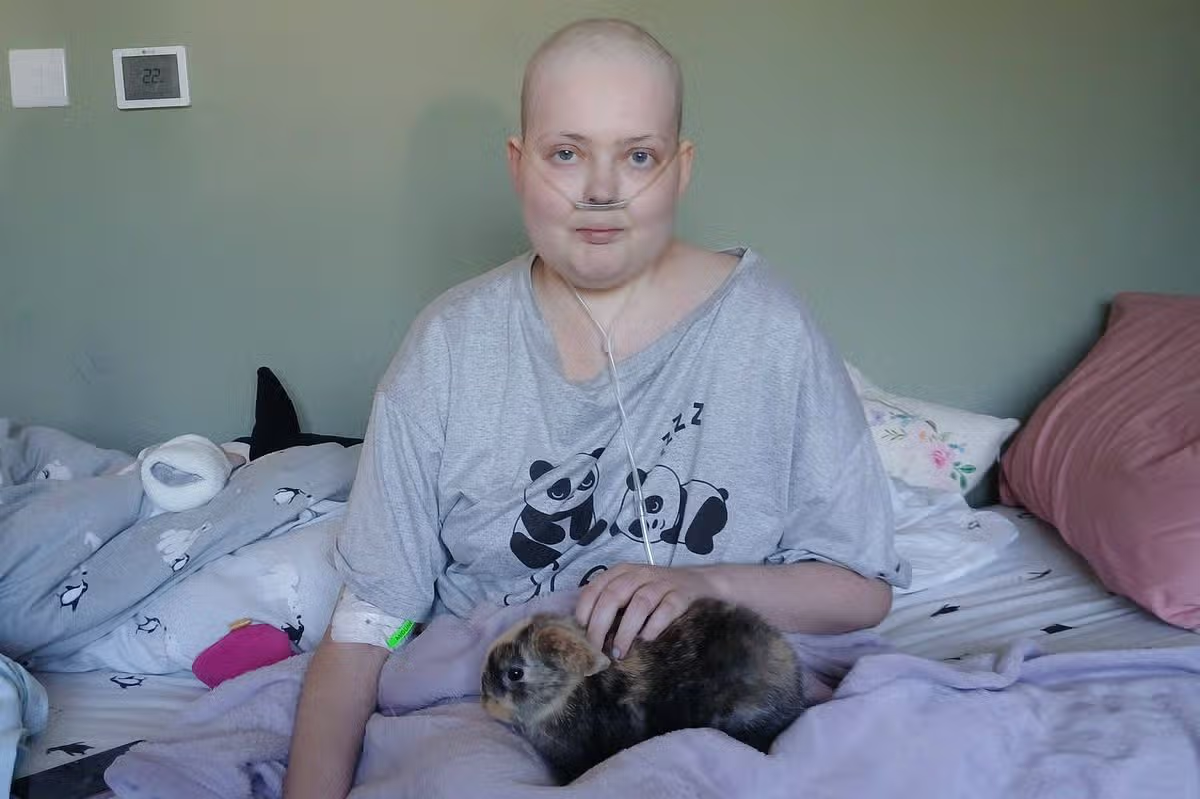
She added: “I think the thing for me is that I always feel some guilt for trusting, for not pushing more.
“When your child takes a long time to be diagnosed, I think there will always be a part of you that wonders, ‘Why didn’t I keep pushing?'”.
“Throughout Liberty’s cancer journey, there often didn’t feel like much hope – her cancer was rare, underfunded and under-researched.”
Liberty first began feeling unwell in May 2024, experiencing fatigue and nausea, followed by unexplained breast symptoms. Hannah recalled: “The GP suspected it might be hormonal and wanted further investigation, so we had to wait for an appointment.”
Liberty was subsequently diagnosed with Addison’s disease, but when her left breast began to swell, GPs attributed it to mastitis and prescribed antibiotics. Despite five separate visits to her doctor, breast care specialists eventually became involved, yet still maintained it was an abscess.
Hannah said: “They said it was highly unlikely to be cancer.”
It was not until 21 August 2024 — three months after symptoms first emerged — that a biopsy finally revealed the devastating truth. With no hospital beds available, Liberty was sent home in tremendous pain, unable to walk more than 10 metres, her breast swollen to ten times its normal size.
Hannah said: “She was in unbearable pain,”.
“We hadn’t been given any medication. As a mother I felt so helpless.”
Following an emergency visit to A&E, Liberty was finally admitted and underwent surgery on 10 September. Surgeons removed the tumour, her breast, surrounding tissue down to the ribcage, and all lymph nodes in her left armpit.
Liberty subsequently contracted pneumonia, developed blood clots, and by November was given the devastating news that the cancer had spread to her left lung and was now incurable. She began palliative chemotherapy, but by May 2025 the cancer had spread further, with a new lump appearing near her surgical scar.
Liberty made the heartbreaking decision to cease all treatment and returned home for end-of-life care.
Hannah said: “She slept for most of her birthday on 30th May.
“But she had requested a beautiful Bridgerton themed celebration.
“The only time she asked me ‘why’, was when she knew she was leaving hospital to come home to die.
“This was something I couldn’t answer, because it didn’t make sense.
“Liberty passed away in the early hours of 1st June, peacefully in her sleep at home.”
Medical professionals have issued new guidance following concerns that youngsters with soft tissue sarcoma can face lengthy delays in receiving an accurate diagnosis, as symptoms are frequently confused with more common ailments.
Hannah continued: “Liberty’s type of sarcoma was a particularly aggressive sarcoma and, after she was operated on, it had spread to her lungs in just six weeks.
“The difference between days and weeks to diagnosis is so important with sarcoma- she didn’t get a fighting chance.
“I want my awareness work to ensure that some good comes from Liberty’s death and to help other families.”
“Delays can have serious consequences’
Dr Sharna Shanmugavadivel, a paediatric emergency medicine doctor and the lead for CCLG: The Children and Young People’s Cancer Association’s Child Cancer Smart campaign, said: “Time to diagnosis for soft tissue sarcoma has been shown to have a significant, independent association with overall survival in children, yet it is one of the longest among all childhood cancers.
“One of the major pitfalls in diagnosing soft tissue sarcoma in children is recognising when something doesn’t fit the expected picture.
“We are seeing that a lump may be attributed to an injury despite no clear history of trauma, mistaken for a lipoma or bruise, or continue to be diagnosed an infection when it has not responded to antibiotics.
“Recognising that it has not improved as expected or is getting worse and investigating further is crucial.
“Delays in recognising that something is not right can have serious consequences, allowing a cancer to remain undiagnosed for months or, in some cases, even years.
“Longer delays in diagnosis can lead to poorer outcomes – meaning children are being diagnosed with more advanced disease, requiring more intensive treatment, and in some cases, limb removal or surgery.
“We have created these guidelines because reducing these avoidable delays has the potential to reduce treatment-related harm and save the lives of children across the UK.”
Keep up with the latest news from across Warwickshire with our FREE email newsletter.