
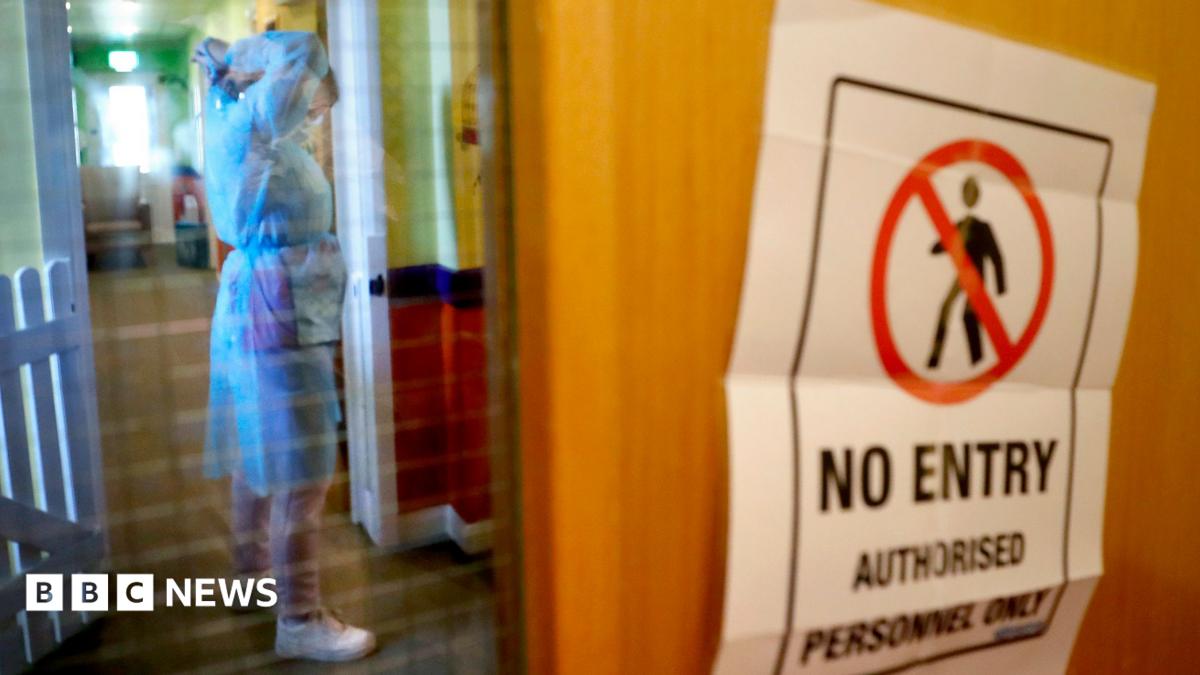
Recommendations ‘must be acted upon now’ before next pandemic, Baroness Hallett sayspublished at 12:42 BST
12:42 BST
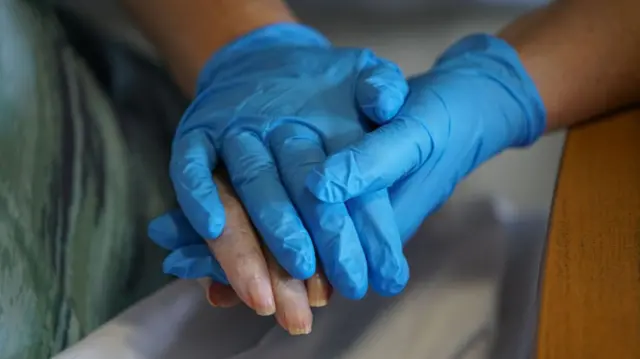 Image source, Getty Images
Barring families and loved ones from visiting people in care homes had “far reaching and devastating consequences”, chair inquiry Baroness Hallett continues.
The visits provide “essential human contact, routine, and stability,” she explains, adding that “profound isolation” and abandonment felt by residents caused “immense emotional harm”.
“Most distressingly, some people were not permitted to be with their dying loved ones,” she adds.
On DNACPR notices, which are orders to not resuscitate someone, Hallett says here were “concerns these notices were improperly imposed on groups of people” such as those that are older or had learning disabilities.
She says the discussions on DNACPRs were “too often rushed or non-existent”. A mandatory end of life training is needed, she adds.
On the workforce in care homes, Hallett says carers felt they were “overlooked and undervalued”,
There are around 5.8m unpaid carers in UK – during pandemic they were “forced to provide complex care, for longer hours, with little or no respite”.
Government actions to protect workers and users of adult social care “came too late”, she adds.
This was the result of failing to plan, and underlines why the recommendations in the report “must be acted upon now before the next pandemic strikes,” she concludes.
We’ll bring you more from the report shortly – stick with us.