
Credit: Far Out / Island Records
October 22nd, 2026 · 1:00am BST
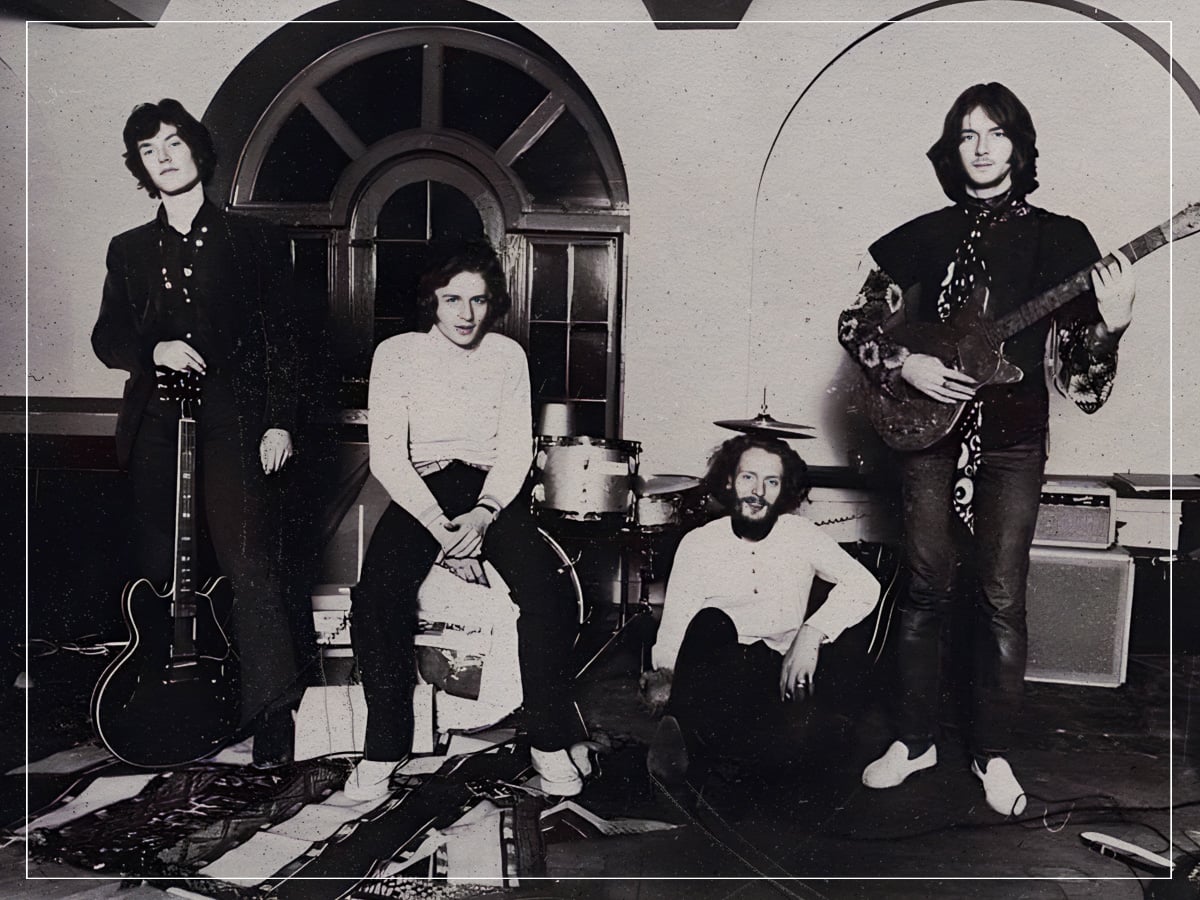
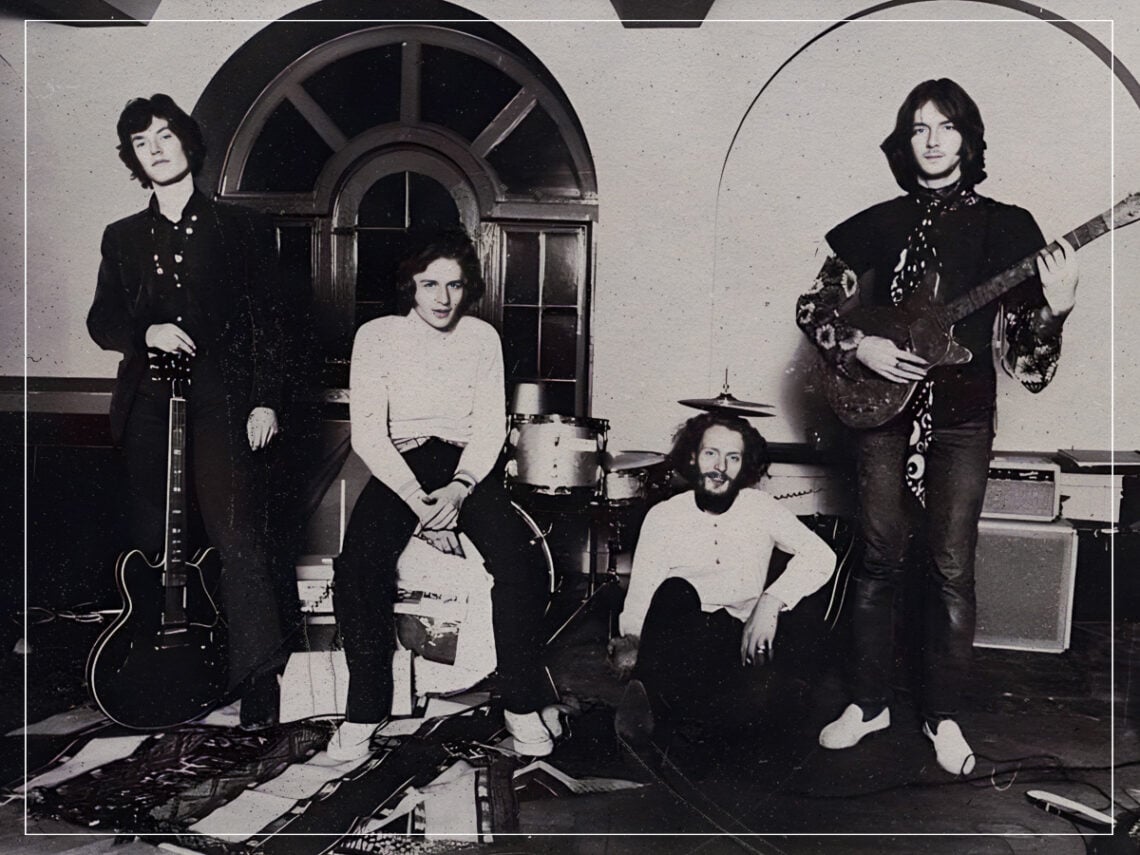
Having just spent the previous year with the top-selling rock band on Earth, ex-Cream bandmates Eric Clapton and Ginger Baker were doing a lot of the heavy lifting when it came to the ‘super’ part of Blind Faith’s supergroup marketing in 1969.
Hardly flying under the radar, however, was the 21-year-old wunderkind Steve Winwood, the lead vocalist and multi-instrumentalist who’d first made a name for himself in the Spencer Davis Group, before then forming the band Traffic, which put their first two albums in the UK Top 20. Both Cream and Traffic had imploded under the weight of their own popularity, or at least that’s how Clapton and Winwood were explaining it back then.
“Every group I’ve been in got to a critical point where it had to get better or break up,” Clapton told the Oakland Tribune in ‘69, “It was always a painful time. I’m guilty of moral cowardice. I always left. Cream was like fire; it burned up quickly,” while Winwood chimed in, “Traffic just got to a point where we couldn’t produce anything. Everyone was waiting for me to break it up, so I broke it up”.
Somewhat ironically, Blind Faith would famously break up, as well, in one-and-done fashion, as Winwood reformed Traffic a year later and Clapton put together Derek and the Dominos. For one brief moment in time, though, during the same summer immortalised by Woodstock, the moon landing, and an eventual Bryan Adams song, Blind Faith were the biggest thing in rock.
The supergroup’s one and only LP, released smack dab in between Apollo 11 and the Woodstock festival, on August 9th, 1969, soon climbed to number one in both the UK and US, and arguably created more buzz than any subsequent supergroup release in rock history. Clapton talked about how this new band had solved all the ego-related problems of Cream (which presumably just meant Jack Bruce, since the other two guys were still in this band), and with Winwood and bassist Ric Grech from the band Family, there was now a healthy “instinct of mutual attraction. We all get something from each other”.
Of course, when one powerful new entity ascends to the top of the charts, someone else must lose their perch, and in this case, Blind Faith ended a four-week run atop the Billboard 200 Album Chart by a rather esteemed musician who’d recently entered a new phase of his own career.
Throughout the late summer of ‘69, when the charts were supposed to be focused on psych rock and hippie musicals (specifically, Hair), an old voice from the glory days of country music and Sun Records suddenly ruled the roost. This was, of course, the incomparable Johnny Cash, whose second live prison concert recording, At San Quentin, reached number one on August 23rd and stayed there until Blind Faith gave him the bump on September 20th.
Further reading: From The Vault
Cash’s album had partially excelled on the established reputation of its predecessor, 1968’s At Folsom Prison and got a significant extra boost from the breakout success of the single ‘A Boy Named Sue’, a lyric by Shel Silverstein that he had decided to record for the concert. Speaking to the Independent in 1969, he discussed the song: “My brother-in-law had brought the song to me, then Shel came out and put it on tape for me. I liked it right away. But I didn’t even know the song when I did it at San Quentin. I had it written on a piece of paper, and I read it off.”
The San Quentin version of ‘A Boy Named Sue’ reached number two on the Billboard singles chart and number four on the UK charts; not bad for a song recorded by a guy who basically performed it for the first time off the cuff in front of a tough audience in a small prison auditorium By comparison, the guys in Blind Faith were being forced to book huge concert venues like Hyde Park in London, where 150,000 fans turned out, or Madison Square Garden in New York, where 15,000 people watched them slowly move in and out of audibility on a clunkily rotating stage.
“It’s limiting in those places,” Winwood confessed at the time to the LA Herald Examiner, “When I was with Traffic, we never played football stadiums or boxing arenas”.
The evidence was already suggesting that he was feeling some regrets about signing up with a supergroup; Blind Faith was officially doomed.
