
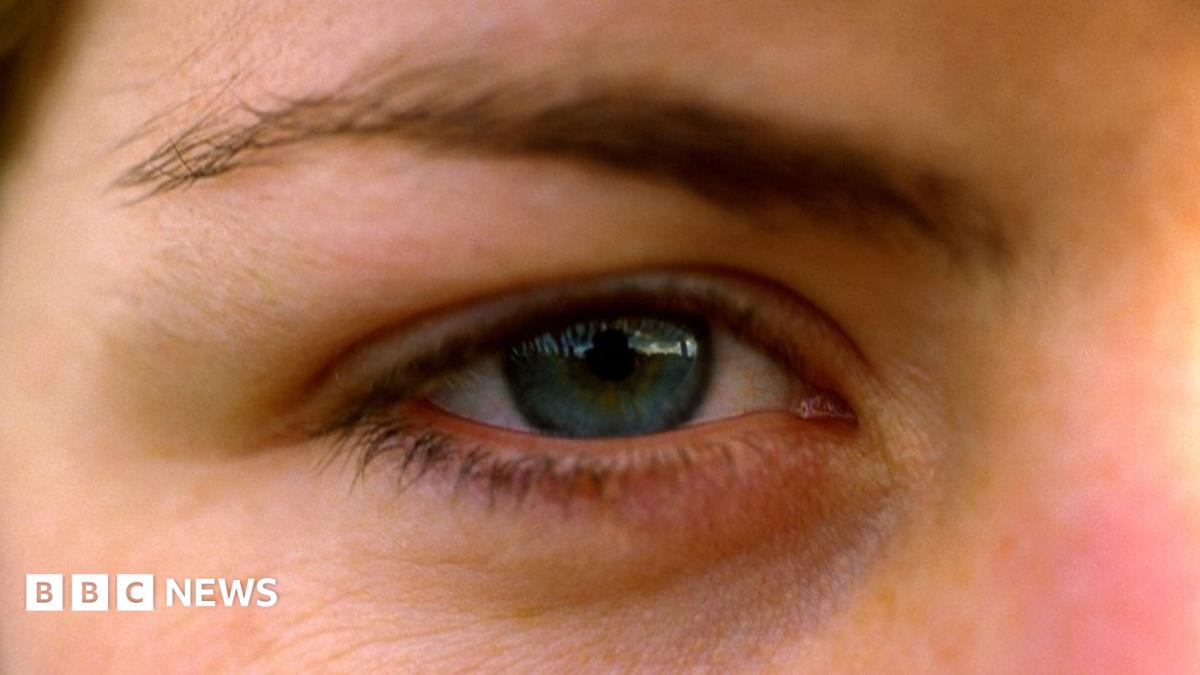
Researchers say their findings highlight the vital role facial movements play in human communication, alongside language and gestures.
Dr Jonas Nölle, the postdoctoral researcher who led the study, said: “When interpreting speech, listeners draw on more than just the words and voice.
“By experimentally manipulating facial signals while holding verbal content constant, our study shows that even when the words and vocal cues remain the same, changing the speaker’s facial movements can alter how confident or doubtful their answers appear.”
Prof Rachael Jack, honorary senior research fellow at the university, and corresponding author of the study, said: “Across cultures, brow raising and eye closure were associated with increased perceived confidence, whereas brow lowering and eye tightening were associated with doubt.”
The researchers say the findings build on earlier observations of facial signals in conversation by showing that such movements do not simply accompany speech but actively shape how it is understood.
So while confidence cannot be reduced to a well-timed eyebrow raise, the study suggests listeners may be picking up far more from a speaker’s face than either side realises.