
The decision is a blow to Communities for Coul, which had argued that the development could generate between 270 and 400 full-time jobs and contribute between £8 million and £12m a year to the economy.
Read more:
However, the economic arguments failed to persuade the reporters that the development should go ahead. Their report concluded: “Those benefits are not of national importance and do not clearly outweigh the significant adverse effects identified in relation to nationally important natural heritage interests.”
The ruling represents a significant setback for efforts to establish another internationally-focused golf development in an area already home to some of Scotland’s best-known courses.
Supporters had argued that the project could create employment, attract additional visitors and investment, and help address the loss of working-age people from the area.
Read more:
Gordon Sutherland, a director of Communities for Coul, described the decision as “a real blow for our area’s economy and its unique environment and a slap in the face for local democracy”. He said the proposals offered an opportunity to protect and manage Coul Links while bringing economic benefits and jobs to the area.
Landowner Edward Abel Smith said he was “absolutely gutted” by the outcome and maintained that the course would have been “transformational for the area”.
The revised development comprised an 18-hole course, practice facilities, parking and the conversion of existing buildings to provide a clubhouse and professional shop, but its location presented a formidable planning obstacle.
Read more:
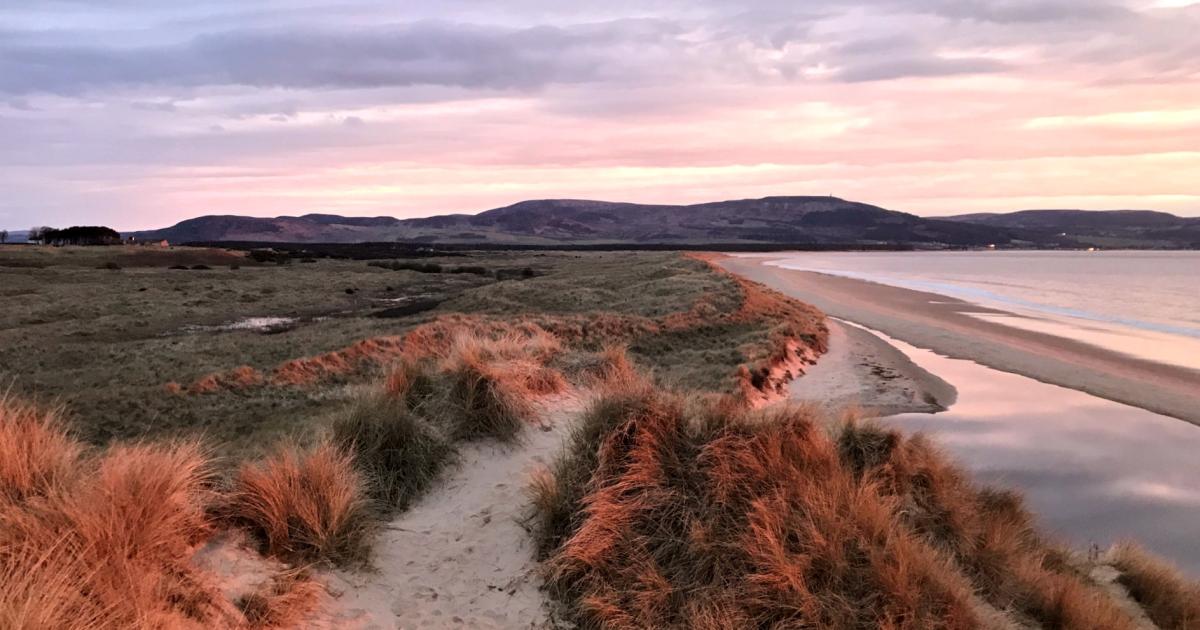
Coul Links forms part of the Loch Fleet Site of Special Scientific Interest, the Dornoch Firth and Loch Fleet Special Protection Area and the Dornoch Firth and Loch Fleet Ramsar wetland site.
The government reporters described the dune system as being of “exceptional importance”, even by the standards of a Site of Special Scientific Interest, and said its combination of habitats could be unparalleled in Scotland. They concluded that the development’s overall environmental impact would remain significantly adverse even after taking account of proposed measures to manage the site.
The decision brings renewed focus to the balance between economic development and environmental protection in rural communities seeking to attract private investment.
Read more:
It also marks another defeat for attempts to develop Coul Links.
Scottish ministers rejected an earlier proposal for a golf course on the site in February 2020. A revised application was subsequently brought forward and backed by Highland councillors before being called in by ministers for determination.
The latest refusal could prove decisive, with Communities for Coul indicating that another attempt to develop the site is unlikely.