
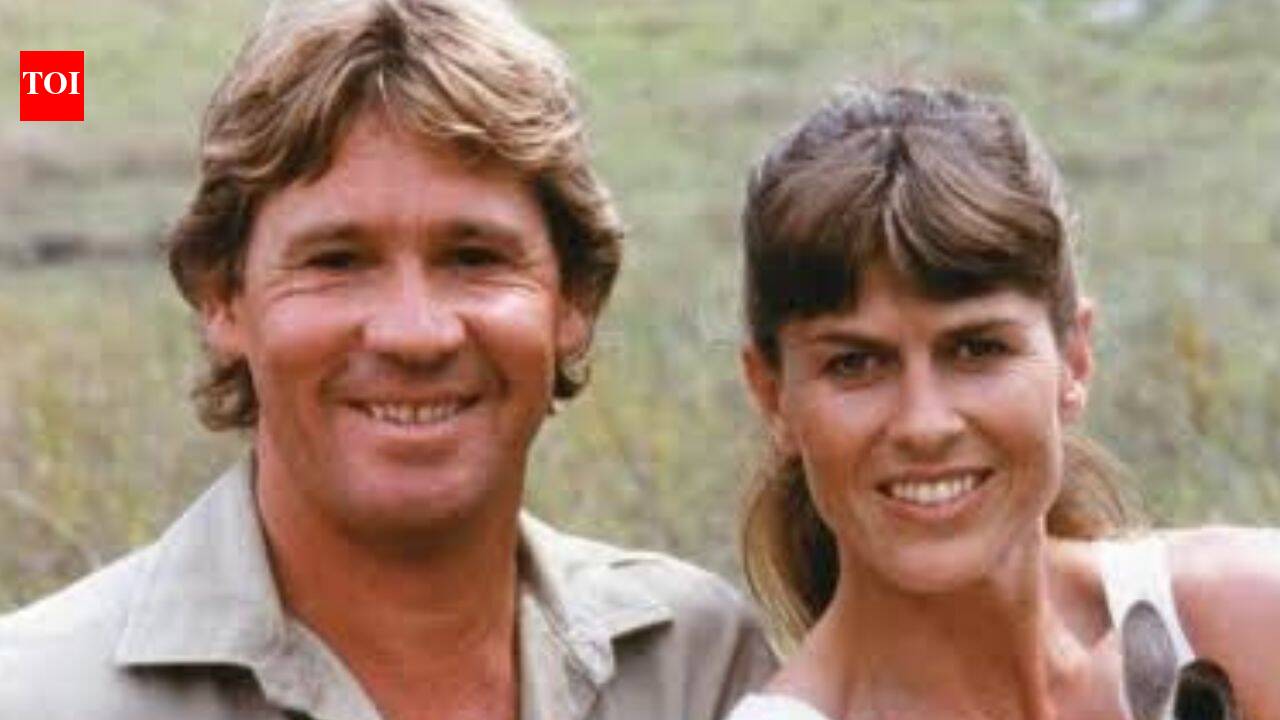
 An old avocado packing shed in Beerwah, Queensland, Australia, became the starting point for a wildlife rescue initiative that would go on to help more than 136,000 animals. In 2004, wildlife conservationists, Steve Irwin and his wife, Terri Irwin, began their work of turning the building into a home for wildlife called the Australia Zoo Wildlife Hospital. They made this place in the memory of Steve’s mother, Lyn Irwin, who devoted her life to taking care of animals that needed help.
Steve Irwin and Terri Irwin began the work on the wildlife hospital in 2004
Steve and Terri began their work on the wildlife hospital in the year 2004, with the help of an old avocado packing shed, to turn it into the home for wildlife that they imagined. The wildlife hospital was made in the memory of Lyn Irwin who took care of the animals.
Lyn Irwin’s wildlife rescue work inspired Steve Irwin’s conservation mission
The roots of the hospital can be traced to Lyn Irwin, Steve’s mother, who was known for rescuing and caring for injured and orphaned wildlife.Lyn’s commitment to rehabilitating animals helped shape the family’s conservation philosophy. She cared for wildlife that needed assistance and sought to return rehabilitated animals to their natural habitats whenever possible. Following her death in 2000, the idea of establishing a dedicated wildlife hospital became a way to continue her work and preserve her contribution to animal welfare.
Australia Zoo Wildlife Hospital officially opened in 2008
Although Steve and Terri began the project in 2004, the purpose-built Australia Zoo Wildlife Hospital officially opened on November 15, 2008. The opening took place on Steve Irwin Day, an annual occasion dedicated to celebrating his life and conservation work.The new facility expanded the original vision by providing specialised medical infrastructure for wildlife. Its development marked an important step in turning the family’s long-standing commitment to animal rescue into a dedicated veterinary operation. The hospital was designed to treat injured, sick and orphaned native animals that needed professional care.
Steve Irwin’s wildlife hospital has treated more than 136,000 animals
The Australia Zoo Wildlife Hospital has grown into a major centre for treating native Australian wildlife. Wildlife Warriors, the conservation organisation associated with Australia Zoo, reported more than 136,000 animal admissions over the hospital’s first 20 years, through 2024.The patients include birds, possums, gliders, reptiles, koalas and bats, among other species. According to the organisation’s published figures for 2004–2024, birds accounted for 43% of admissions, followed by possums and gliders at 15%, reptiles at 12%, koalas at 9% and bats at 5%.These numbers demonstrate the range of animals that depend on the facility. Each case may require a different approach, from treating physical injuries to providing specialised care before an animal can be considered for release into the wild.
Steve Irwin’s wildlife hospital treats animals injured by cars and habitat loss
Native Australian animals face several threats, including road accidents, attacks by domestic animals and habitat destruction. These dangers can leave wildlife with serious injuries or separated from their mothers, making professional treatment and rehabilitation necessary.By providing specialised treatment, the facility also supports broader wildlife rescue efforts in Queensland. Its work demonstrates how veterinary care can form an important part of conservation, particularly for species whose habitats increasingly overlap with human settlements and transport networks.
Steve Irwin’s Australia Zoo Wildlife Hospital features specialised medical facilities
The purpose-built hospital includes facilities such as a surgical theatre, an X-ray room, intensive care units and a pathology laboratory. These resources allow veterinary professionals to examine animals, diagnose illnesses and injuries, and provide appropriate treatment.Wildlife Warriors states that the hospital treats native wildlife without charging the public for the animals’ care. The facility’s role is therefore not limited to treating animals brought in by Australia Zoo visitors; it also serves the wider wildlife rescue network.The hospital’s continued operation depends on veterinary expertise, equipment and the resources needed to care for a steady flow of patients. Its growth from a modest shed into a specialised facility reflects the increasing scale of its wildlife rehabilitation work.
Steve Irwin’s conservation legacy continues through Terri, Bindi and Robert Irwin
Steve Irwin became internationally recognised through The Crocodile Hunter, the wildlife television series that introduced audiences worldwide to his energetic style and enthusiasm for animals. Steve passed away on September 4, 2006, after being struck by a stingray while filming in Australia’s Great Barrier Reef. He did not live to see the opening of the purpose-built wildlife hospital in 2008. However, his conservation work has continued through his wife, Terri, and their children, Bindi and Robert, who remain involved with Australia Zoo and wildlife education.