
Credit: Far Out / Eagles / American Talent International / Capitol Records
October 22nd, 2026 · 10:00pm BST
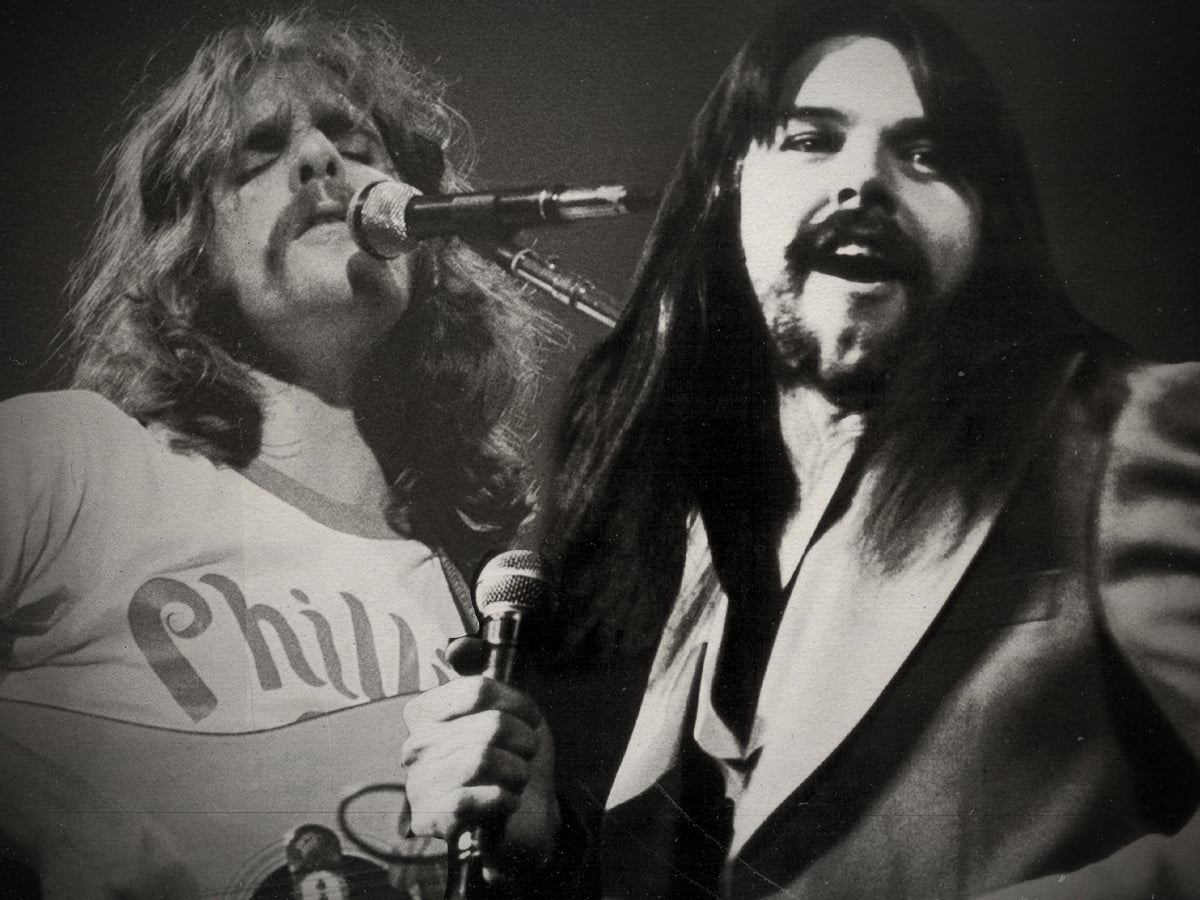
The Eagles were never a band short on ambition, but their pursuit of musical perfection could sometimes make them seem a little too serious for their own good. Fortunately, they had Glenn Frey, a musician who understood that making great rock music should also be a lot of fun.
He was still one of the leaders of the group alongside Don Henley, but you could sense that he had a lot more fun making music and strumming away on his guitar than worrying about what the next move needed to be every time they performed. It was always about still having fun, and that was what he learned even when he was fleshing out his first songs in Detroit.
Because as much as people like to think of the California rock band as being born in Laurel Canyon, Frey was already a transplant before he even joined Linda Ronstadt’s group. He knew that his calling was to move out West, and even though his mother balked at his first chance of going out on the road and becoming a rock star, there were so many more opportunities waiting for him once he met JD Souther.
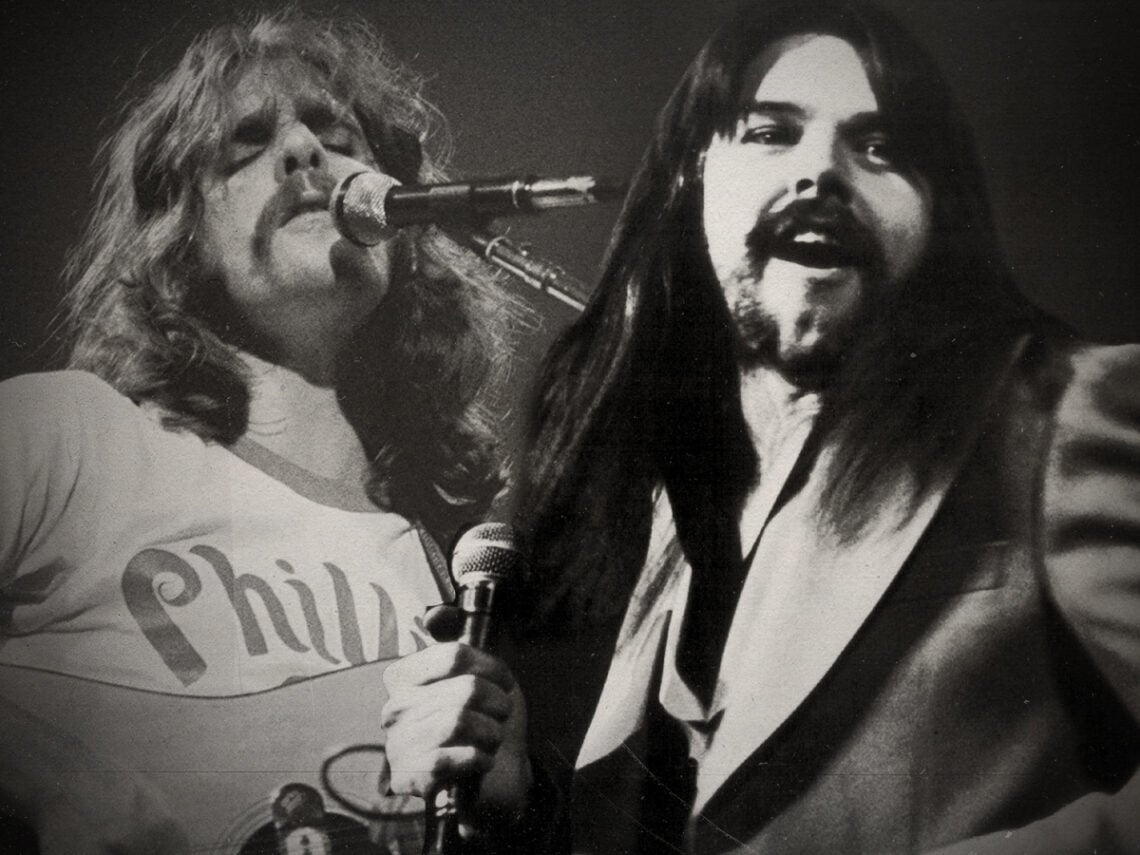
They were inseparable when they started woodshedding their tunes together, but Frey was still fairly green when it came to making tunes of his own. He was already trying his best to follow in the footsteps of what he heard out of bands like The Byrds, but he was also incredibly thankful to have the wisdom of Bob Seger working alongside him whenever he played a number of his tunes.
Seger was like the older brother that he never had, and since the future Eagle had the good fortune of singing on ‘Ramblin’ Gamblin’ Man’, he was always willing to do whatever he could to return the favour to the heartland rocker. And while Frey talked up his old friend in interviews from time to time, he also knew that the time had come for him to start hashing things out with him again when the band started work on The Long Run.
By that time, though, bringing in someone else to help finish their songs was almost done out of necessity. So many of the sessions for their 1979 album were among the worst that the band had ever worked on, but after Seger came back to the fold to tighten up the song ‘Heartache Tonight’, they were able to notch up at least one more hit before they eventually bottomed out in the 1980s.
Frey had the skeleton of the song already intact, but it just took Seger’s chorus to make the whole thing sound great, saying, “I was showing it to Seger, and we were jammin’ – I think we were jammin’ on electric guitars at LaFontaine – and then he blurted out the chorus. That’s how ‘Heartache’ started. Then Bob disappeared, and JD, Don, and I finished that song up. No heavy lyrics – the song is more of a romp — and that’s what it was intended to be.” That was the one shining light during this time, but they wouldn’t get the chance to enjoy it for very long.
Further reading: From The Vault
Because aside from some of the other shining lights like ‘I Can’t Tell You Why’, The Long Run was practically the band writing their own epitaph, especially when they started taking t the road and trying their best to sell themselves as one of the happiest bands in the world. All camaraderie was out the door at this point, and given how acrimonious it was towards the end, it wasn’t like Frey was looking to kiss and make up with everyone once he left the fold.
He figured that Seger’s career as a solo artist was the right way to go, and while it took years for the band to get back on solid ground, Frey could still rest easy knowing that he paid back his friend. Seger had given him his first big break, and even if the good times didn’t last that long for Frey, he was having a blast doing whatever he could to make his favourite music just like Seger did when he went solo.
