

Want to bookmark your favourite articles and stories to read or reference later? Start your Independent Membership today.
Already a member?
Log in
Twenty years ago, in the spring of 2006, I was diagnosed with breast cancer. By the autumn of that year, it had progressed from Stage 2 to Stage 4, when the cancer metastasised to another part of the body – my bones. There is no Stage 5. I was 49 years old.
I first noticed something when I was on holiday with my family in Burgundy. We were all sharing a rented, somewhat dilapidated, chateau and late one afternoon, I went upstairs to run the taps in one of those old-fashioned, enamelled bathtubs that take ages to fill. Inadvertently I touched my left breast, and there it was: a hardness, a lump just under my nipple. I felt it again, and again the next morning, but somehow, I was not unduly concerned. I resolved to have it checked out after the holidays.
On my return to London, I went to my NHS surgery. The woman doctor did a palpation, said “there’s something there”, and that I should be seen within two weeks. She ticked a form to that effect, which she sent to the hospital I lived closest to, St Mary’s Paddington. When I called a few days later, instead of receiving an appointment within two weeks, I received one within three months. I tried to insist that my GP had advised me to be seen within two weeks. The response was: “You are taking away an early appointment from someone else, someone who needs it more than you.”
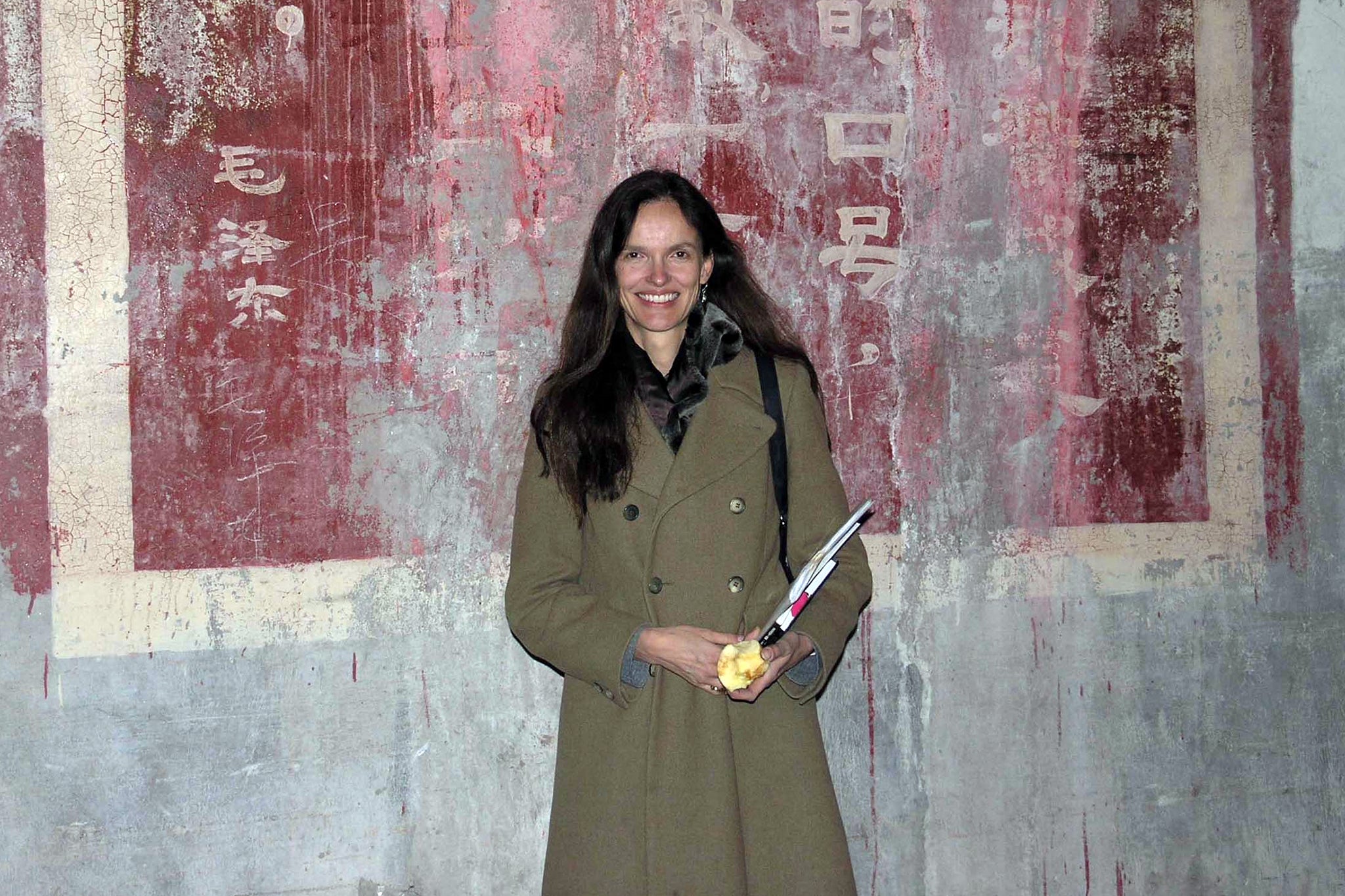 Bettina von Hase in 2005, a year before she received her diagnosis (Bettina Von Hase)
It stung, but I didn’t push back like I normally would. Maybe I was trying to persuade myself there was nothing to worry about? Having made the appointment, I felt that I had already attended to the problem. I went to China for work, running around Beijing and Shanghai, marvelling at the sights and the food; I almost forgot about my lump. My February appointment came around, and I had a scan, ultrasound and a biopsy; a week later I underwent a lumpectomy for further analysis.
I got my results on 3 March. It was a Friday and my appointment was at 2pm. My doctor, Dimitri Hadjiminas, a bespectacled, portly figure with kind eyes, told me in a quiet voice that I had Stage Two Hormone Receptor-Positive Breast Cancer in my left breast. I felt winded, shocked into silence. I was offered an operation 10 days later to remove my breast – a mastectomy – with immediate reconstruction. He talked me through my options, but I couldn’t absorb anything: a fog was descending on my brain. My scalp prickled and felt tight; my body temperature alternated between hot and cold. All I knew with defining clarity was that my life, as it had been, was over.
I would be treated at The Royal Marsden, the top cancer hospital in Britain, the largest teaching hospital for cancer in Europe. The optimism of scientific discovery there galvanised me. I wanted to be in London, near my friends, my business. I needed to integrate the illness into my daily routine, rather than take time out and disappear. On the work front, I had started my own art advisory company, which was finally flourishing. I had worked all hours to make it a success. I couldn’t afford to be ill, or so I thought.
Cancer becomes a full-time job and completely disrupts your plans with endless tests and appointments. I decided to keep working right through my treatment and work turned from life to a lifeline. It gave me a good reason to avoid endless cancer conversations and telephone calls from friends who weren’t close, but simply curious. Cancer taught me a lot about human nature, both good and bad. The most difficult callers were those looking for reassurance that their own lives were in order, but the outpouring of love from my girlfriends felt like a warm shower of affection. Two of them connected me to women who’d had a similar cancer. I had vital conversations with them; they lifted their shirts and showed me their new breasts and their scars.
I needed to integrate the illness into my daily routine, rather than take time out and disappear
I made one decision before my own operation, which gave me great joy. I had seen a bronze sculpture of a female torso sitting on a glass table at my friend Charlotte’s house, and asked about it. “Oh, these breasts are mine,” she laughed, done by an artist, Mike Wade. “I wanted to remember them when they still looked good,” I called Mike two days later, and he came by. He was polite and tender, as if he knew exactly what I was going through. As I write this, his sculpture of me is sitting in front of me, and I feel a sense of gratitude every time I see it.
My operation was scheduled for April 6, 2006. I found myself on a ward with about 12 other women, our beds divided from each other by pale-blue curtains. Surprisingly, I slept well on the eve of my surgery and was woken early and sent to meet my surgeon, Gerald Gui, who prepared me for the operation by drawing a sketch on my chest with a thick black pen: circles, lines and measurements. It was intricate, strangely beautiful.
I had always liked my breasts. They were small, round and pert, untouched by having children, with tiny, round, dark pink nipples. “They are completely symmetrical,” the doctor said. “Most unusual.” For a second, I felt inordinately proud. It was devastating to look at them for the last time intact, before being wheeled into the operating theatre.
On his first post-op visit, Gui told me the tumour’s size was 3.30 cm. I was given a morphine pump in my vein; it’s a Class A drug, as my boyfriend explained: “No wonder you’re flying.” After two days, the pump was removed, and I deteriorated. One of the three tubes attached to drain bottles in my left breast area started leaking blood. I lay for several hours without help. This was the darkest time.
The following day, Gui made his morning visit and told the nurses to make me more comfortable. I will never forget them, in their mid-twenties and thirties, with wisdom and compassion well beyond their years. I had started hallucinating. The walls moved, and colours swirled about in a kaleidoscope. I felt nauseous. The doctors explained that it was a reaction to the general anaesthetic. It lasted for two endless days.
There were many reminders that the mastectomy was only the first hurdle. “You are not ill,” my mother told me when she visited one afternoon. “You just have cancer.” I was very struck by these words, and still am now. At first I thought, you have no idea. But then I reminded myself that my mother, a senior nurse during World War Two, had seen a lot of death. My maternal grandmother Ilse, had also died of cancer; it had started in her breast and then spread. She died on 24 of January 1956, exactly one year before I was born. I am named after her, Bettina Ilse Friederike. My mother said she knew I would arrive that day, to comfort her in her grief.
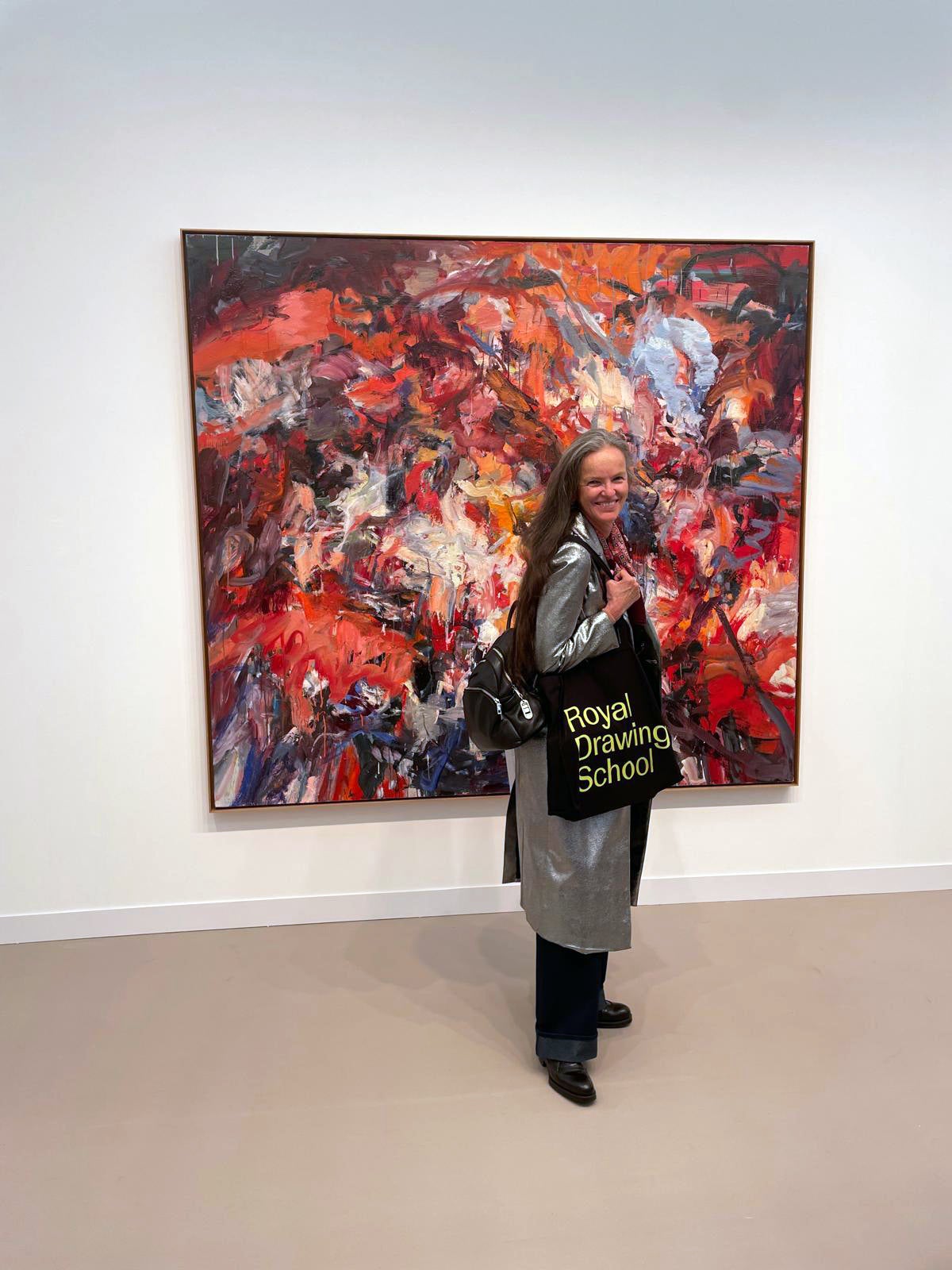 Bettina’s work as an art advisor went from being her life to being a lifeline during her treatment (Supplied)
My monthly chemotherapy sessions started four weeks later. It took a few days to recover after each one. Chemo made me simultaneously tired, sluggish and nauseous; and the effects were cumulative. I wore a “cool cap”, a sort of mini-fridge for your head, designed to persuade your hair follicles, by freezing, to stay in place. But nurses still advised me to cut it short then and there, so that I wouldn’t have to go through the trauma of my waist-length hair falling out.
My hairdresser had told me to call him when the time came. Even though it was a Sunday, he opened the salon especially for me, and shaved off the remainder of my long, dark hair, now in patches. He understood what it meant to me suddenly to be completely vulnerable. He treated me like a fragile porcelain vase.
The routine of chemo became more difficult as I got deeper into the treatment. By the fifth dose, I developed a burning, sciatic pain in my left leg. An MRI scan after completion of the eight-month cycle showed what was wrong. “Unexpected metastasis of breast cancer in the bone,” the doctors told me in one of those dire, windowless consulting rooms where they break bad news. An X-ray of my skeleton revealed what looked like black amoebas in my rib cage and lower back. Metastasis meant Stage 4.
The cherry-blossom trees near my flat were bursting with life, and everywhere I looked, nature was coming alive again. I was, too
It seemed I would stop breathing there and then. The thought that I would not have long to live entered my mind for the first time. I would never receive a clean bill of health. The most I could hope for was ‘in remission.’ But for how long? New words now crept into the doctors’ vocabulary: ‘palliative,’ and ‘palliative care.’ Palliative basically implies that you can’t be cured.
Part of my new regime was a five-day radiotherapy treatment. I lay in bed, exhausted; even the smallest action was daunting. I broke into a cold sweat at the thought of going to the loo, only a few steps away from my bedroom. Radiotherapy was the hardest part of my year-long treatment. At Stage 4, the words “all clear” were no longer mine to hear.
When April came around again the following year, I experienced the coming of Spring with an intensity I’d never had before. The cherry-blossom trees near my flat were bursting with life, and everywhere I looked, nature was coming alive again. I was, too. I don’t like the noun “survivor”. But I like the verb. I did survive that year, and then another and another. Eventually, I stopped marking the anniversaries of my operation and treatment.
At some point you have to trust. Now, I have an annual consultation and still take Tamoxifen to block oestrogen from attaching to rogue cancer cells.
My boyfriend and I broke up shortly after my treatment ended. He had been kind and attentive throughout, but it took something as devastating as a cancer diagnosis to dispel my illusions about our relationship. I wanted someone who would wholeheartedly commit to me. Cancer gave me the courage to face that truth, and I chose to spend the next eight years on my own.
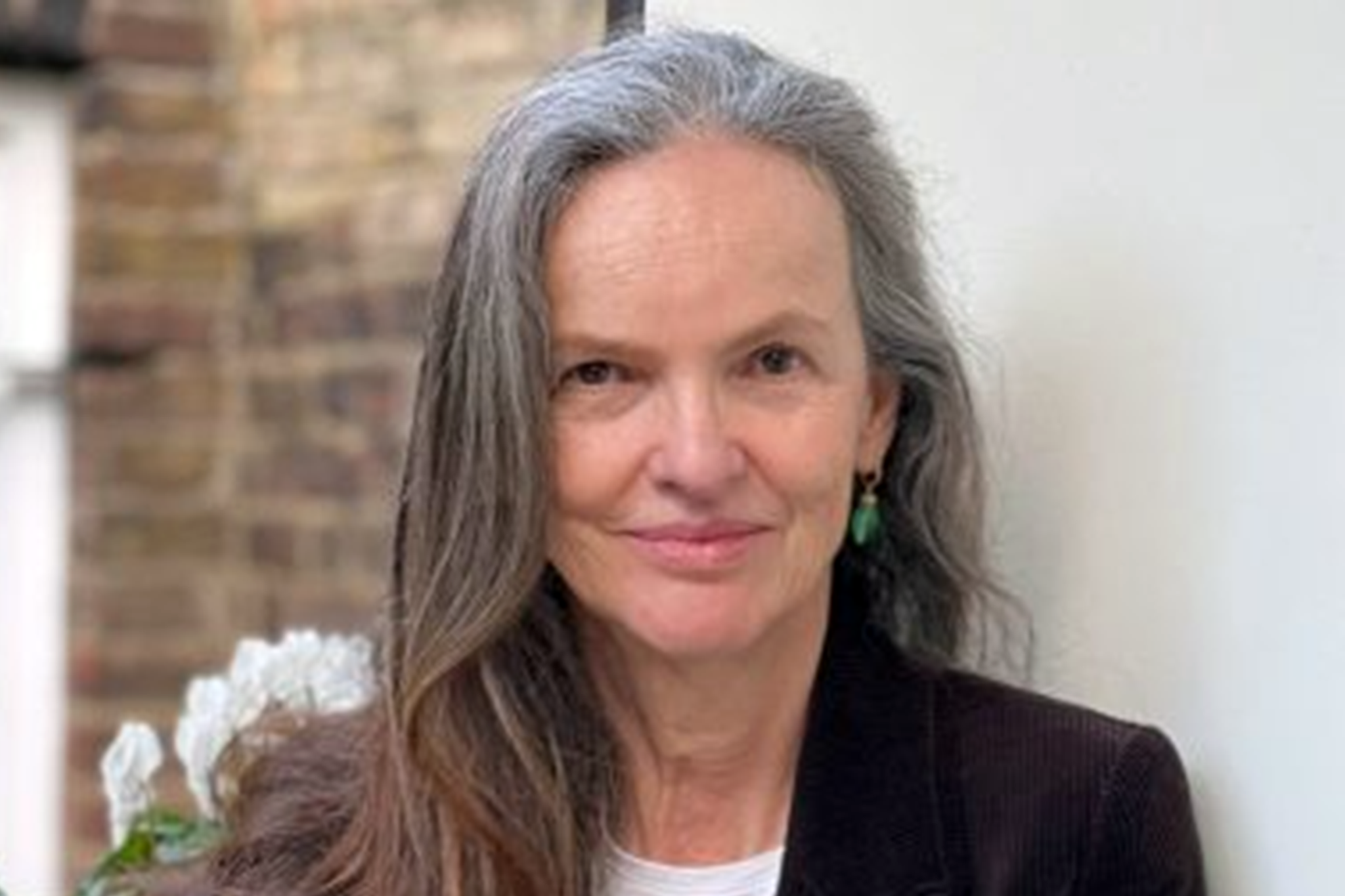 Bettina: ‘Nothing is as it was. But I’m alive and sitting here writing these words’ (Bettina Von Hase)
One day the Prof told me that of the five patients he had been treating at the same time as me, I was the only one still around. For the first time, I dared ask him how long I might have. “It’s complex”, he replied. “Those who had the same diagnosis as you lived for 10 to 15 years. But science has moved forward, and there’s a good chance you’ll live longer than that. ”
Two significant things have happened to me in the years since. In 2008, I re-met my future husband, John, an old friend who got in touch after he heard of my diagnosis. I committed to writing seriously again; John and my writing fit like two soft leather gloves on my hands. When we met, it seemed a miracle of sorts, but in retrospect I realise that I let him in. No more half-measures. I married for the first time when I was 60 years old.
Nothing is as it was. But I’m alive and sitting here writing these words. I feel resilient. I learnt not to succumb to fear, and how to recognise opportunity in the new chance at life I’ve been given. Not a day passes without my holding two conflicting thoughts in my head: I am lucky to be alive; I may have a recurrence tomorrow. If you skate in April, you never know if the ice will give way.
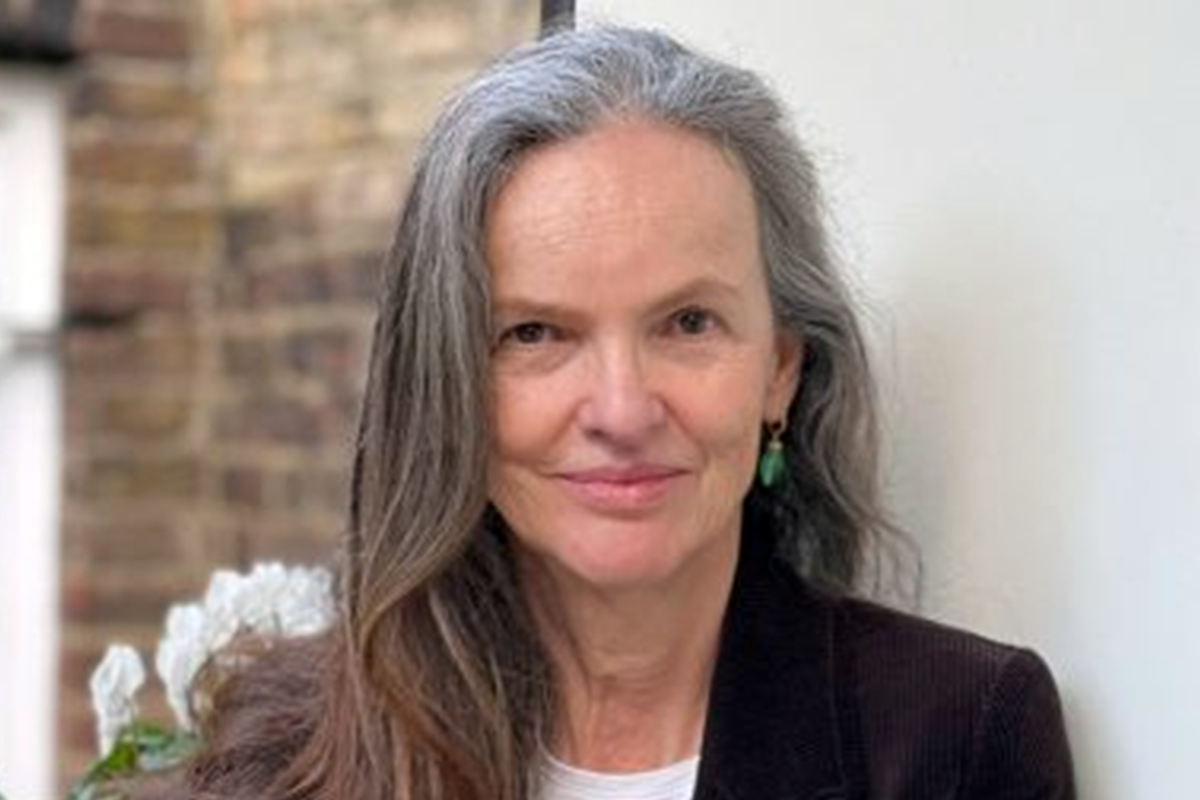
Bettina von Hase is a writer, journalist, and art adviser. She founded Nine AM Ltd., which advises museums, artists, collectors, and companies worldwide. She has just completed her first novel.
To find out more about Breast Cancer Awareness Month, visit https://www.macmillan.org.uk/cancer-awareness/breast-cancer-awareness-month