
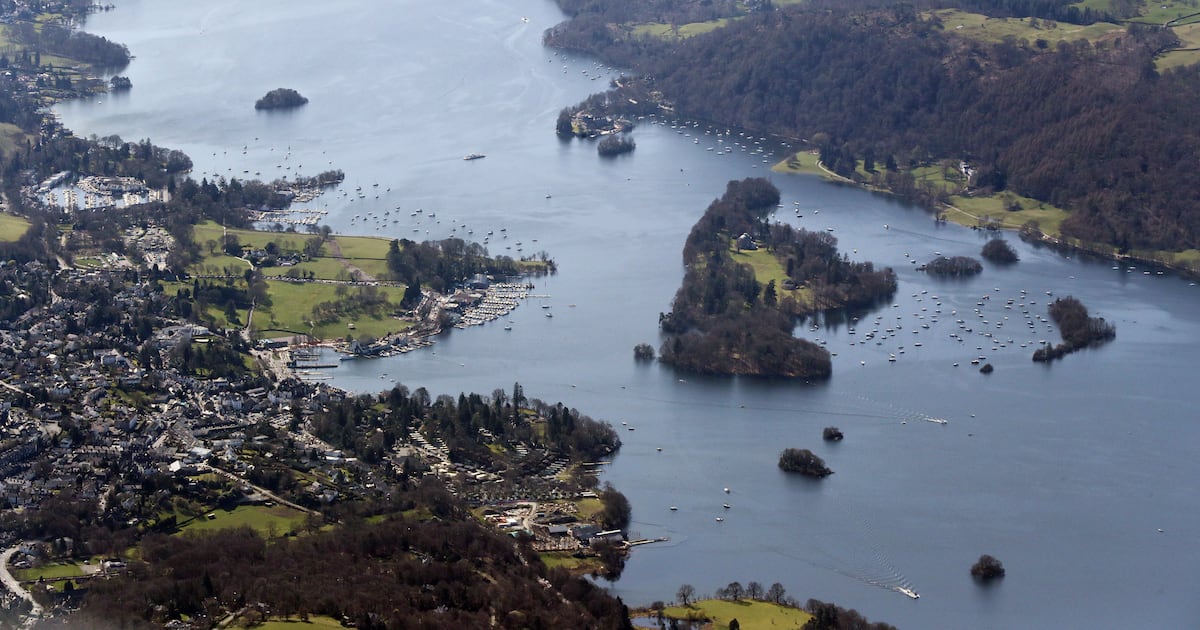
Toxic algal blooms caused by sewage pollution are not just a problem in Lough Neagh, with campaigners in England suggesting a radical £3.7bn sewage tunnel to save Lake Windermere.
The scheme to preserve the “jewel” of the Lake District would see a 12 mile tunnel built to carry sewage to a state-of-the-art water treatment works and take seven years to complete.
Backed by the region’s water company, it would also connect thousands of people to a modern sewer network for the first time, create natural drainage and flood reduction schemes to ensure only rainwater ends up in the lake.
Two options to pay for the huge cost include adding £3 a month onto bills for customers in the region, or an extra 33p on bills across all of England if Lake Windermere is recognised as a national asset.


But could a similar scheme solve Lough Neagh’s problems?
Gerry Darby is manager of the Lough Neagh Partnership and welcomed the ambition of the Windermere project, but questioned if Northern Ireland had the same foresight.
“There are a couple of differences as Windermere wouldn’t be the same scale or volume as Lough Neagh, but the effect and the challenges are still the same,” he said.
“In one sense I don’t know if a similar scheme would work for Lough Neagh as I’m not an engineer, but at the same time what is definitely needed is more investment in either existing treatment plants flowing into the rivers and the lough or something new and innovative like that tunnel.
“The next problem is who is going to pay for it. In Lake Windermere it would either be paid locally or nationally.
“But, at our present situation we don’t even have proposals or plans of existing sewage treatment plants.”
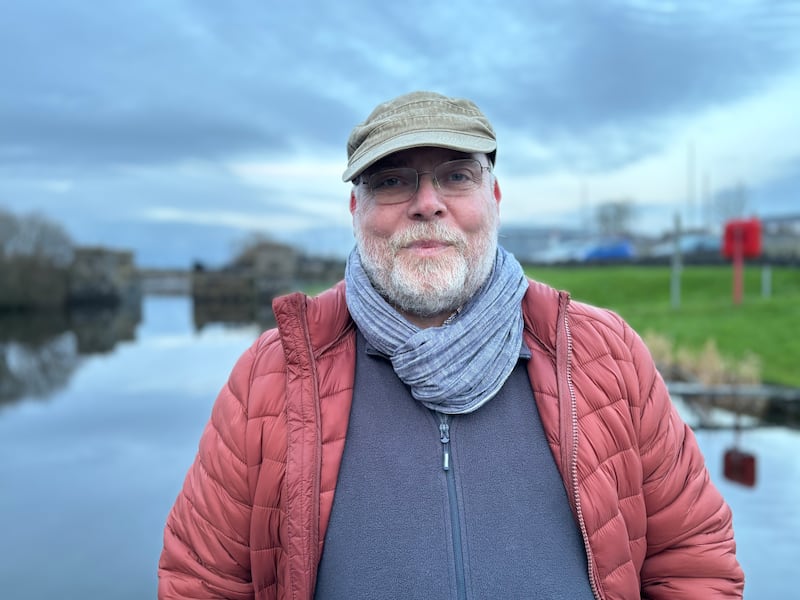 Gerry Darby, manager of the Lough Neagh Partnership at the Lock keepers Cottage in Toome, Co Antrim. PICTURE: PA
“Also, we’ve got the political problem of the Stormont Assembly not wanting to introduce local charges and want to pay for things from the existing budget.”
Mr Darby added that “at the very minimum,” it was time to have that debate in Northern Ireland.
“I would 100% back the idea that Lough Neagh needs to follow that process in terms of a new engineering solution and a real mature discussion about who is going to pay for it.”
Giving his own personal view as a resident living near the shore of Lough Neagh in Toome, Mr Darby said he would be prepared to pay extra.
“I would personally do that, but it’s up to the politicians to make a decision on that for the people of Northern Ireland.”
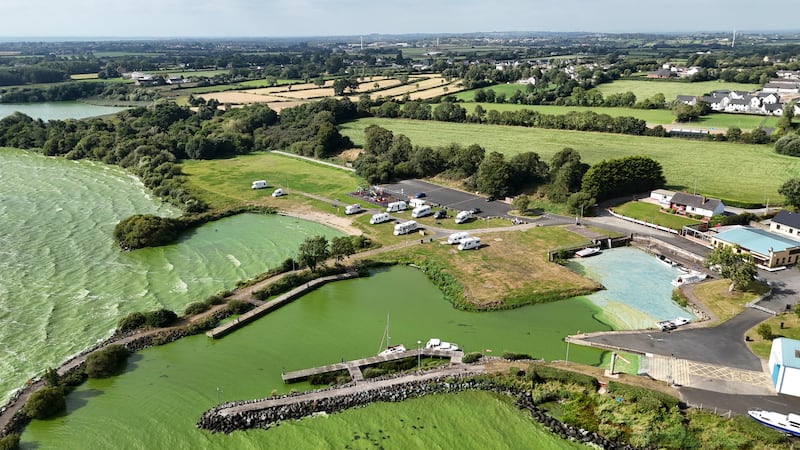 Blue-green algae on Lough Neagh near Cookstown in Co Tyrone
Claire Sugden, Independent MLA for East Derry, told The Irish News the continued deterioration of Lough Neagh was “an environmental disgrace” that was getting worse despite “years of discussion and promise.”
She said farmers needed to be supported to make the necessary changes as well as calling for “longstanding failures” in wastewater infrastructure to be addressed.
“Other parts of the UK are considering major investment to tackle similar problems, and we should be equally ambitious.
“How we fund that investment needs serious consideration, particularly given the pressures on household finances, but we cannot rule out potential solutions simply because they are difficult or expensive.”
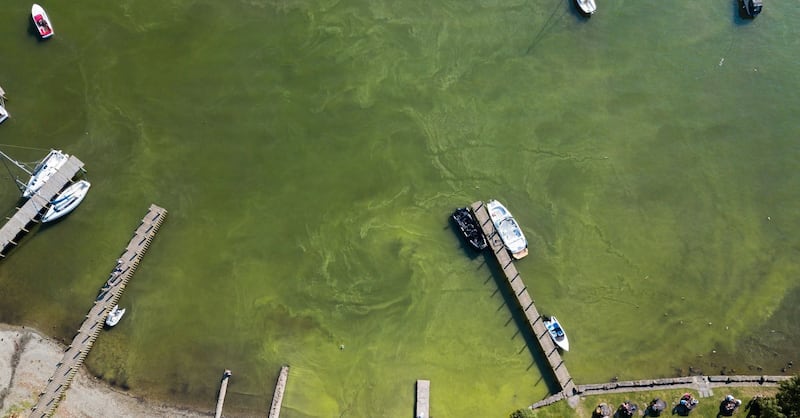 Raw sewage and treated effluent is discharged into Lake Windermere, causing similar toxic algal blooms to Lough Neagh. PICTURE: SAVE WINDERMERE