
Credit: Far Out / Alejandro Páez
October 26th, 2026 · 1:00am GMT
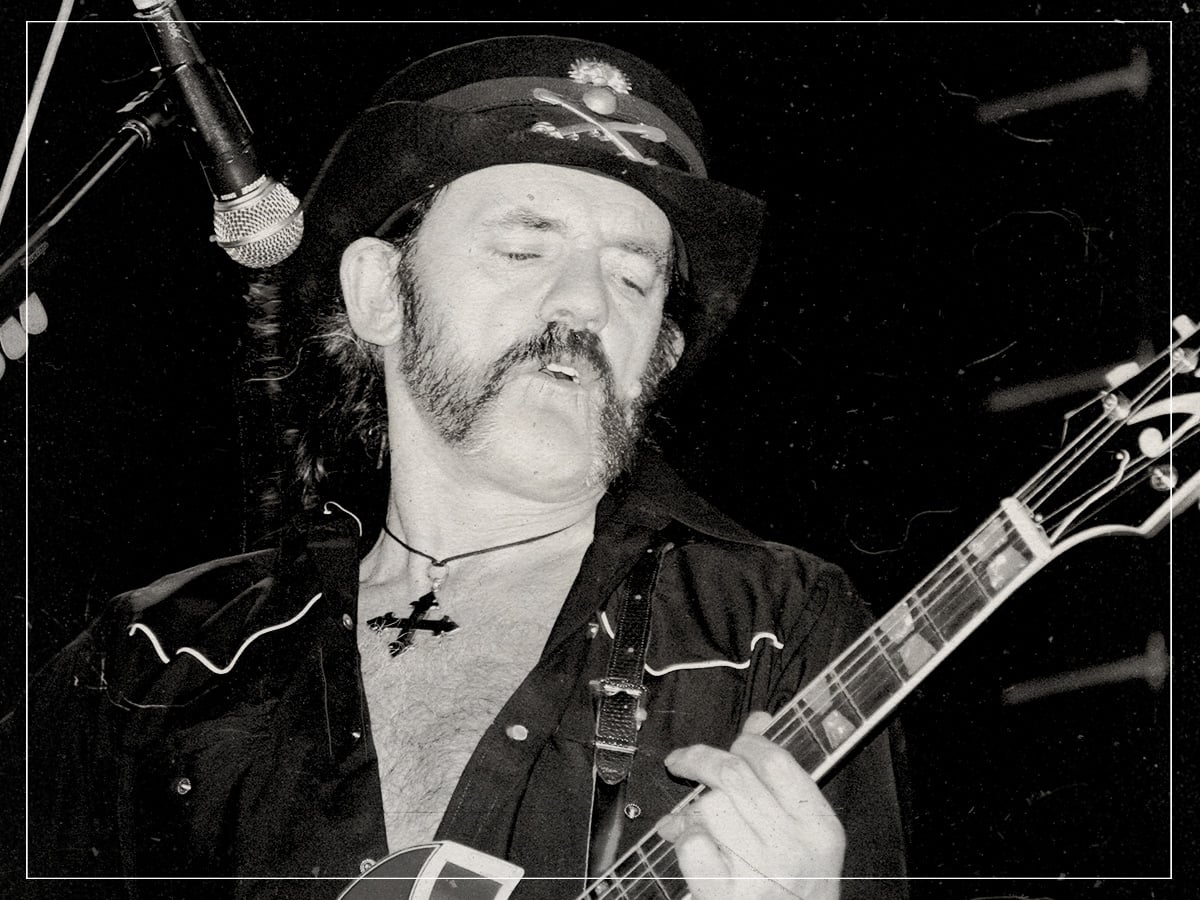
Sometimes, a band doesn’t need to evolve in order to remain successful, and when it comes to speed metal icons Motörhead, there was absolutely no reason for them to change up their winning formula.
Formed in 1975 after bassist and frontman Lemmy Kilmister was fired from space rock outfit Hawkwind, the group virtually existed in exactly the same sphere for their entire career, realising early on what their modus operandi would be, and firmly sticking to it. They played a furious combination of heavy metal and punk rock at an obliterating pace, and that was how they were determined to be known for all eternity.
Of course, some people are going to argue that after a while, this constant repetition of the same idea is going to become tiresome, but on the other hand, not changing things up too much allows a band to ensure that they become faultless. If you’re doing the same thing time and time again, you’re bound to reach a point where you can then do it without even thinking about it; it’ll just come naturally, and with Motörhead, they certainly managed to perfect their craft after a while.
On their first four albums, from the self-titled debut in 1977 to Overkill, Bomber and Ace of Spades, it was clear that the band were growing in confidence, but shortly after, it reached a point where things began to become unsettled. As the band’s leader, Lemmy took things into his own hands in an effort to shake things up.
Realising that things needed to change, Lemmy opted to change things up by the time they reached their sixth studio album, Another Perfect Day, with new elements being introduced, such as pianos. It felt uncharacteristic for the sound they’d been known for building over the course of their career. In addition to this, they’d already parted ways with guitarist ‘Fast’ Eddie Clarke prior to recording the album, bringing in Thin Lizzy’s Brian Robertson to take his place, but the resulting album tore fans apart, largely because it didn’t feel like it was the same band at its core.
The thing is, Motörhead were still going to be Motörhead, and Lemmy was the reason for that. In another potentially rash executive decision, the frontman opted to fire every remaining member of the band prior to entering the studio for the next album, Orgasmatron, but bringing in three new personnel didn’t make a jot of difference, as he pointed out in a 1986 interview published in Classic Rock.
“Motörhead is my livelihood, it’s what I enjoy doing,” he proclaimed, evidently unmoved by the unrest within the camp that had plagued the last few years of the band. “If I gave it up, what would I have left? Fuck all.”
Further reading: From The Vault
He went on to argue that Orgasmatron was the best thing that the band had ever done, seemingly willing to cast aside everything they’d done in their previous incarnations. “It’s certainly the best thing we’ve done since Ace Of Spades,” he added. “And this is definitely the best Motörhead.”
It never really mattered who was present, bar Lemmy, and for all of the changes that they did and didn’t choose to make, when Lemmy realised that consistency was key, he did everything in his power to ensure that the project wouldn’t collapse unless the glue holding it together departed. True to his word, regardless of who was in the band, Motörhead remained unmistakably his project until the day he died.
