
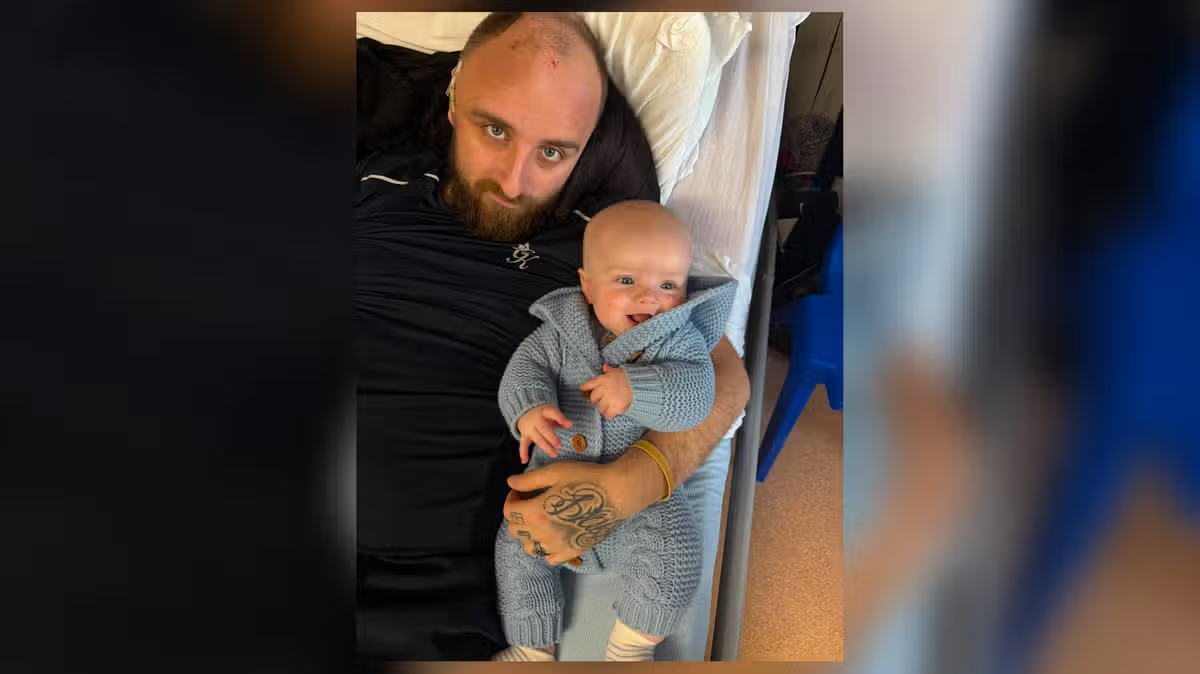
“Looking back, I know life will never be exactly the same. There are still difficult days. There are setbacks and frustrations. But I’m still here.”
07:14, 27 Oct 2026
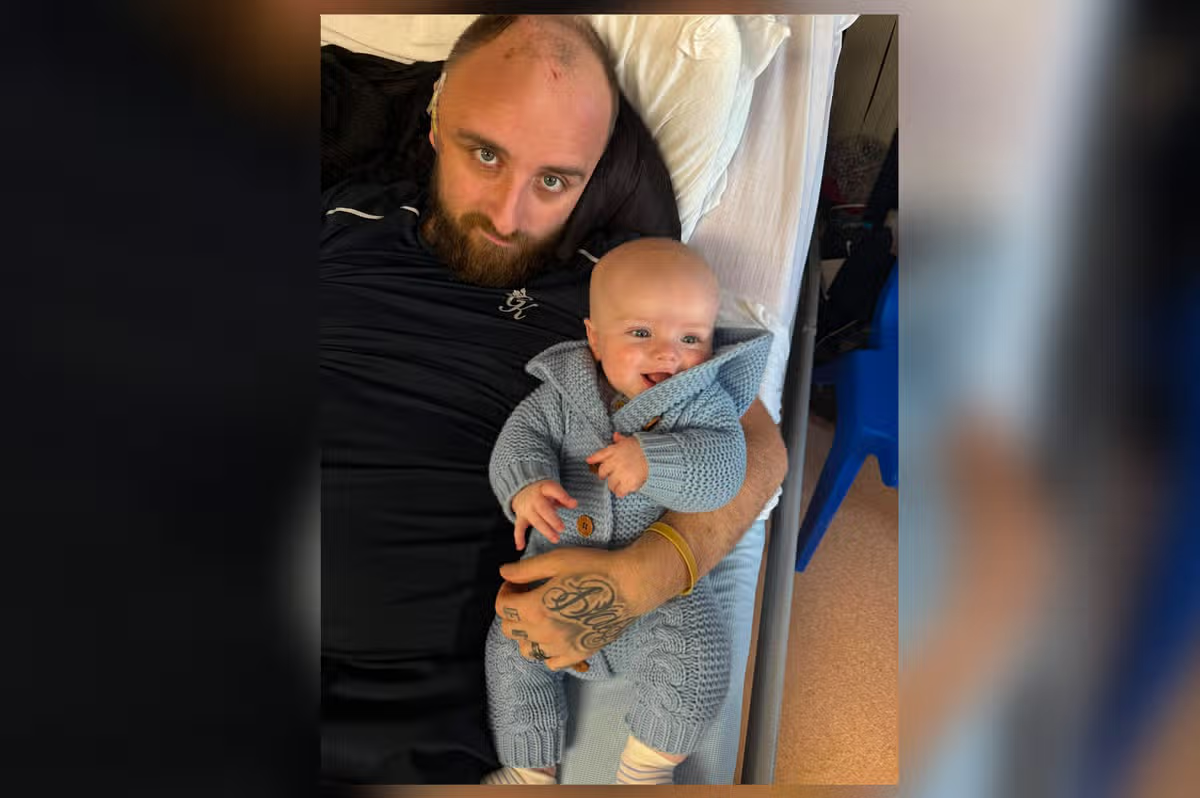
Jordan Ballantyne and his newborn back in 2024(Image: Supplied)
A Glasgow dad-of-four Jordan Ballantyne has opened up about suffering a stroke at just 29, sharing a powerful message that stroke “does not discriminate”.
In 2024, life was busier than ever for Jordan. Living in Glasgow with his partner, Emma, and their four young children, including a newborn, he balanced family life with his work as part of the crew on hit TV series Outlander.
Away from work, football was his great passion. Jordan captained local amateur team Bellgrove AFC and rarely missed the chance to watch his beloved Rangers.
Before a stroke turned his world upside down, Jordan was “always on the go, fit, active and healthy”.
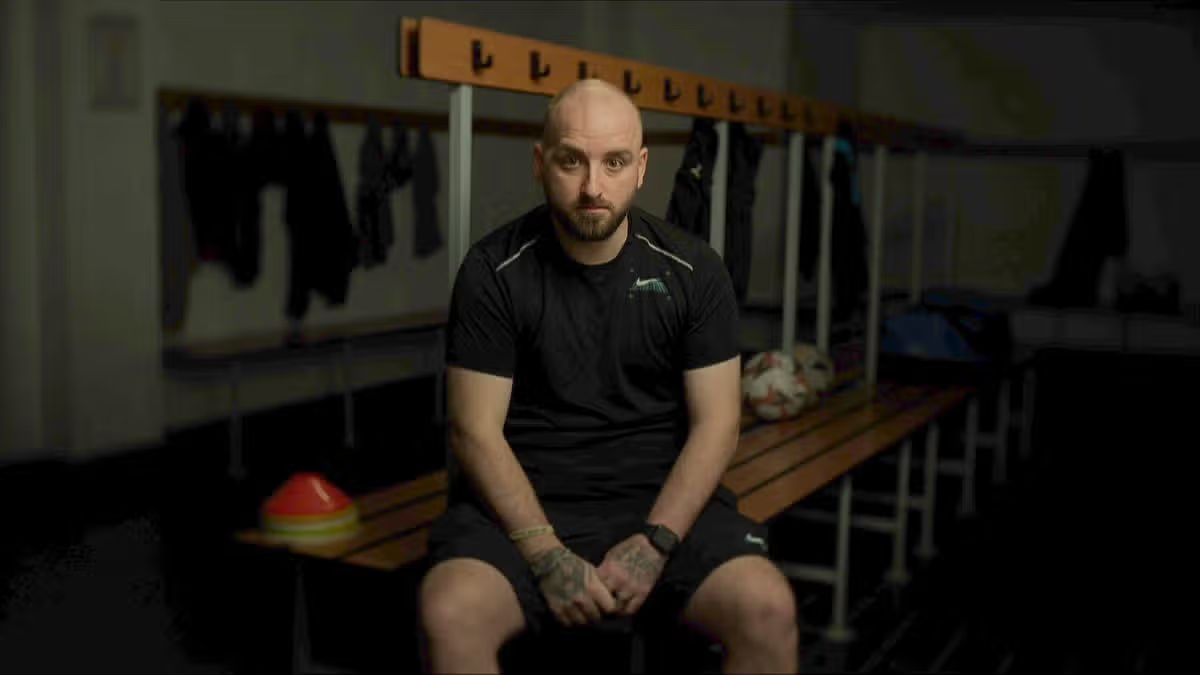
Jordan says stroke “does not discriminate” (Image: Stroke Association)
“Life was good”, he said, “if you’d asked me what might happen to me before I turned 30, stroke would have been the last thing on my list.”
Everything changed nearly two years ago on December 13, Jordan and Emma had been out Christmas shopping when he suddenly developed an intense headache.
The now 31-year-old said: “It was like someone had stabbed me in the top of my head. A piercing, throbbing pain. I remember saying to Emma that I felt weird, but I just brushed it off.”
The following morning, he struggled to wake up, but put it down to having a few drinks the night before, but Emma “knew something wasn’t right”.
“I kept telling myself, you’ve just had a drink”, he said, “you’ll be fine.”
Eventually, Jordan forced himself out of bed but as soon as he stood up he felt a wave of sickness and his left side went limp before falling head first into the bathtub.
Partner Emma knew immediately something was seriously wrong. Jordan remembers sitting on the edge of the bed as Emma spoke to him. He said: “My speech started slurring. Emma asked me to smile, but I couldn’t. She remembered the FAST test straight away and realised I was having a stroke.”
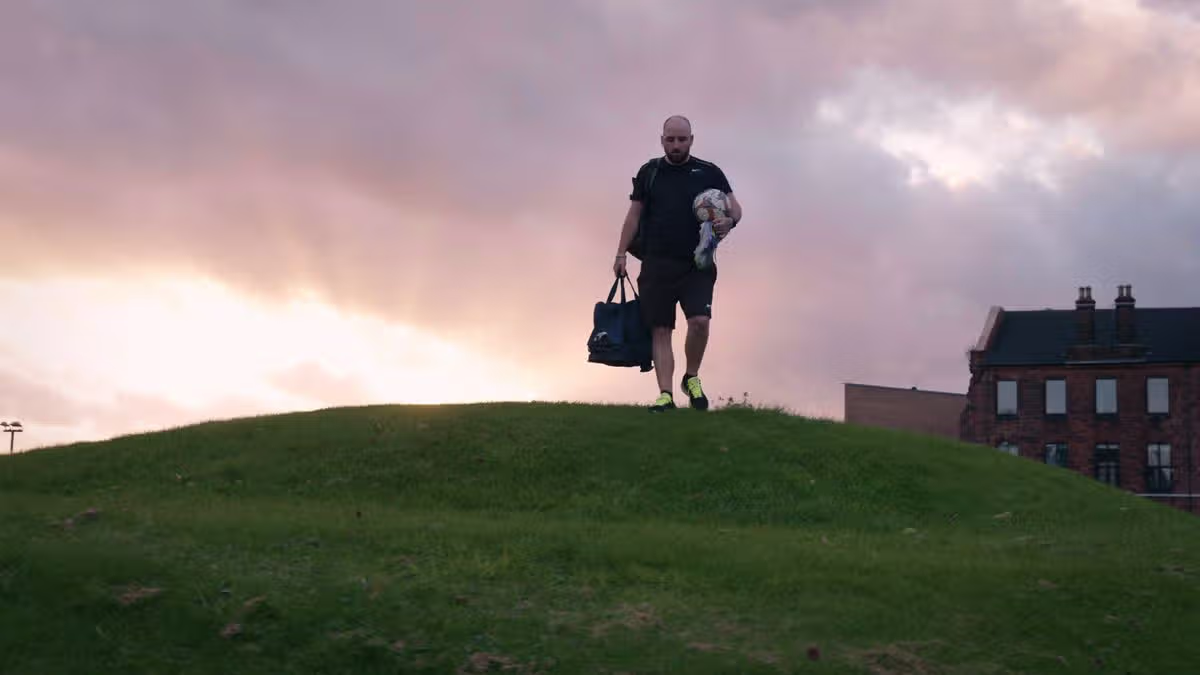
Football was a huge part of Jordan’s life before he suffered a stroke in 2024(Image: Stroke Association)
999 was immediately called as well as Jordan’s brother, who rushed over while Emma tried desperately to shield their children from what was happening.
Jordan said: “She was trying to stop the kids seeing their dad like that while waiting for the ambulance. I honestly believe Emma saved my life.”
Jordan was taken to the Queen Elizabeth University Hospital in Glasgow where it was discovered that without emergency surgery there was a high risk he would suffer catastrophic brain damage or die.
Doctors explained they believed Jordan needed a decompressive craniectomy – an operation to remove part of his skull and allow his brain to swell safely.
That night, Jordan underwent emergency surgery. Later, his family were told the operation had almost certainly saved his life.
Jordan said: “The surgeon explained that without it, I would most likely have died, or been left with such severe disabilities that I’d have had very little quality of life.”
Part of Jordan’s skull was removed during the operation and preserved so it could be replaced months later during a cranioplasty. After surgery he began hallucinating, he said: “My first memories are of hallucinating. My nana had passed away the year before, and I remember seeing her sitting on my hospital bed. I was crying because it felt so real.”
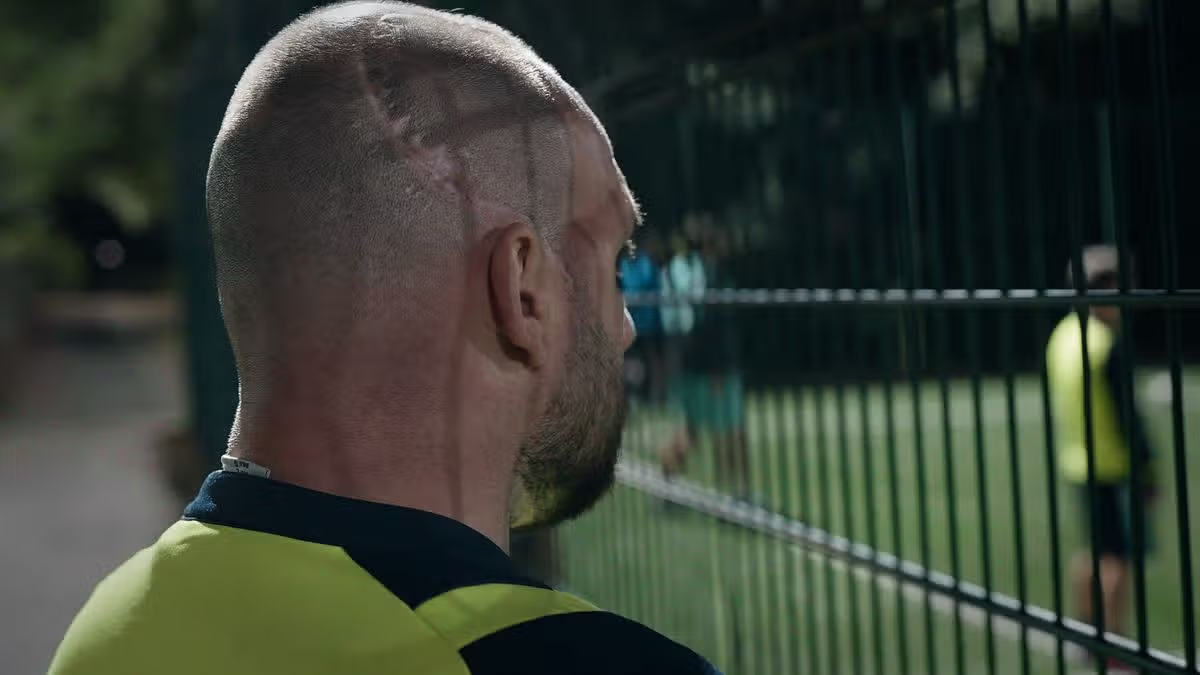
Jordan’s scar from brain surgery(Image: Stroke Association)
Jordan’s left side was almost completely paralysed, and he had lost much of the vision on his left.
He said: “I remember thinking, ‘That can’t be right. Stroke doesn’t happen to young people. I was fit and healthy. I was only 29. How am I lying in a hospital bed being told I’ll have to learn to walk again?”
Jordan spent two weeks in the High Dependency Unit before moving to a rehabilitation ward, where he remained until the middle of February 2025. Instead of celebrating at home with his young family, he spent both Christmas Day and New Year’s Eve in hospital.
Jordan said: “Christmas is all about the kids, especially with a newborn baby in the family, so missing that first Christmas together was heartbreaking. Watching everyone else celebrate while I was lying in a hospital bed, trying to come to terms with what had happened, was incredibly difficult.”
Emma brought the children to visit whenever she could, creating precious moments that kept Jordan motivated throughout his recovery.
Jordan said: “Seeing them was the highlight of every day, but it was also one of the hardest things I’ve ever experienced. I should have been at home building toys, eating Christmas dinner and making memories with my family. Instead, my children were coming to visit their dad in hospital. That really hit me.”
Returning home in February finally gave Jordan hope that life was beginning to move forward. Jordan said: “Walking through my own front door and sleeping in my own bed again felt amazing. It was the start of the next stage of recovery. But recovery had only just begun.”
Jordan is now trying to adapt to life post-stroke, he added: “Fatigue became one of my biggest battles. The tiredness is overwhelming. People see you looking okay, but they don’t see what stroke does behind closed doors.
“The emotional impact has also been profound. I’ve changed as a person. I get irritated much more easily than I ever did before. Sometimes I don’t feel like the same person I was. Instead of trying to become the man he was before his stroke, I have learnt to accept a different version of himself.
“I’ve realised I’m not trying to get my old life back anymore. I’m learning who I am now. That’s probably one of the hardest parts of stroke – accepting your new normal.
“Many people assume my recovery is complete because I look well. People tell me, ‘You look brilliant. You’re back to normal.’ But they don’t see what’s going on inside. They don’t see the fatigue, the frustration, the changes to my vision, or how hard I have to work every day. Stroke leaves so many hidden disabilities.”
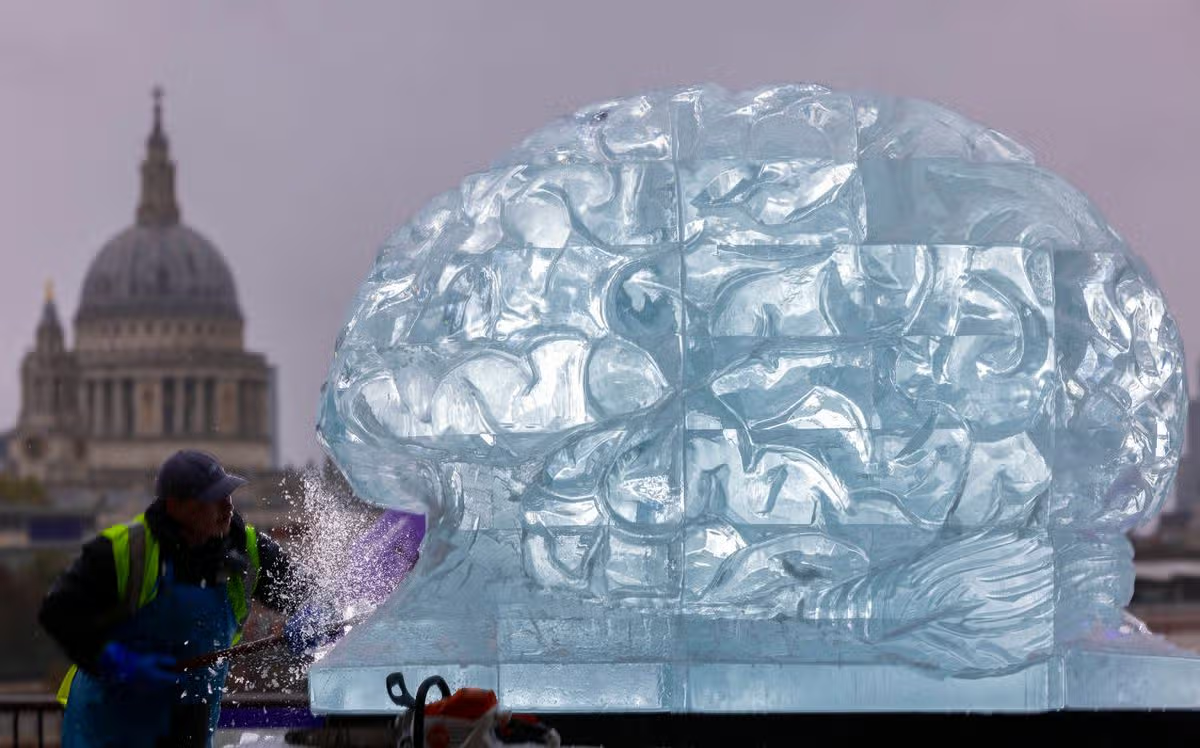
The new Stroke Association sculpture
During his recovery, doctors discovered the underlying cause of Jordan’s stroke was Antiphospholipid Syndrome (APS), an autoimmune condition that increases the risk of blood clots.
Recovery has continued to bring challenges. Months after his emergency surgery, Jordan underwent a second operation to replace the section of his skull, and later experienced a seizure during his recovery.
Jordan said: “I honestly believe Emma saved my life. If she’d listened to me and left me in bed because I thought I was hungover, I probably wouldn’t be here today. She recognised the signs, called for help, fought for me, and when doctors explained the surgery, she made sure they did everything they could to save me. I owe my life to her.”
Jordan is equally grateful to his parents, siblings, wider family and friends who have stood beside him throughout his recovery, “I couldn’t have got through this without them”, he added.
Jordan wants people to understand that stroke doesn’t discriminate. He said: “I want people to know that stroke can happen to anyone. It doesn’t matter how old you are or how fit you think you are.
“If sharing my story helps even one person recognise the signs of stroke, encourages someone to call 999, or gives another survivor hope that recovery is possible, then it’s worth telling.
“Looking back, I know life will never be exactly the same. There are still difficult days. There are setbacks and frustrations. But I’m still here.
“And after everything that’s happened, that’s something I’ll never take for granted again.”
Jordan’s scan is one of five that inspired a new Stroke Association sculpture, highlighting the hidden and long-term impact of stroke. The 2.5-metre ice brain was unveiled by by actor and producer Josh Whitehouse on London’s Southbank ahead of World Stroke Day.
The sculpture marks the launch of ‘Survival Is Not Enough’ – a new campaign from the Stroke Association.