
Credit: Far Out / Open Culture
October 29th, 2026 · 11:02pm GMT
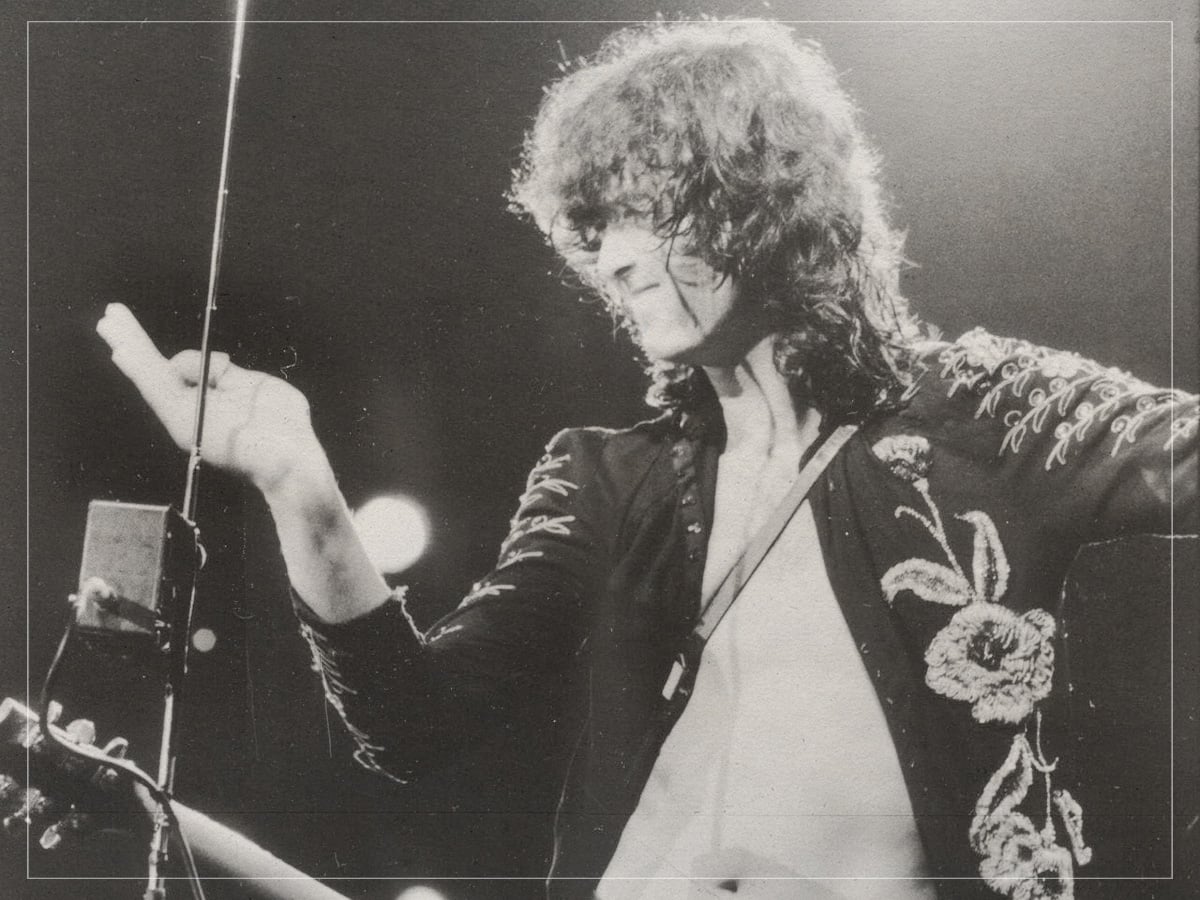
Led Zeppelin always had a unique identity and existed within their own micro-universe that Jimmy Page created to the letter.
Before Page was even out of The Yardbirds, he had a set idea of what he wanted out of his music. Part of the appeal of forming Led Zeppelin was that there were no set rules for where he could go, musically, and while a lot of it came back to traditional blues, no one was going to make the kind of blistering hard rock that came out of tunes like ‘Black Dog’ or match the majesty of ‘Kashmir’.
That kind of versatility only comes from someone who has been around the block in terms of session scenes. Even though Page had found his niche in Zeppelin, one of his greatest strengths was being able to shoehorn his guitar into any situation, and if someone could work with both Shirley Bassey and Donovan and still make it work, there was hardly anything that he couldn’t cover.
While there were no strict rules when Page headed into the studio with Robert Plant, John Bonham and John Paul Jones, it was a different matter when it came to how they wanted to be perceived. A fine example of this was their refusal to release singles in the UK because they believed an album should be viewed in its entirety.
At the time, the pop charts were also getting far more wholesome. While the bad boy reputation of their backstage antics has become the stuff of legend, the rest of America was busy watching Sonny and Cher play tunes like ‘I Got You Babe,’ which may as well have been the inverse of what tunes like ‘Whole Lotta Love’ were supposed to be.
That didn’t mean there wasn’t some overlap, though. Regardless of how many classics Zeppelin was spitting out, they were still tied to Atlantic Records, which meant they were getting the same kind of press coverage that Sonny and Cher were getting, albeit in very different markets. Even if they shared the same parent company, Page made it explicitly clear that he didn’t want anything to do with the pop couple when he started out.
When it came to getting around the negotiation table, Page later recalled saying, “[Atlantic] were aware of my work with the Yardbirds because they were pretty hip people, so they were very interested. And I made it very clear to them that I wanted to be on Atlantic rather than their rock label, Atco, which had bands like Sonny and Cher and Cream. I didn’t want to be lumped in with those people”.
“I wanted to be associated with something more classic.”
Jimmy Page
Further reading: From The Vault
Page got his way, and they were signed to Atlantic Records rather than being placed on Atco, which meant they couldn’t be linked with the contemporaries whom he didn’t want to be mentioned alongside.
Due to both Page and Eric Clapton being alumni of The Yardbirds, this was a smart move, in hindsight, to put them on different labels. It stopped a lazy comparison being made by the press and fans alike, despite the musical differences between the two acts, and allowed Zeppelin to exist in nobody else’s shadow.
While nobody was going to compare Sonny and Cher to Led Zeppelin, even if they were both on the same label, it could have diluted their hell-raising image if their label-mates were hosting a light-entertainment show on television.
That being said, Cher and Led Zeppelin have both stood the test of time, but Page was more concerned with legacy, even back then. Cher has since gone through many different periods and had become virtually indestructible chart-wise, but Led Zeppelin would always be known as the bad boys who didn’t go along with the programme and did everything they could to push themselves and rock and roll forward.
The fact that Page had earned the right to dictate the conditions of their record deal says everything about the reputation that he’d already amassed. If Atlantic didn’t agree to his demands, another label would have, and they knew it was an unmissable opportunity to sign the world’s next big band.
ADD AS A PREFERRED SOURCE ON GOOGLE  The Far Out Led Zeppelin Newsletter
All the latest stories about Led Zeppelin from the independent voice of culture.
Straight to your inbox.