
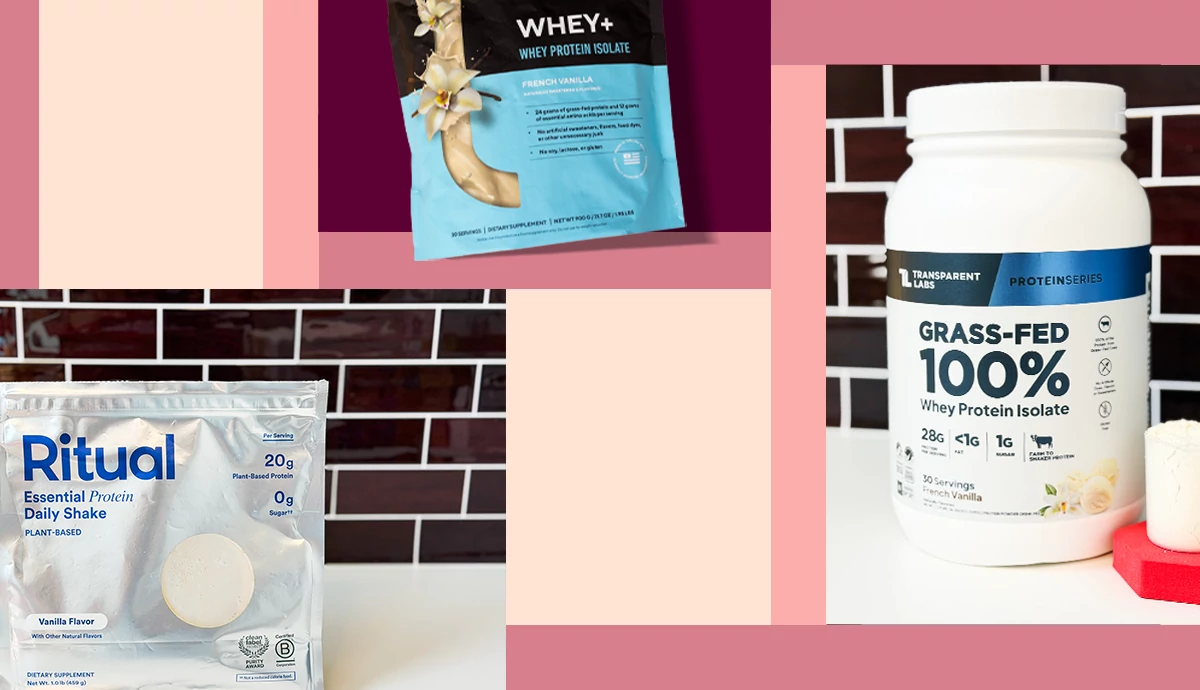
How we test protein powders
We began our process by researching the market: Which protein powders are popular and why? Which companies have positive reviews — and are those reviews legitimate? We also surveyed 300 adults ages 50-plus and convened a focus group with older adults who regularly take protein supplements. Their insights helped us pinpoint which factors matter most to older adults when choosing a protein powder and what drives overall satisfaction with these products. (We quote participants using pseudonyms to preserve their privacy.)
We consult with medical professionals to review the nutritional information and formulation of every supplement we test. Experts weigh in on each product’s active ingredients, potential additives and appropriateness for various age groups or health conditions. With the experts’ help, we ensure each supplement has independent third-party verification from organizations such as ConsumerLab.com, NSF International or the U.S. Pharmacopeia Convention. That’s especially important because the U.S. Food and Drug Administration (FDA) typically does not evaluate supplements for safety or effectiveness.
Our lab team then purchases supplements that pass this initial screening. We recruit independent older adult testers who prepare and evaluate the protein powders and answer questions about packaging, instructions, mixability, taste, texture and more. We also assess factors such as value and protein content per serving. For additional information, see our supplements testing methodology.
How to choose the best protein powder
“The best choice of a protein powder depends on the individual and how their body responds to the product,” says Kirsten Swantee, a registered dietitian at JM Nutrition in Nova Scotia, Canada.
Based on input from medical experts and feedback from older adults in our protein supplements survey and focus group, here are some top considerations:
How you consume it
Protein supplements come in a variety of forms, so knowing your preference can help narrow down your options. In our survey, the most common way (chosen by 45 percent of respondents) was as a “protein shake or ready-to-drink beverage.”
Protein powders used to make shakes, such as those reviewed here, can also be consumed in other ways. Some of our focus group participants said they mix protein powder with milk or fruit, while others add it to baked goods like pancakes. One participant, 58-year-old Karen from St. Louis, Missouri, mixes whey protein powder with peanut butter powder, chocolate and other ingredients to make “protein bites” that have about 18 to 20 grams of protein per serving. “I keep those on hand, and eat them anytime I’m hungry between meals,” she said. “And if I get late-night sugar cravings, I just grab one of the bites, and it satisfies my craving.”
Others said they supplement their diet with other higher-protein sources like snack bars, nuts or cheeses.
Protein source
Not all protein sources are made equal. The best option for you will likely depend on several factors, such as whether you prefer animal- or plant-based options, benefit from a complete protein or have food sensitivities.
Animal- or plant-based: Protein supplements come in various animal-based and plant-based options, and each type varies in absorption rates and amino acid (protein building-block) profiles. Popular animal-based options include egg white and dairy-derived whey, collagen and casein. Plant-based options include soy, pea, brown rice and hemp. Completeness: Whey is naturally complete, meaning it’s dense in leucine and the eight other amino acids that our bodies can’t produce on their own. Many plant proteins are incomplete or lower in specific amino acids, often requiring blends — such as Transparent Labs’ vegan blend of pea and rice protein — to be on par with the muscle-building effectiveness of whey.Sensitivities: Do you have allergies or other intolerances? Whey contains lactose and may cause digestive upset in some individuals, whereas plant-based options are dairy-free. However, whey digests quickly, and whey isolate’s lower lactose content may be easier to tolerate than whey concentrate for people with lactose intolerance, says Pearson, our medical reviewer. If you are sensitive to artificial sweeteners, fillers, gums or other additives, look for a supplement that excludes them, or consider an unflavored option.
What’s the most popular type of protein?
In our survey, whey was the most common type of protein, used by 41 percent of respondents, followed by collagen (34 percent) and plant-based options like pea, rice or soy (15 percent). But experts say no single type of protein is universally better.
Flavor
Taste was the most important factor — not only for respondents in our survey but also for our focus group of older adults who regularly take protein supplements. “Make sure it tastes good; otherwise, you’re not going to drink it,” said Karen, a participant in our focus group.
Another participant, 66-year-old Ryan in San Diego, California, said he uses a neutral-flavored protein powder so he can add whatever he wants to it for variety from day to day. Karen drinks a mocha-flavored premade protein shake because she says it helps satisfy her sugar cravings.
A few other focus group participants said they like switching up their flavored protein powders, preferring companies that offer a variety of unique options like pumpkin cheesecake or birthday cake flavors.
Amount of protein
Supplements contain varying quantities of protein per serving, depending on the product and protein source. Consider your daily protein intake goals to help determine which product best fits your personal health needs. Your healthcare provider can help determine the best target for you.
For instance, Alice, a 50-year-old focus group participant in Los Angeles, said her oncologist recommended consuming up to 120 grams of protein per day, as her cancer medication negatively impacts her bone density and muscle mass. Because she is lactose intolerant, Alice drinks a premade shake made with pea protein in the morning, which provides 30 grams toward her goal. “It’s hard to get all this protein without eating all day otherwise,” she said.
Personal health conditions may affect how much protein you seek in a supplement. “For people with healthy kidney and liver function, a higher protein intake is not generally considered harmful. However, for individuals with pre-existing kidney or liver disease, protein needs may differ from general recommendations,” says Swantee.
Note: This review is not meant to provide clinical advice. It’s always best to talk with your health care provider before starting any new supplement.
Focus group tip: No chugging
“Digestive discomfort” was one of the most common unwanted side effects of taking protein supplements in our survey, selected by 30 percent of respondents (behind “feeling too full” at 33 percent). Focus group participant Karen said she experiences gastrointestinal discomfort when she drinks her protein shakes too quickly. She prefers to sip on it for about “20 minutes as opposed to just chugging it.” As long as she doesn’t drink it too quickly, she says she doesn’t experience any digestive discomfort.
Benefits of protein powders for older adults
As we age, our appetites may decrease, which can potentially lead to undernourishment. “Many older adults are under-consuming their required daily protein,” says *Dustin Moore, a registered dietitian and nutrition scientist in Los Angeles. Longevity depends partly on muscle tissue, “and you’re more likely to keep or build it by meeting your protein goals,” he adds.
In general, protein supplements — such as protein powders — may help older adults to:
Bridge nutritional gaps, especially for those with decreased appetiteStimulate muscle protein synthesisCombat age-related muscle loss, known as sarcopeniaImprove bone health and densitySupport immune healthEncourage recovery from illness, injury or surgery
“Protein powders aren’t essential for older adults, but they can be an easy, convenient way to help meet protein needs,” says *Cynthia Sass, a registered dietitian in Los Angeles. She emphasizes that protein is one piece of the “nutrition puzzle” and that it’s important to also prioritize other key nutrients, such as fiber, potassium and healthy fats.
“When possible, eating more whole, naturally nutrient-rich foods is an important nutrition strategy, so in most cases I like to think of protein powders as a complement to whole foods rather than a replacement,” Sass adds.
Potential side effects of protein supplements for older adults
Protein supplements like powders are generally well tolerated, but some people may experience side effects, including:
Bloating and gasStomach pain or cramping DiarrheaNausea Constipation Allergic reactions to certain ingredients, such as whey and casein (cow’s milk proteins) or soy
“Sometimes added ingredients, like sugar alcohols or certain fibers, cause more trouble than the protein itself,” says *Melanie Murphy Richter, a registered dietitian based in Los Angeles.
Protein powders may also require special consideration if you take medications or have certain health conditions. Some formulas contain added vitamins, minerals, herbs or stimulants that may interact with medications. If you take prescription medications, check the ingredient list and ask your pharmacist or health care provider about potential interactions.
Older adults with chronic kidney disease should be especially careful about their total protein intake. Some protein powders contain potassium or phosphorus, which may need to be limited in certain people with kidney disease. Alexander Leritz, a registered dietitian at JM Nutrition based in Toronto, recommends working with a dietitian or your health care team to determine an appropriate protein intake if you have chronic kidney disease.