
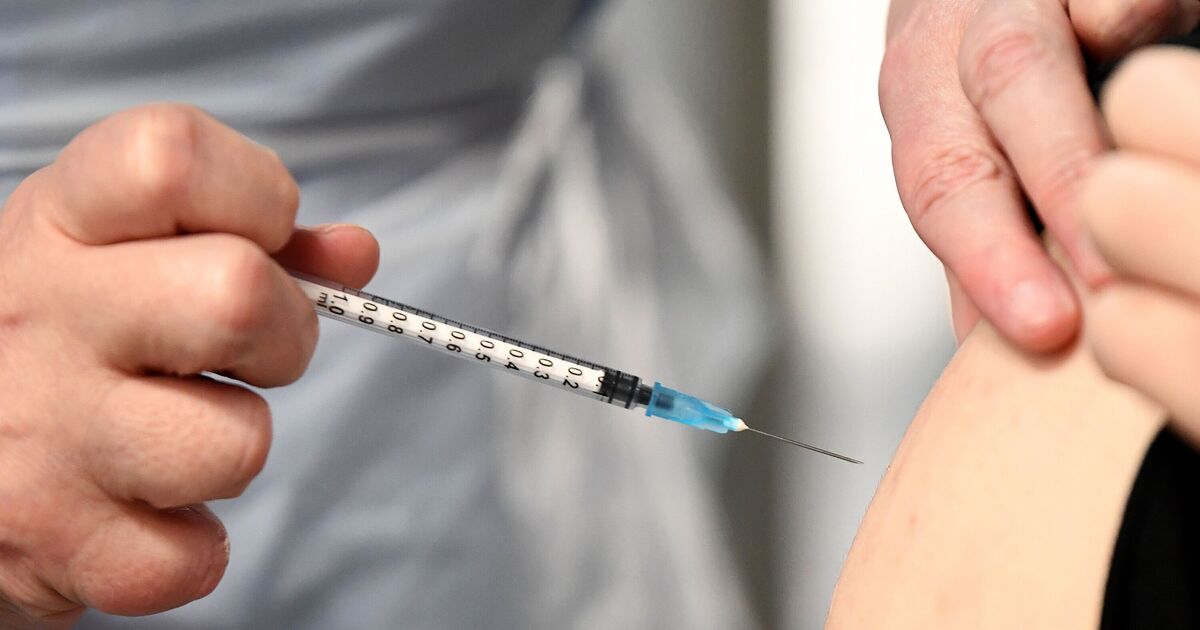
A major NHS vaccine rollout has been announced for pensioners over 75 following fresh advice, the Government has announced.
The Department of Health and Social Care (DHSC) said all adults aged 75 and over will be offered a Covid-19 vaccine from spring next year as people within this age group are at higher risk of serious disease from a Covid infection. The jab will also be offered to all residents of care homes for older adults, as well as people aged six months and over who are immunosuppressed – the same cohorts as those eligible for previous Covid-19 spring vaccinations.
The confirmation of the eligibility criteria comes after the Government has accepted advice from the Joint Committee on Vaccination and Immunisation (JCVI), saying it remains committed to protecting those “most vulnerable to serious outcomes from Covid-19”.
Dame Diana Johnson, Minister of State for Public Health and Patient Safety, said: “Older adults and people who are immunosuppressed remain at higher risk from COVID-19. Following the expert advice of JCVI, we will offer vaccinations to those at the highest risk in spring 2027.
“Getting vaccinated is the best way to protect yourself from serious illness and I encourage everyone eligible to take up the offer.”
Covid-19 cases have been rising in recent weeks with the XFG variant, also known as ‘Stratus’ or ‘American Covid’, being the driver behind a sharp rise in infections.
The ‘American Covid’ variant was first identified in January 2025, with the World Health Organisation identifying it as a mix of the LF.7 and LP.8.1.2 strains. It was given its nickname ‘American Covid’ as it’s now the most common strain in North America, but it has since spread worldwide, including in the UK.
Symptoms of the XFG strain are similar to other variants that have circulated widely, including Omicron and Delta, with a sore throat typically being the earliest sign of infection, before later developing a cough and fever. Symptoms can also include shortness of breath, headache, a blocked or runny nose, aches and pains, and fatigue.
NHS advice says you should self-isolate at home if you have a high temperature. This means you may feel hot and your skin is hot to the touch on your chest or back, and you may also feel cold or shivery.
You don’t need to measure your temperature, but if you feel feverish it’s recommended you stay at home and avoid contact with others until you no longer have a high temperature.
Covid-19 vaccines are expected to remain effective against the American Covid strain and anyone who is eligible to get an autumn booster is urged to take up the offer.
Dr Alex Allen, Consultant Epidemiologist at UK Health Security Agency, said: “We’ll continue to closely monitor respiratory viruses throughout winter. If you’re eligible, book your NHS winter vaccines now, and make sure your child gets their nasal spray flu vaccine as soon as possible.”