
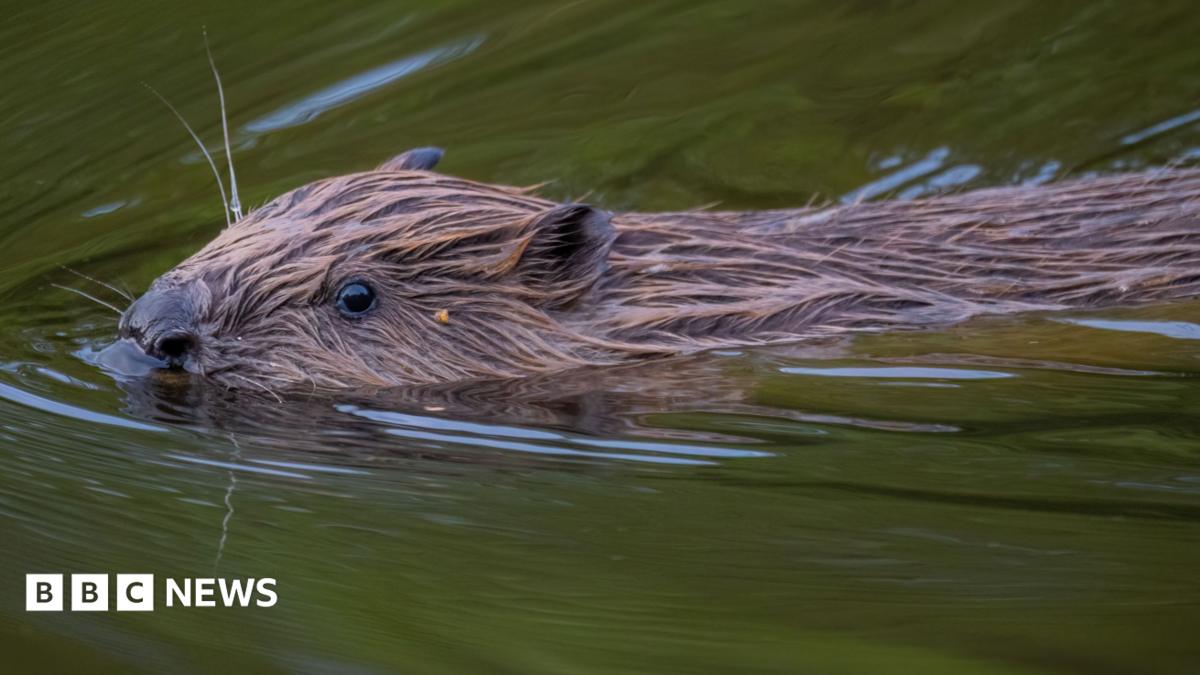
NatureScot’s Robbie Kernahan said: “Beavers can bring many benefits for nature and people, creating habitats such as ponds and wetlands where other species thrive, as well as moderating water flows in times of flood and water scarcity.”
He said concerns had been raised by land managers and residents through the consultation process, and these would be taken seriously.
Kernahan added: “We have assessed the monitoring and mitigation plans set out by the applicants and believe that, along with our existing beaver mitigation scheme, any potential conflicts that may arise can be resolved.”
NatureScot said any beavers released would be trapped and taken from areas where they were having a negative impact on prime agricultural land and where mitigation measures had not been successful or possible.
The beavers will undergo appropriate health screening before being released.
Alan McDonnell, from Trees for Life, said: “Beavers are key allies in tackling the interconnected climate and biodiversity crises facing us all, so this successful result brings real hope for the future.
“There has been huge interest from communities and local businesses.
“Our engagement has been locally focused, with the team meeting people on the ground to listen to their views first hand.”