
The Royal College of Psychiatrists has expressed “significant concerns” over new protocols to be introduced which will see police respond to less mental health calls.
The second phase of the ‘Right Care Right Person’ initiative is due to be introduced by the PSNI alongside health service organisations from Sunday 1 November.
RCRP is a national programme which changes the way key public services, in particular the police, respond to calls for service.
The new phase aims to deal with concern for welfare calls, which may relate to physical or mental health, social welfare, safeguarding or a concern that someone may be at risk of harm.


The PSNI respond to over 35,000 such calls annually but say in many cases they are not the most appropriate service to provide the care or support that a person needs. The changes will see more calls being directed to health professionals rather than police.
However, the umbrella group representing psychiatrists in the north says mental health services in the country are in “crisis” and raised concerns that the rollout of a similar programme in England has led to many experiencing mental ill health not getting the treatment they need.
“While we support the underlying principles of Right Care, Right Person (RCRP) and welcome the PSNI’s engagement with a range of stakeholders in preparation for its roll-out, we have significant concerns about the readiness of the wider health and social care system for the planned first phase on 1 November,” said Dr Richard Wilson, Chair of the Royal College of Psychiatrists in Northern Ireland.
“In England, the introduction of RCRP has been variable in terms of how effectively it’s been implemented by local police, health and other relevant services. As a result, far too many people experiencing a mental health crisis have not received the support they need.
“We agree that people experiencing mental health crises should receive timely care from appropriate health professionals.
“However, we have concerns about a protocol that dismantles the police safety net before a robust, agreed and adequately resourced healthcare safety net is operational.
“Police involvement must remain available where there is a risk of harm and no one experiencing a mental health emergency should fall between services or face delays in receiving help.”
Dr Wilson also called on the Stormont executive to “urgently provide mental health services with the resources and funding required”.
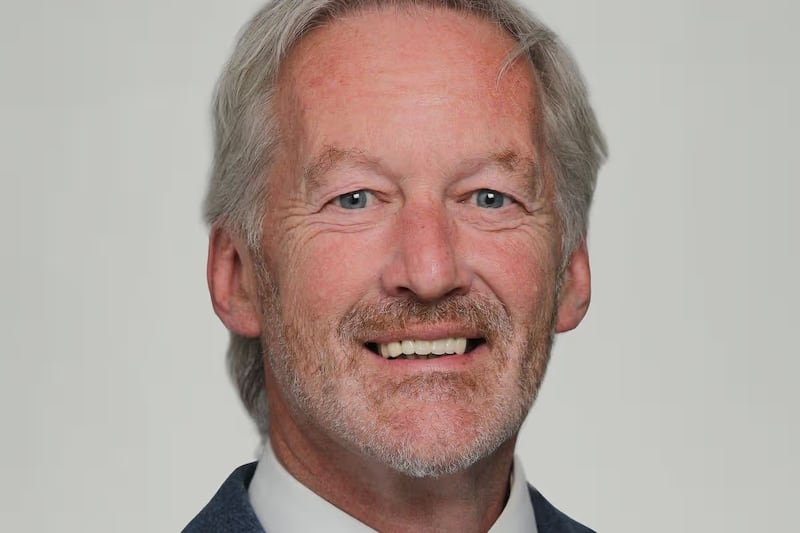 Dr Richard Wilson, chair of the Royal College of Psychiatrists in Northern Ireland
The PSNI has said the new protocol will be a major change for its officers and staff, but denied accusations that it was “walking away” from mental health incidents.
Assistant Chief Constable Ryan Henderson said: “Not all welfare concerns require police and stage 2 of RCRP will see PSNI no longer attending those concern for safety calls which do not meet our thresholds. We will instead be signposting to other agencies.
“However, I want to be very clear, the PSNI are not walking away from all health or mental health incidents. There will continue to be circumstances in which PSNI is the appropriate service to respond, including where a crime has been committed or there is a real and immediate risk to life or serious harm.
“This will be a significant change for police officers and staff, health colleagues and for members of the public. However, I am confident that we are well prepared to manage this change effectively.”