
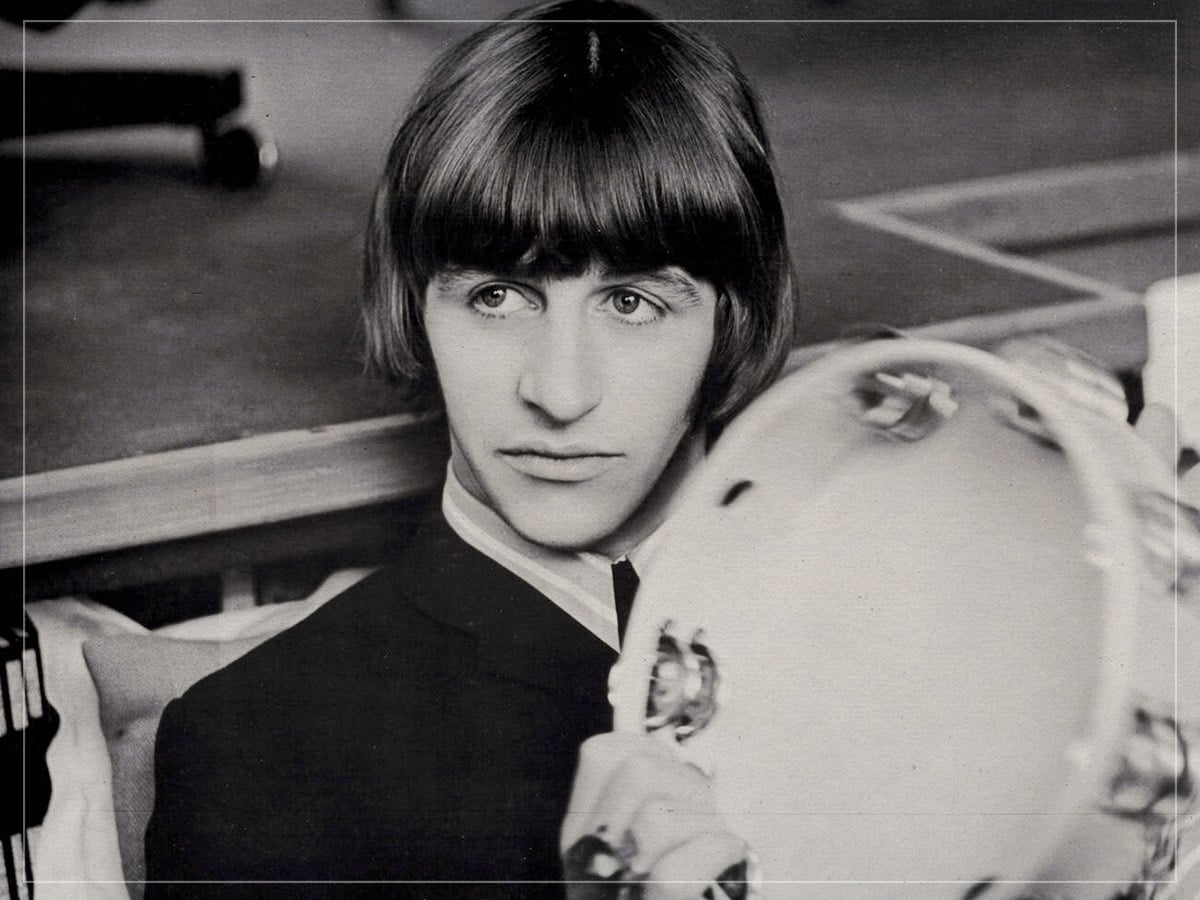
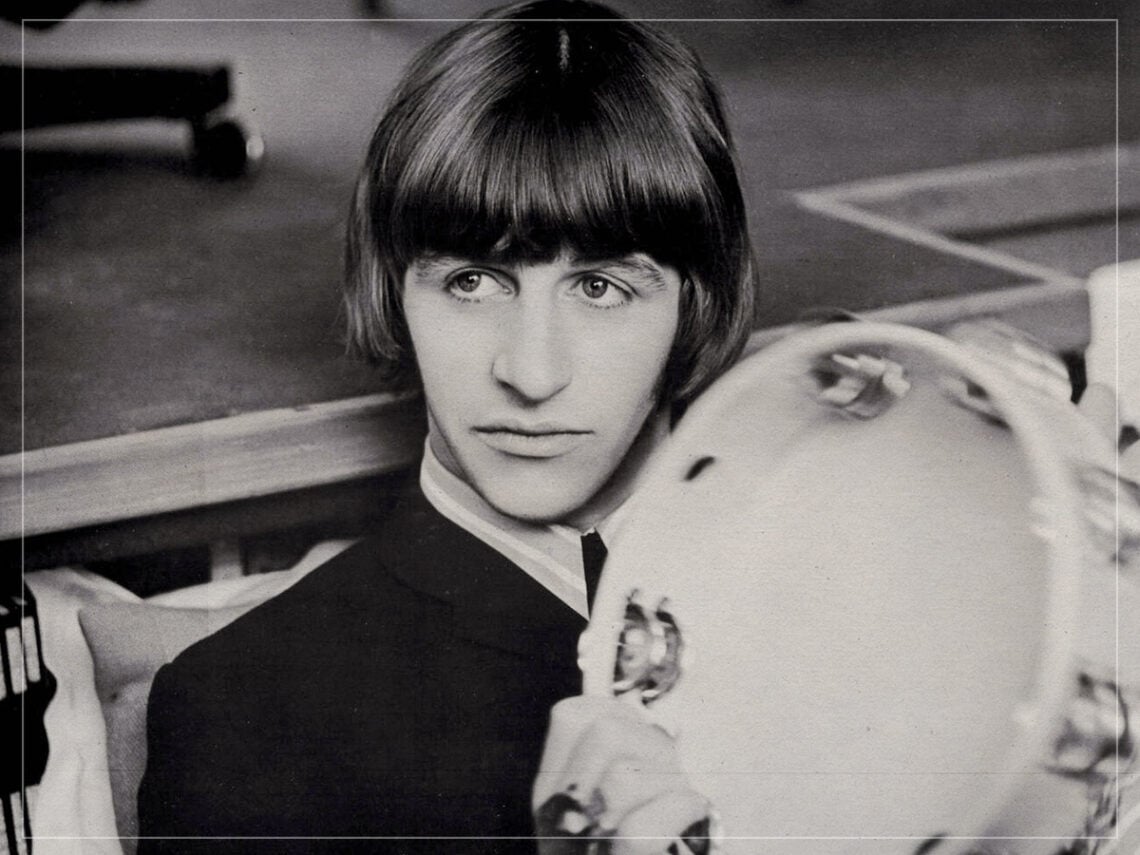
Credit: Far Out / Alamy
November 3rd, 2026 · 3:00pm GMT
Standing on the cold rooftop of London’s Apple Corps headquarters, a select group of lucky punters and policemen gathered round to watch The Beatles play their last-ever gig in 1969. They may not have known it right there and then, but they were witnessing history.
It was a relatively muted end to a career that gave so much to the world, and surely if the world had its way, that wasn’t how The Beatles would have bowed out. Nevertheless, it was, and fans had to reckon with the fact that the greatest band to ever do it were leaving at what many would have considered their peak.
At the same time, the vibrant counterculture that ran alongside the trajectory of this iconic band was similarly peaking in its impact. By 1969, the free love era was in full swing and live music was an absolutely integral part of that movement, nowhere more so than at Woodstock. That pilgrimage of liberal thinking took place in the same year as that fateful London gig, but in wildly different circumstances.
In the mud and rain of an American summer, roughly half a million people journeyed to the small town of Woodstock to give weight to this liberal social resistance, soundtracked by some of the best artists on the planet. Crosby, Stills, Nash and Young, Joan Baez, Sly and the Family Stone, The Who, Jefferson Airplane and Creedence Clearwater Revival were just a handful of names who played over the weekend, contributing to a storied legacy that still hasn’t been topped in terms of mythology.
But no matter the size of the individual names, the festival and the sentiment behind it all made it bigger than the actual artists playing. They were merely contributors to the wider goal of liberation, and that included Jimi Hendrix, who by 1969 was one of the greatest artists of all time. Of all the musicians on the bill, his performance was perhaps the only one in danger of overshadowing the event.
“If you were there, you have memories of it,” Ringo Starr said of the event, partly filled with envy for his own stardom preventing him from setting foot on the premises. And what he saw after the fact, particularly from Hendrix, stuck with him enough to regret that absence. He added, “We weren’t there, but Jimi Hendrix, man! A lot of magical musical moments happened, and afterwards they’re still with us.”
The Beatles could have capped off their career with one more show, at Woodstock instead of London’s damp rooftops. It would have been a truly fitting end to a glittering career and, even if it threatened to overshadow the festival, would have been undeniably iconic for all involved.
Further reading: From The Vault
“I think afterward we regretted it,” Starr continued, “which you always do.”
The band bowing out at the most talked-about musical event in history would surely have made a great story. But really, there is charm in the fact that The Beatles didn’t realise that rooftop gig would be their last when they played it, and concluded a truly epic career with an ironically modest finish.
ADD AS A PREFERRED SOURCE ON GOOGLE  The Far Out Beatles Newsletter
All the latest stories about The Beatles from the independent voice of culture.
Straight to your inbox.