
Credit: Far Out / YouTube Stills
November 5th, 2026 · 8:00am GMT
When a new decade rolls around, you often find yourself entering it with a mixture of excitement and apprehension as to what’s in store for you. When it comes to the emergence of new trends in music and the arts, there are always bound to be some trailblazers who are actively looking for ways to inject new life into genres in need of rejuvenation.
The 2000s, however, seemed a little different. Not only had we collectively started living in a time where the year didn’t begin with a one, but the world around us had already begun to show signs of changing rapidly to the point that there was a genuine fear that we might require some form of societal reset.
The genuine fear over the ‘millennium bug’ wiping out all computer systems as the clock struck midnight on January 1st, 2000, caused people to treat all technological developments with scepticism, and the unfolding of events that led to the Global War on Terrorism made for an uncomfortable ride into the unknown.
Perhaps what people genuinely craved was something that embodied a no-nonsense attitude and outlook; something that felt creatively urgent, yet was unabashedly unbothered by the way in which it presented itself.
Indie rock had inexplicably become a mainstream phenomenon, but the trouble with it was that so many of its most prominent exponents had become obsessed with crafting a carefully curated image for themselves or were beginning to serve as mouthpieces that voiced their concerns about the societal shifts we were universally experiencing.
Step forward The Strokes; a band whose modus operandi was to emulate the coolness of New York City’s underground from its heyday of the CBGB and Max’s Kansas City, where coolness was measured by its contempt for conformity rather than carved out of a concerted attempt to appear invested in garnering mainstream attention. Of course, many bands who emerged as the heroes of this scene back in the 1970s would go on to become renowned around the world, but they would ultimately not have cared had they remained cult heroes.
 Credit: Roger Woolman
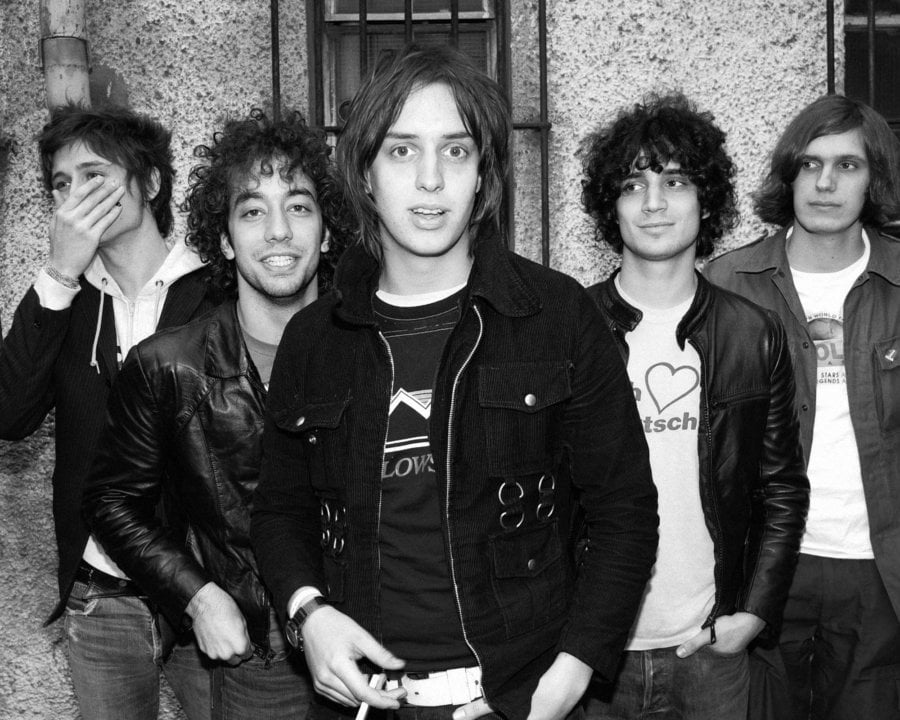
The Strokes had started turning heads with their effortlessly cool presentation well before they released their 2001 debut, Is This It, thanks to gigging continually in NYC’s hottest, grottiest clubs. This worked in their favour in terms of accruing respect and acclaim for their work, but also prompted the industry to make demands of them that they initially resented.
In fact, when it came to promoting one of the album’s singles, ‘Last Nite’, they even refused to appear in a music video, and it wasn’t until director Roman Coppola twisted their arm that they eventually agreed to participate. In the end, it captured their live esteem up until that point.
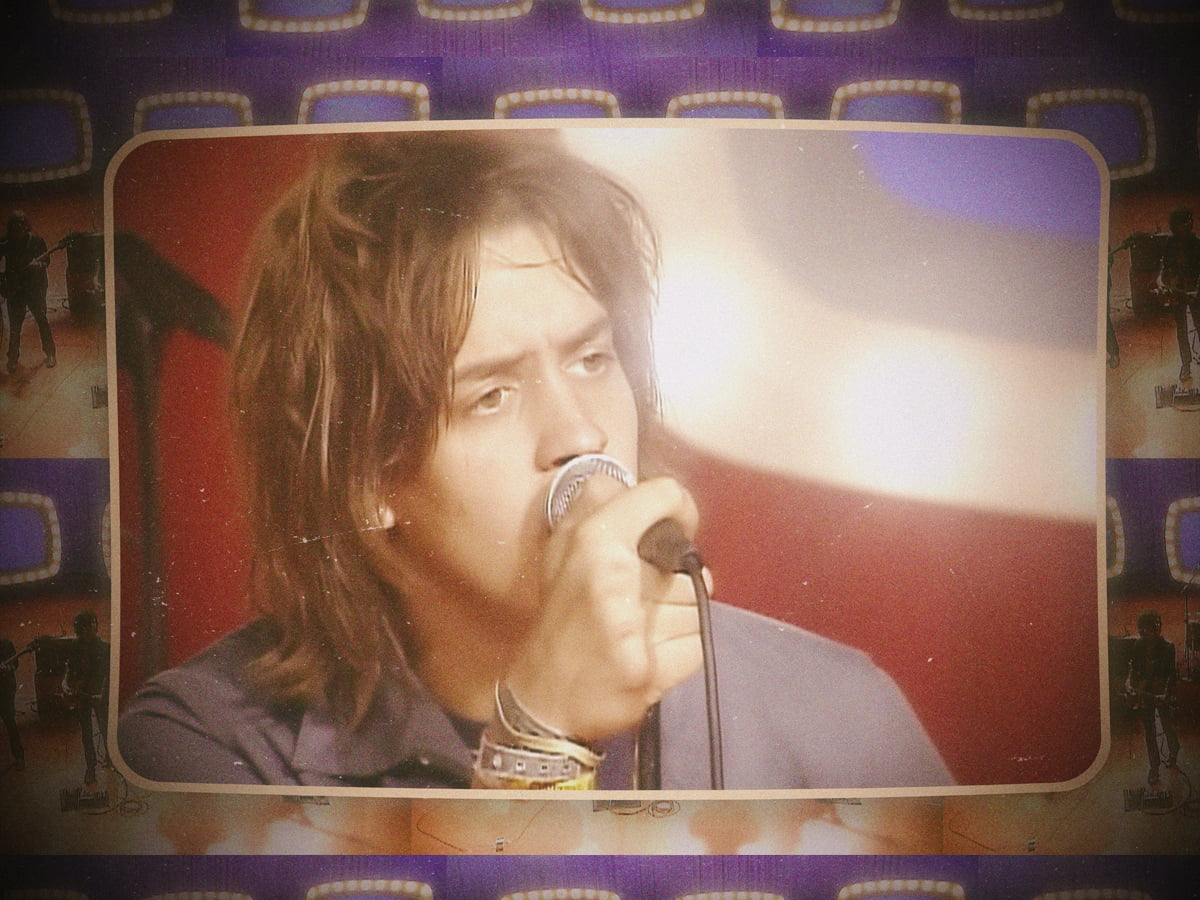
Consequently, this is why the music video for ‘Last Nite’ is as basic as they come. The band perform the song in a live television studio, and don’t seem to care one iota about being there. Frontman Julian Casablancas looks mentally absent from the situation; his hair rugged and stare vacant as he becomes increasingly restless and stumbles around the room.
Drummer Fabrizio Moretti inadvertently knocks over a couple of the overhead mics before the final chorus. Guitarist and bassist Nick Valensi and Nikolai Fraiture both stand stoically as they play their respective instruments. Only Albert Hammond Jr looks remotely invested in being on set, as the ramshackle shoot proves to be the last place they want to be.
Absolutely no part of this sounds remarkable in any way, and yet, all of these tiny details in what is a fairly nondescript music video are burned into the memories of anyone who watched MTV in the early 2000s. Upon its late 2001 release, the video received significant airtime across the brand’s television channels, and remained a staple for years afterwards. By doing next to nothing and actively having to be persuaded to play a part in promoting themselves to the world, The Strokes had become a sensation.
The group may have only been reluctant stars at first, given how they eventually settled into their status and have grown to embrace being regarded as icons, but by refusing to give their audience what they assumed they wanted, the band inadvertently ended up giving them exactly what they desired most: a no-nonsense video for a no-nonsense song. The 21st century had immediately presented itself as a chaotic new era, and The Strokes were a refreshingly ordinary antidote to it.
The shabby setting and decidedly non-HD aesthetic of the video harked back to the ’70s. Rather than seeming like dated nostalgia, this spoke to a new world of ‘indie chic’ where a lack of polish promised authenticity and an air of indifference, ironically, felt like an artful, integral middle finger to commercialism. Clearly, that still connects.
