
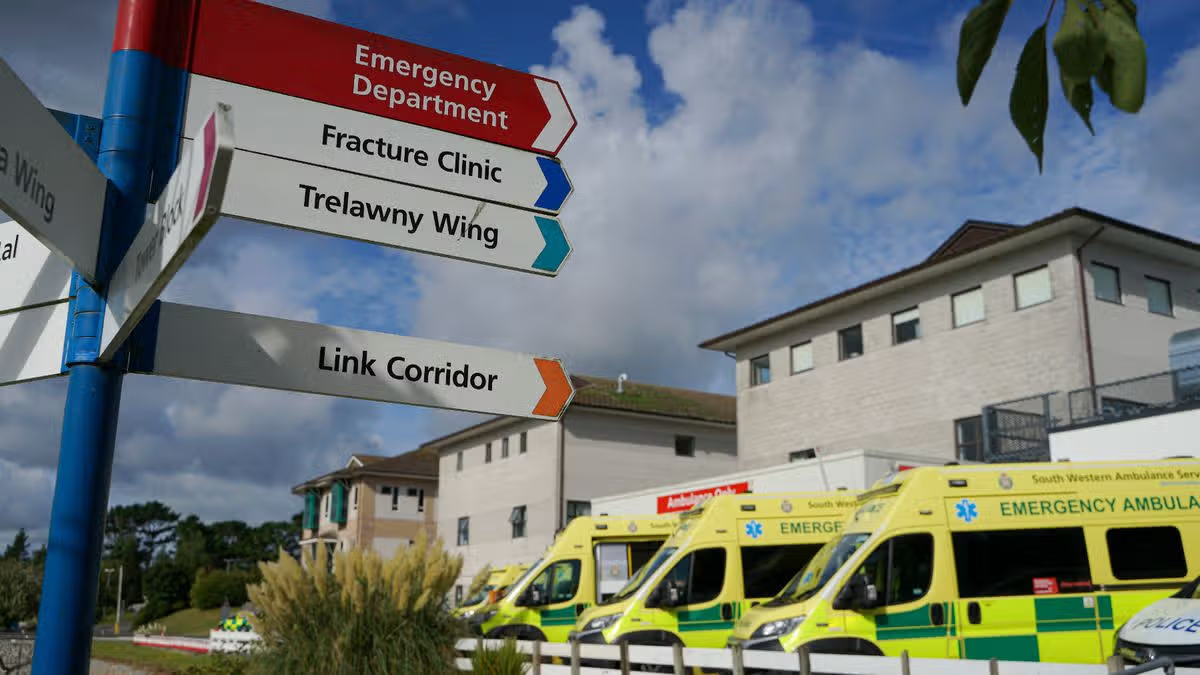
Changes at Cornwall’s largest hospital have been so broad that some staff have arrived at their newly-allocated departments only to discover that nobody was expecting them, it has been claimed. A year ago the Royal Cornwall Hospitals Trust (RCHT) announced a period of consultation with some of its frontline staff including ward matrons and nurses with a view to saving £49 million.
At the time the trust said the proposals had identified the potential to reduce the number of whole-time equivalent administration posts from just over 600 to around 450. Two weeks later it was administrative staff who were told hundreds of them will lose their jobs in the run up to Christmas.
At the time RCHT – which runs the hospital at Treliske, Truro, St Michael’s Hospital in Hayle and West Cornwall Hospital in Penzance – said it was under pressure to deliver “necessary financial savings” which is why the cuts are necessary.
The trust said the aim has always been to “modernise our services so they can better support our clinical teams and the care we provide to patients and at the same time, create rewarding roles and career pathways for our administrative teams”.
In March, a staff survey revealed that a majority of employees would not recommend RCHT as a good place to work, with the trust coming fifth from last in England for staff satisfaction.
Don’t let an algorithm decide what news articles from Cornwall you see – click here to add CornwallLive as your preferred Google source.
As CornwallLive reported last month, low morale and staff leaving the hospital have continued to be an issue ever since.
The insider who highlighted how low morale is at the trust, said “many of the concerns raised by staff throughout the consultation process have now materialised”.
They said some of the 100 or so affected staff have been arriving at work not knowing exactly where they are supposed to be working, what their responsibilities are or who they are reporting to.
“Some colleagues have arrived at their newly allocated departments only to discover that nobody was expecting them,” the insider told CornwallLive. “People have been moved into completely different services and unfamiliar roles, in many cases without any appropriate training, induction or development plans in place.
“Some have been allocated positions in areas they did not express an interest in and have little or no previous experience of working in.”
The insider added: “This raises very serious concerns about patient safety, service continuity and the ability of staff to carry out their responsibilities safely and effectively. Moving large numbers of experienced employees into unfamiliar environments without adequate preparation, training or support is not simply an issue of staff dissatisfaction. It has the potential to affect the quality and safety of patient care.”
RCHT said it recognises that “change on this scale can be challenging and we will continue to listen to colleagues and address concerns where they are raised”.
They added: “At the same time, we have a responsibility to modernise our services, and we are confident these changes are the right thing to do for our patients, our colleagues and the long-term future of our clinical administration services.”
The insider said there had been virtually no communication from management and when staff have tried to seek clarification about their new roles they received no responses.
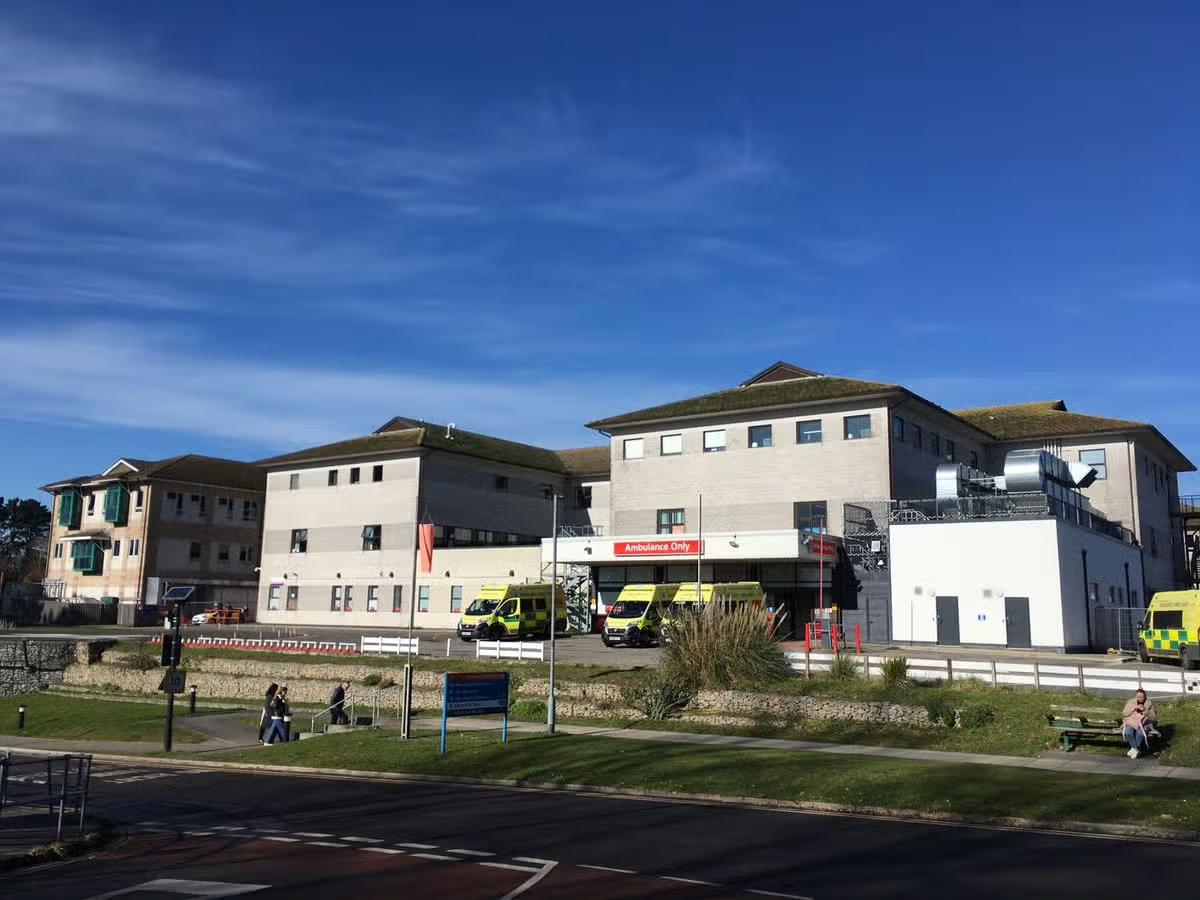
File picture of the Royal Cornwall Hospital in Truro(Image: Copyright Unknown)
They added: “People are left feeling completely unsupported, uncertain about their responsibilities and unsure where to turn for answers.
“The impact on staff wellbeing is also becoming increasingly apparent. Sickness absence has increased further this week, against an already concerning background of stress and anxiety throughout the workforce. Morale is exceptionally low, and the emotional impact on people who have dedicated many years to the NHS should not be underestimated.
“What is particularly frustrating is that staff raised concerns throughout a consultation process that lasted more than a year. There were opportunities to listen, address potential problems and ensure that implementation was properly planned. Yet we now appear to have a situation where significant changes have been implemented without the basic arrangements being in place to support the people expected to deliver them.
“At what point does the organisation acknowledge that the implementation has not gone as intended and that urgent action is required?”
They added it is time hospital bosses take stock, pause and “review the consequences of these changes and consider whether returning people to roles and services where they have established experience and expertise is necessary while a more appropriate plan is developed”.
The insider said: “There needs to be an honest acknowledgement that this process has caused considerable damage to staff morale, confidence and trust in senior leadership. Rebuilding that trust will require more than another restructure, another set of management meetings or further assurances. It will require listening to staff, taking responsibility and demonstrating that their experience and professional knowledge genuinely matter.
“The NHS in Cornwall cannot afford to continue losing experienced, committed people. We should be investing in our workforce, developing managers, improving processes and supporting staff to do their jobs effectively, rather than repeatedly moving people around and expecting services to somehow absorb the consequences.
“Ultimately, we all want the same thing: safe, effective patient care delivered by people who feel valued, supported, properly trained and confident in their roles. At present, I am deeply concerned that the restructure has moved us further away from that objective rather than closer to it.”
The topic of of organisational change programme was mentioned at today’s RCHT board meeting on Thursday (November 5).
The report mentions that “all staff have been offered individual one-to-one meetings as part of the change programme” and recruitment to vacancies has commenced, including supervisory and leadership posts in the new structure.
The report also says: “Some staff have expressed upset and anxiety about the changes, underlining the importance of finalising the moves. Other staff have reported satisfaction with the new positions and pay they will be moving to.”
Don’t let an algorithm decide what Cornwall health and hospital news you see – click here to add CornwallLive as your preferred Google source.
Unison South West regional organiser Charlie Woods said: “Despite withdrawing plans for compulsory redundancies earlier this year, Royal Cornwall Hospitals NHS Trust has still cut 63 full-time equivalent posts through its administrative restructure.
“Experienced staff have been moved out of specialist roles, taking years of valuable knowledge and expertise with them. This is having a serious impact on staff morale and wellbeing, with healthcare workers increasingly worried about what further cuts could mean for their jobs and patient services.
“With the trust facing a £42.5m savings target this year and a further £40m projected next year, staff are understandably anxious about the future.
“Unison recognises the enormous financial pressures facing the NHS, but cutting experienced staff is a short-sighted approach that risks costing more in the long run.
“After more than a year of asking, the Trust has now agreed to involve Acas. Senior managers must now work constructively with staff and their union to find a sustainable way forward that protects jobs, values the workforce and safeguards patient care.”
A spokesperson for the Trust said: “We recognise this is a significant change for many of our colleagues, and that moving into a new team structure or a different role can feel unsettling. We are not aware of large numbers of colleagues who weren’t properly introduced to their new roles and teams and are continuing to work closely with everyone to support their transition; providing training and additional support where it is needed.
“These changes are about improving and modernising the way our clinical administration services support patient care and our clinical teams. They are creating more modern roles, clearer responsibilities and better career and development opportunities for colleagues.
“Like every NHS organisation, we have a responsibility to make the best possible use of our resources and taxpayers’ money, so that as much funding as possible can be focused on patient care. That means being prepared to change how we work and make better use of new technology, rather than continuing with processes simply because that is how they have always been done.
“We are making this significant change without any redundancies. On the contrary, we had a fantastic response to our recent recruitment campaign and have almost 70 new colleagues due to join our teams, while more than 350 colleagues have received an increase in salary as a result of the new structure.
“We know that change on this scale can be challenging and we will continue to listen to colleagues and address concerns where they are raised. At the same time, we have a responsibility to modernise our services, and we are confident these changes are the right thing to do for our patients, our colleagues and the long-term future of our clinical administration services.”
Want the latest Cornwall breaking news and top stories first? Get all the latest stories, sent straight to your WhatsApp – all you need to do is click the link: https://chat.whatsapp.com/CKObHkgJF4T5fRZxiGdYqd
We also treat our community members to special offers, promotions, and adverts from us and our partners. If you don’t like our community, you can check out any time you like. If you’re curious, you can read our Privacy Notice: https://bit.ly/41EZjzx