
Published November 11, 2026 06:30AM
When I was in my 30s—not even my 20s—I could finish a hard ride, hydrate with a couple of beers, refuel with a pizza, and do it all again the next day. I didn’t think a ton about training in general because it was easy. If I wanted to ride faster, I rode more, and I got faster more or less no matter what I did. I even went through a long phase of severely underfueling; I weighed nothing, yet I continued to get faster. Then things changed.
The first place I really noticed it was when I transitioned from outdoor summer riding to indoor winter training. When that happens, I shift from endurance to intensity, and I used to just shrug it off. Surely if I could handle a six-hour outdoor ride on a Sunday, a three-hour indoor ride would be easier, no matter the intensity. Except my mid-week VO2 max workouts suddenly seemed awfully hard, and if I jumped into a Zwift race, it was all I could do just to hold on. Then that same three-hour ride the next Sunday felt awful. Pretty soon I almost dreaded getting on the bike, finding myself dragging to the saddle each evening for whatever workout I had.
The change was aging. One of the more fascinating things about testosterone as a performance-enhancing drug in endurance sports is that it isn’t just about building muscle. It works for performance because it allows you to recover faster and absorb more hard workouts. Guess what falls as you age? Both men and women experience hormonal changes as a result of aging, and reduced recovery capacity is just one side effect. There are plenty of other biological changes, and they all add up to a single reality: you have to start paying attention to a new metric you might never have considered before.
For younger riders, modern cycling technology—head units, smartwatches, and power meters—acts as an accelerator. It is a tool used to chase maximum power output, hunt Strava segments, and push deeper into the red. But to survive and thrive in your 40s, you have to flip that. To keep pinning on numbers and exploring remote gravel roads, your technology must become your brake.
 (Photo: Josh Ross/Velo)
The tech solution
Look, I’m a tech guy. I like “cool” technology and I had smartwatches pretty early on. At some point, I moved to Garmin watches primarily, but I continued to test Google Pixel watches, and for the Apple folks out there, Apple Watches have always been great options. Through most of that journey, though, I wasn’t doing much with those devices. Recovery metrics weren’t important to me because I tracked my on-the-bike performance with my bike computer.
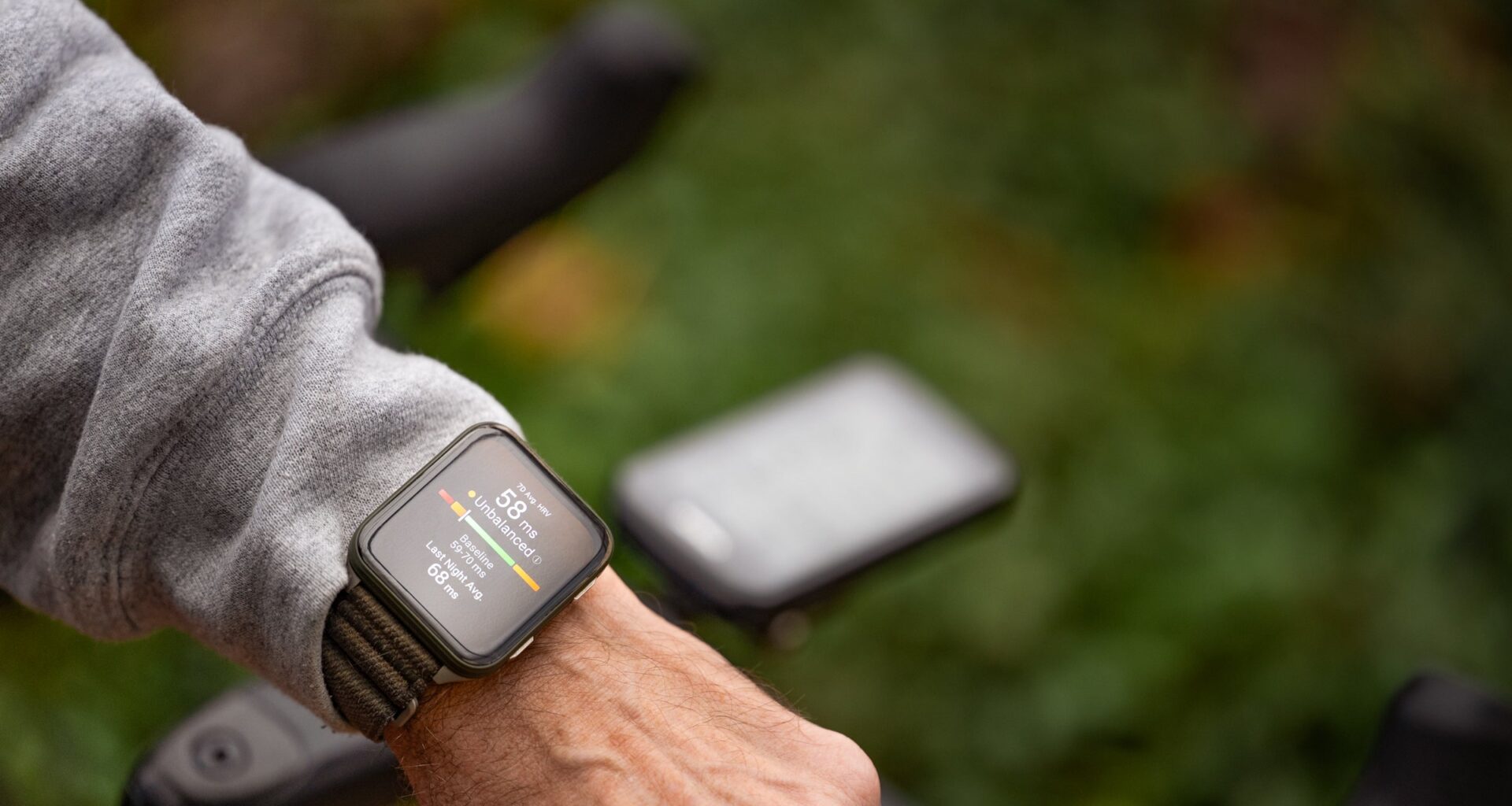
I wore a smartwatch for occasionally tracking a run and because I enjoyed the smart capabilities. Who cares what happened off the bike? I’d ignore the advice to limit Zwift racing because it was fun. If I did three races in a week and sometimes saw my Garmin report that my HRV was unbalanced, I wouldn’t be concerned. But as I got older, I started noticing a pattern. On the days my Garmin told me my Heart Rate Variability (HRV) was unbalanced, my workouts felt terrible.
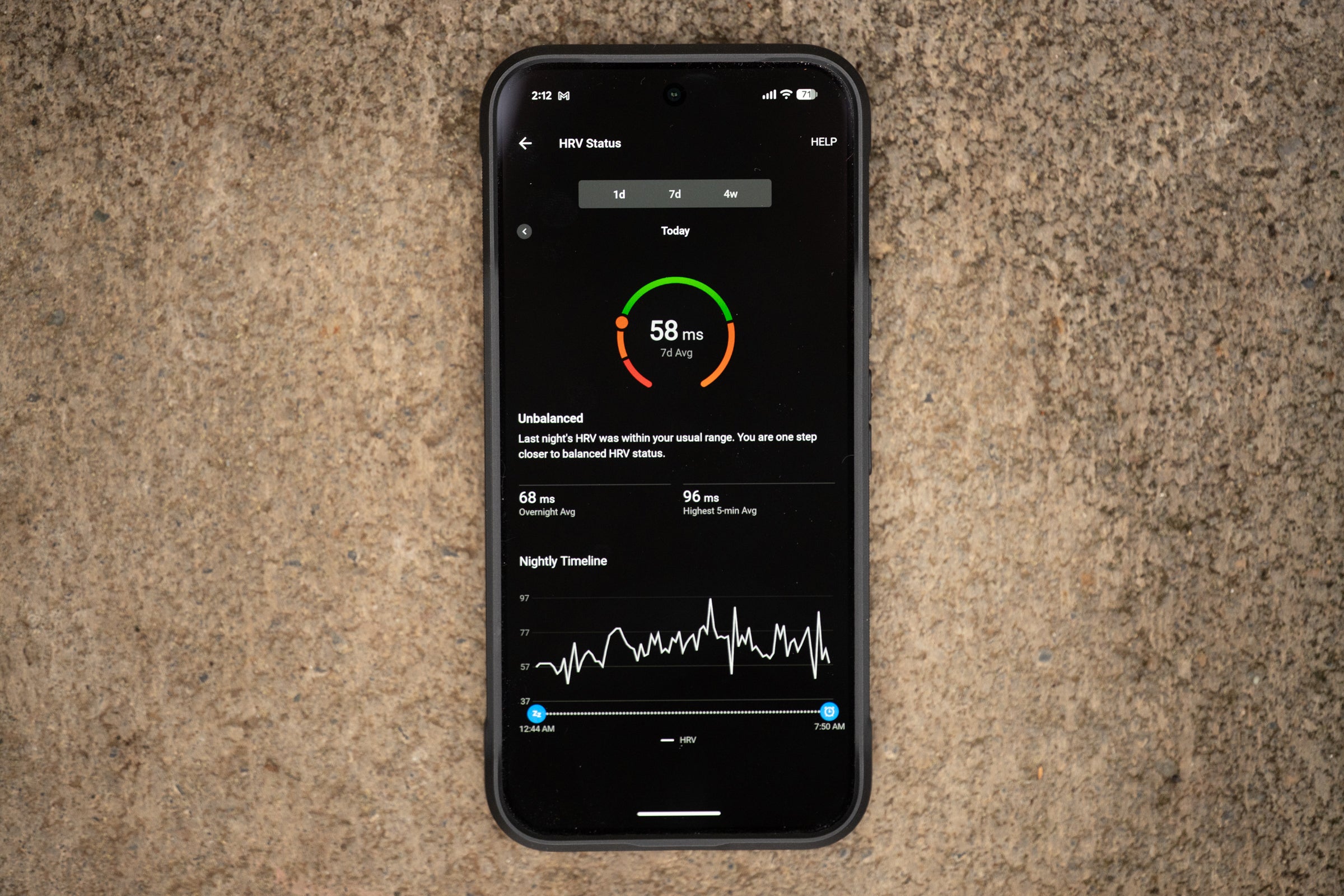 This is not the ideal scenario. (Photo: Josh Ross/Velo)
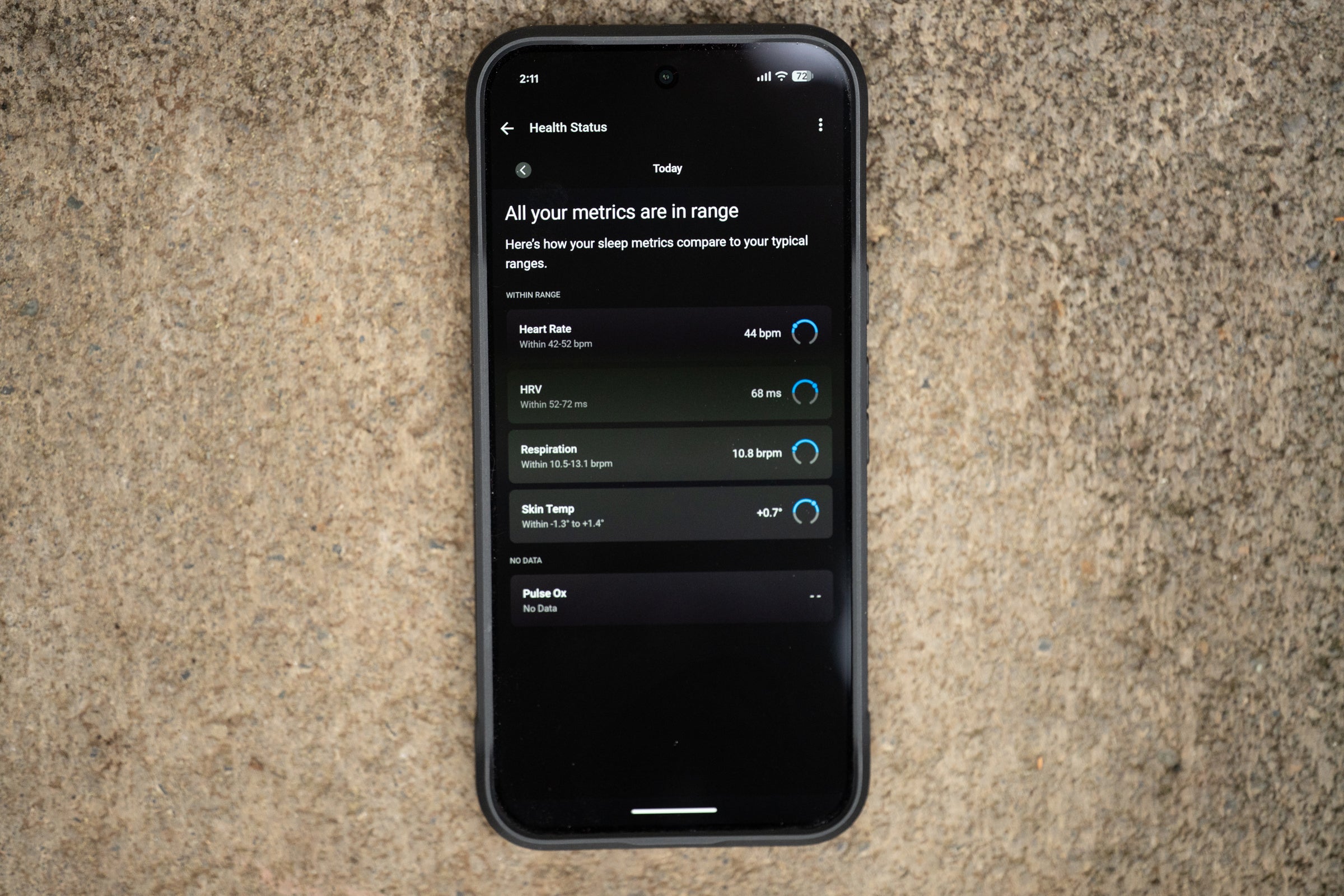
For a lot of people, HRV sounds very abstract. It also seems like something that just happens to you. In reality, it’s your body’s “check engine” light. It measures the microscopic variations in time between your heartbeats. A higher variation means your autonomic nervous system is relaxed, recovered, and ready to perform. A lower, suppressed variation means your nervous system is stressed—your body is fighting off lingering fatigue, poor sleep, or impending illness. Today, whether you are wearing a Garmin, an Apple Watch, or a Google Pixel Watch, they all track this baseline metric while you sleep.
When my HRV was unbalanced, it wasn’t just that the power targets were harder to hit. The bigger issue was that I didn’t want to ride my bike. Riding was always my favorite thing to do, but it was starting to feel like a chore. I’d struggle to motivate, and the slightest excuse became a great reason to do something else instead of whatever workout I had scheduled. If I decided to race anyway, I wouldn’t be able to really dig deep in the key moments, and I’d find myself not having much fun as I got dropped.
Then the even bigger problem was the downward spiral. In my 30s, pushing through was a badge of honor. In my 40s, pushing through a suppressed HRV just compounds the problem. Not only can you not perform your best, but the more you push through, the harder things get. You don’t ever have the capacity to recover.
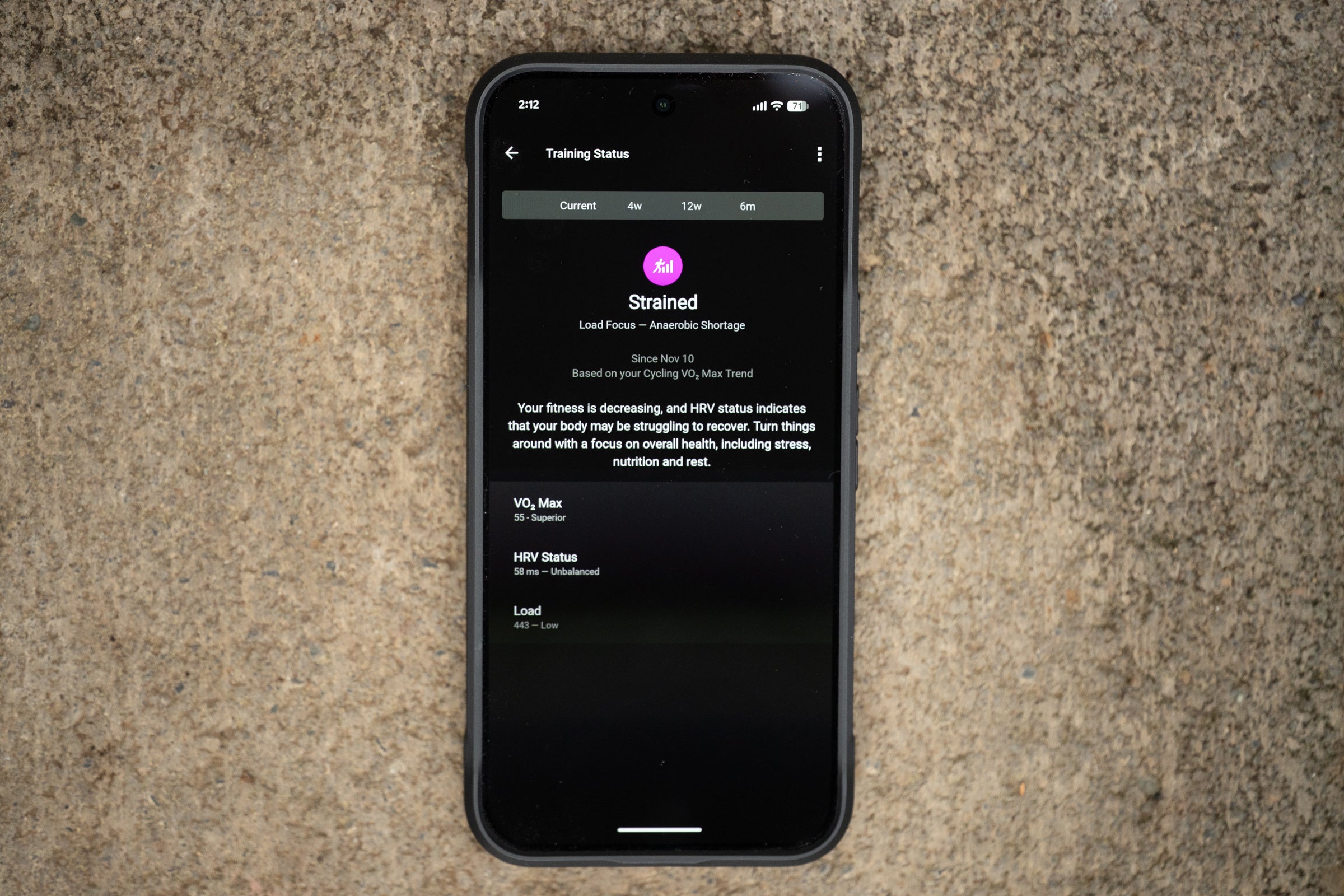 You are going to want to pay attention to signs like this. (Photo: Josh Ross/Velo)
I got to a point where I just thought, this can’t be life. Something has to be wrong if I feel like this. I even went and got checked out by my doctor, but the numbers were all within range. That was when I finally started to pay attention to the metrics I was getting from my smartwatch. Suddenly, HRV wasn’t something abstract; it was very real and very actionable.
That was the turning point. I had to learn to look at my recovery score, swallow my ego, and downgrade a hard interval day to a recovery spin—or take total rest. I learned it takes profound discipline to listen to an algorithm over my own ambition, but preventing that downward spiral is how older riders stay in the game.
 (Photo: Josh Ross/Velo)
You need a real plan
In my 30s, my training plan was effectively nonexistent. If I had to sum it up, the strategy was simply: go hard all the time. Every sunny ride was about hunting for a PR, and I used to go on rides where all I did was mash up and down hills as fast as possible. There was a local hill someone bet me I couldn’t climb in under 20 minutes. I used to ride to the base with nothing held back, absolutely empty the tank up the climb, and then head home after a few minutes of breathing hard. I could shrug off anything.
You can get away with that “whatever, whenever, always hard” approach when your body naturally resets overnight. But as you age, it becomes a trap. Trying to hold onto that carefree adrenaline rush of racing whenever you want just isn’t sustainable.
When you ride too hard all the time, it creates a low-level, permanent fatigue. Not only can you not motivate yourself for a truly hard VO2 max session, but you don’t have the top-end snap to hit the numbers if you do manage to jump on the bike. You end up stuck in a “gray zone” where you aren’t resting enough to recover, you can’t push hard enough to actually get faster, and eventually, you just ride less.
 (Photo: Josh Ross/Velo)
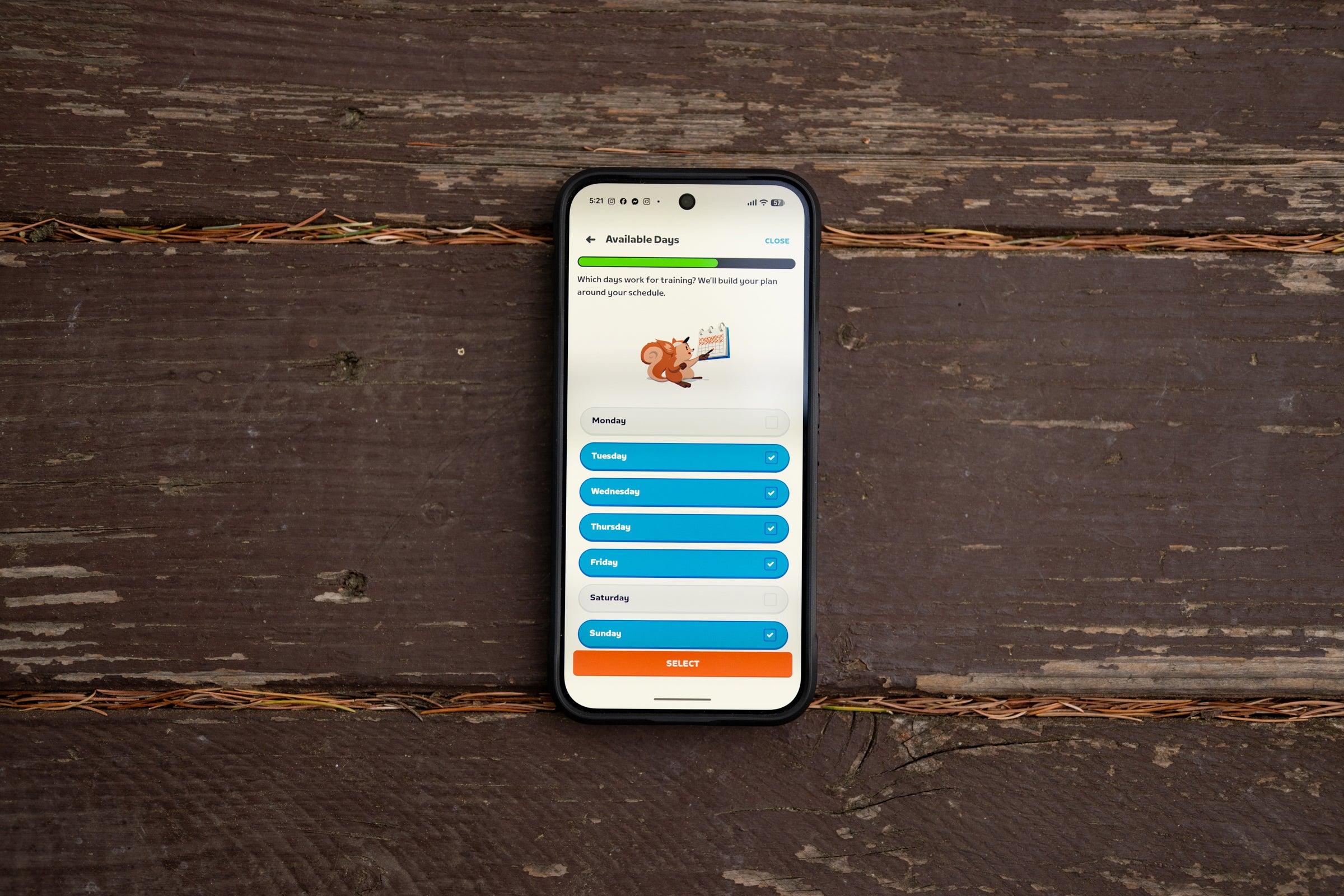
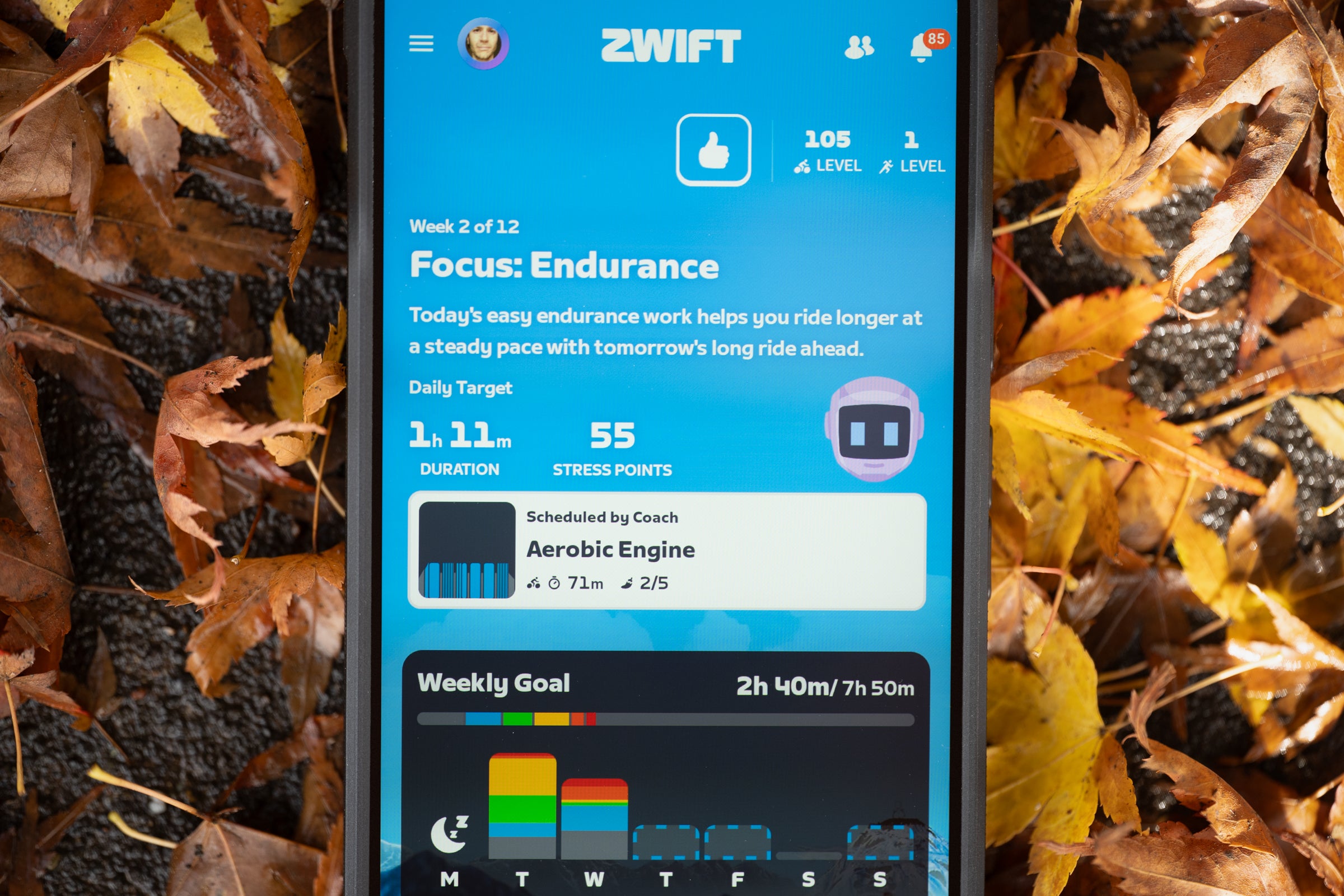
If you want to fix this and continue enjoying bikes as you age, start by being intentional. Choose a quality, structured training plan and actually pay attention to it. Use a power meter or a heart rate monitor and understand that the numbers on your screen aren’t just there to measure your output—they are tools for enforcing boundaries. A plan removes emotion and ego from the equation. It dictates exactly when you need to push to your absolute limit, and more importantly, it dictates when you are required to back off. You simply aren’t above needing a plan anymore.
You aren’t dead, though. When you have a calendar that provides solid structure, you can still push hard. The goal is simply to do it on days when your body is actually prepared for it. If you know today is a strictly low-intensity recovery day, maybe you skip the fast group ride so you aren’t tempted to chase wheels. And sure, sometimes you will want to feel young and smash a climb even though it isn’t on the calendar. But having that overarching structure is what keeps your recovery scores in the green—so that when you do decide to go off script, it doesn’t bury you for a week.
 (Photo: Josh Ross/Velo)
Fueling is important
This is another of those things that you never used to worry about. I used to fuel a century with water and gels, then recover with pizza and beer. That’s not happening for me or you anymore. The training plan is how you start to protect yourself from yourself, but the next step is supporting that plan and, maybe, even building some buffer for when you do decide to go off script.
As I mentioned, in my 30s, I went through a long phase of severely underfueling. I wanted to be as light as possible, and because of my age, I somehow still got faster. Try that in your 40s while following a structured training plan and you’ll quickly find yourself staring at a plummeting recovery score where just moving around in daily life feels hard. Again, the biggest danger here isn’t that you can’t complete an assigned workout. The workout is being assigned to support having fun on a bike. If you don’t fuel properly, you won’t just fail to complete a workout—you might also stop wanting to ride your bike at all.
A big piece of this is that I’ve found that as I age, hydration becomes a huge limiter in recovery, and there’s evidence to support my experience. Research published in “Medicine & Science in Sports & Exercise” highlights how, over time, our natural thirst mechanism becomes blunted. While clinical studies often focus on athletes over 60 where this deficit is severe, the physiological decline begins gradually in middle age. By your 40s, you simply don’t feel as thirsty as you did in your 20s, even when your body is equally depleted. Combine that with a natural decline in the body’s ability to regulate core temperature and retain fluid, and it becomes incredibly easy to finish a ride dehydrated without even realizing it. Because dehydration actively impairs glycogen replenishment and muscle repair, finishing a ride in a deficit guarantees you will wake up the next day feeling destroyed.
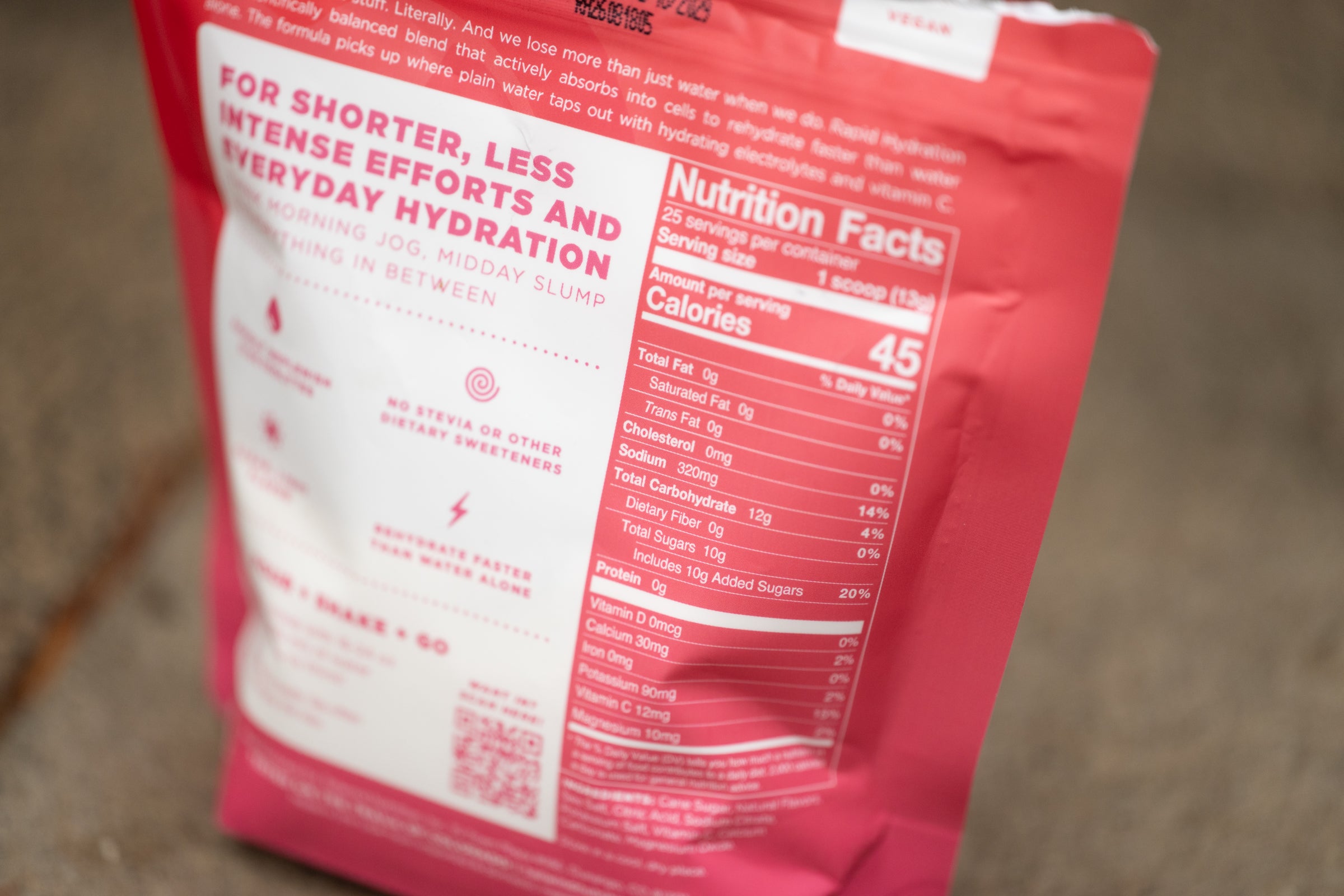 The high salt content is helpful in retaining fluids for hydration. (Photo: Josh Ross/Velo)
That means you need to really pay attention to both fueling and hydration on a ride. You can’t just drink a little water on a hard ride, finish completely empty, and expect to bounce back the next day. You’ll have to experiment with what works for you based on the type of riding, the length, and your preferences, but try not to arrive home starving and overly dehydrated.
Then, when you finish, skip the alcohol that night. Beers after a ride are fun when you are younger, but now you need to really pay attention. If you want to drink, check the recovery metrics on your smartwatch and see if it makes sense. That’s up to you, but I suggest doing your drinking on rest days or recovery days.
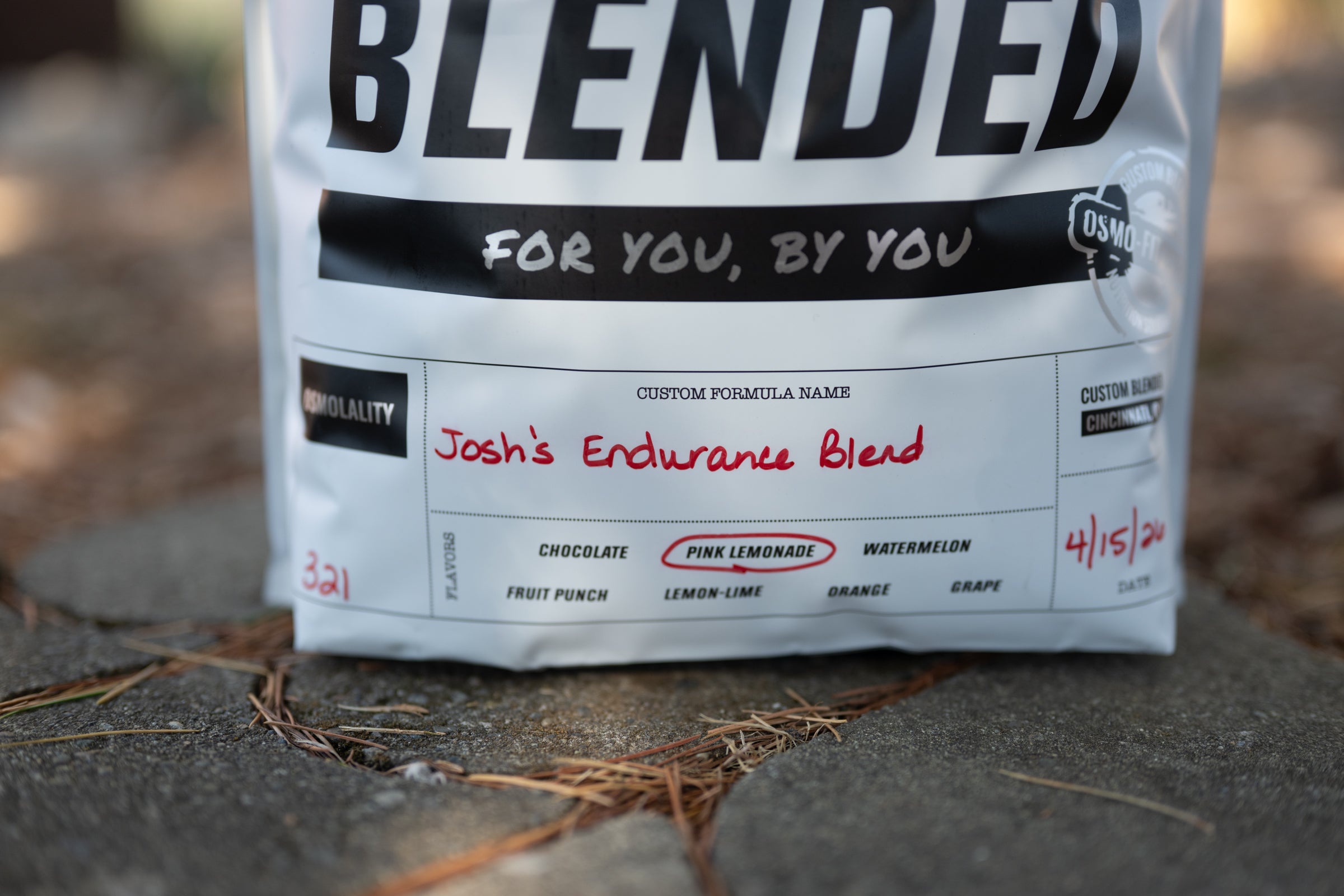
Instead of a beer after a ride, I find the best results come from immediately drinking water mixed with a fairly high-salt electrolyte powder. There are also excellent recovery drinks on the market, but depending on how much you rode and when, you can likely handle the replenishment of calories through regular food. Look to the specialized mixes more if you have to immediately head to work or can’t stomach solid food after a hard effort. Right away, though, get lots of water in, and the salt will help you retain it to kickstart the recovery process.
All of this is important because when you properly fuel the work your plan dictates, something magical happens: you actually absorb the training. You stop carrying that low-level, permanent fatigue and start building a physiological buffer. That buffer means you don’t feel awful and drag to your bike or skip days, but it also allows you to occasionally go off script. You can smash that local climb on a sunny Tuesday, and wake up the next morning without feeling like you’ve ruined your entire week. The plan and the fuel aren’t there to win races (unless you want to); they are there to make sure you never lose the motivation to ride.
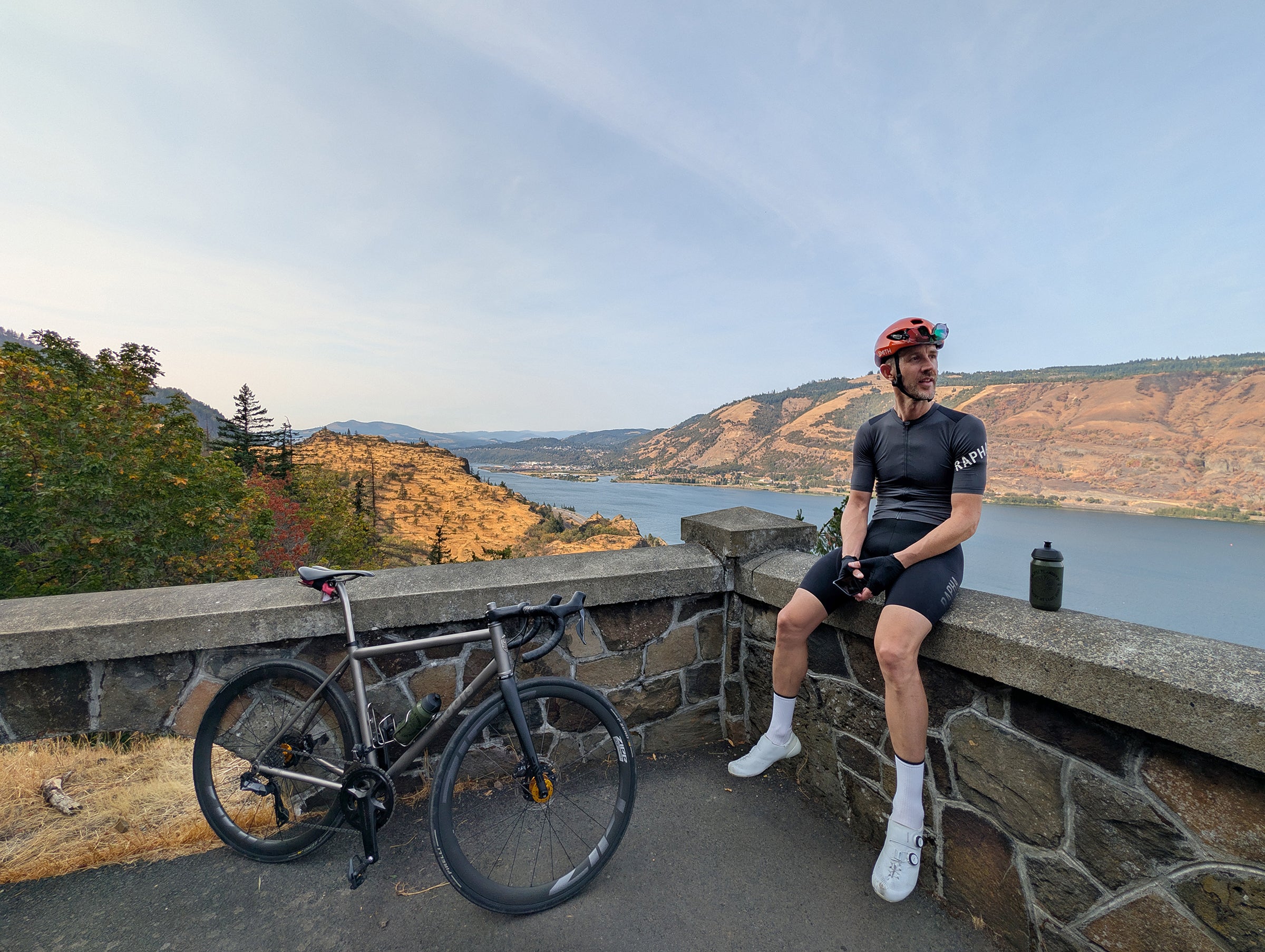 Shot on Google Pixel 11 Pro XL (Photo: Josh Ross/Velo)
Keep having fun
The basic thesis here is that you no longer recover the way you used to. Grab a smartwatch and start paying attention to the metrics. Make sure your bike computer works seamlessly with that watch so you have a full, 24/7 picture of your energy expenditure and your overnight recovery. Use a structured plan—even if you don’t care about being fast—because you need to be more careful about when you decide to dig deep. But above all, remember the goal is to keep having fun.
You might find your rhythm again, but if you are in your 40s trying to ride how you did in your 20s and 30s, it actually kills the joy. If you just ride however you feel, chasing the memory of your younger self, you will eventually feel terrible. My recommendation is that you use your technology to help let you know when to rest, when to hold back, and when to fuel. It takes the guesswork, and the ego, out of the equation.
To be clear, you aren’t doing this to become a slave to your devices, or even necessarily to stand on a podium. The goal is longevity. By treating recovery as an equal partner to your time on the bike, you build the physical and mental buffer required to actually enjoy riding your bike. The worst thing you can do is ride less. These are simply tools to keep you riding as much as you want to.