
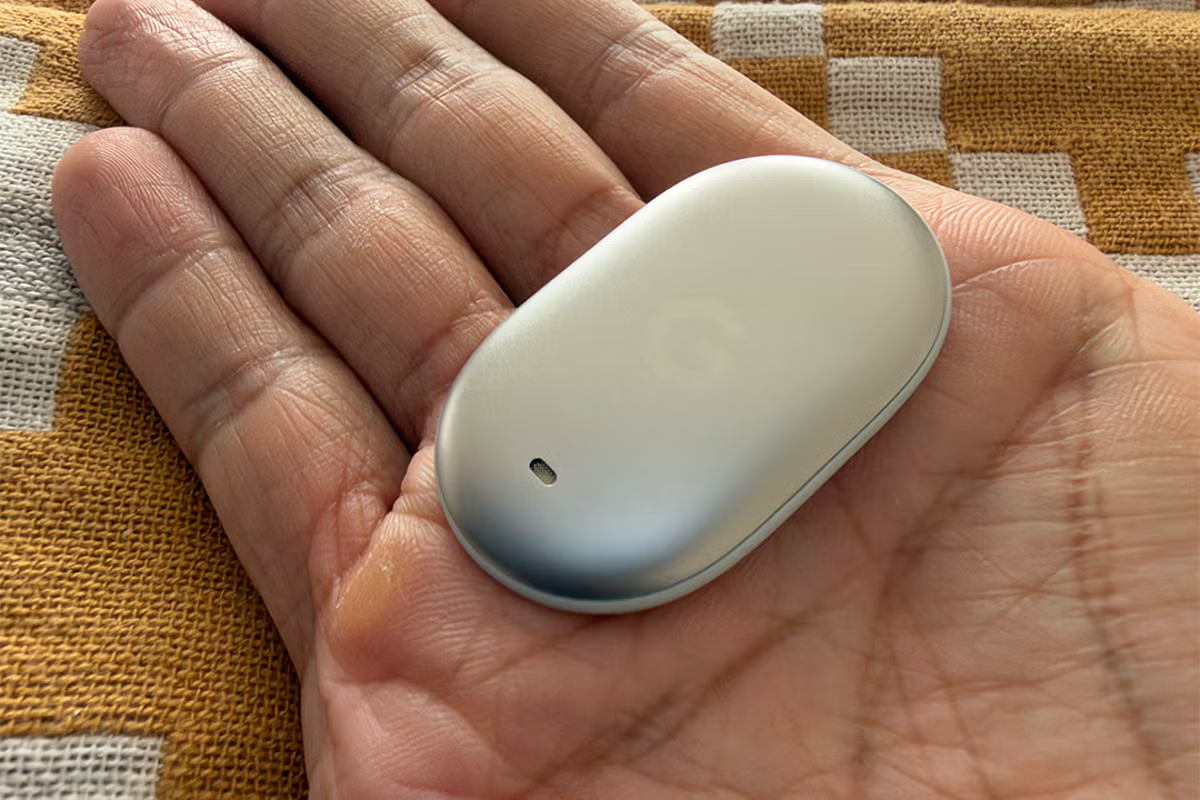
It’s fair to say that those with an Android device have never had a real AirTag equivalent of their own. While Google launched its Find My Device network in 2024, before rebranding it as Find Hub in 2025, years of teething issues have held the network back. Its underwhelming selection of compatible Bluetooth trackers hasn’t exactly helped matters either.
Now, Google has finally put Android users out of their misery with the launch of the Pixel Tag, a first-party AirTag-style tracker. Like the Apple AirTag, it features ultra-wideband technology, meaning you can track your stuff with precise directions in real time. The Pixel Tag also features something called Bluetooth Channel Sounding, a new Bluetooth 6.0 technology that gives you more accurate distance measurements to your items compared to existing Bluetooth trackers, including the AirTag.
Featuring a pebble-like design, I’ll be putting the Google Pixel Tag to the test over the coming days to see if it’s as good as the Apple AirTag. Until then, here’s everything you need to know about the tech giant’s first Bluetooth tracker.
Read more: Best key finders and Bluetooth trackers, reviewed
Google Pixel Tag: £29.99, Google.com 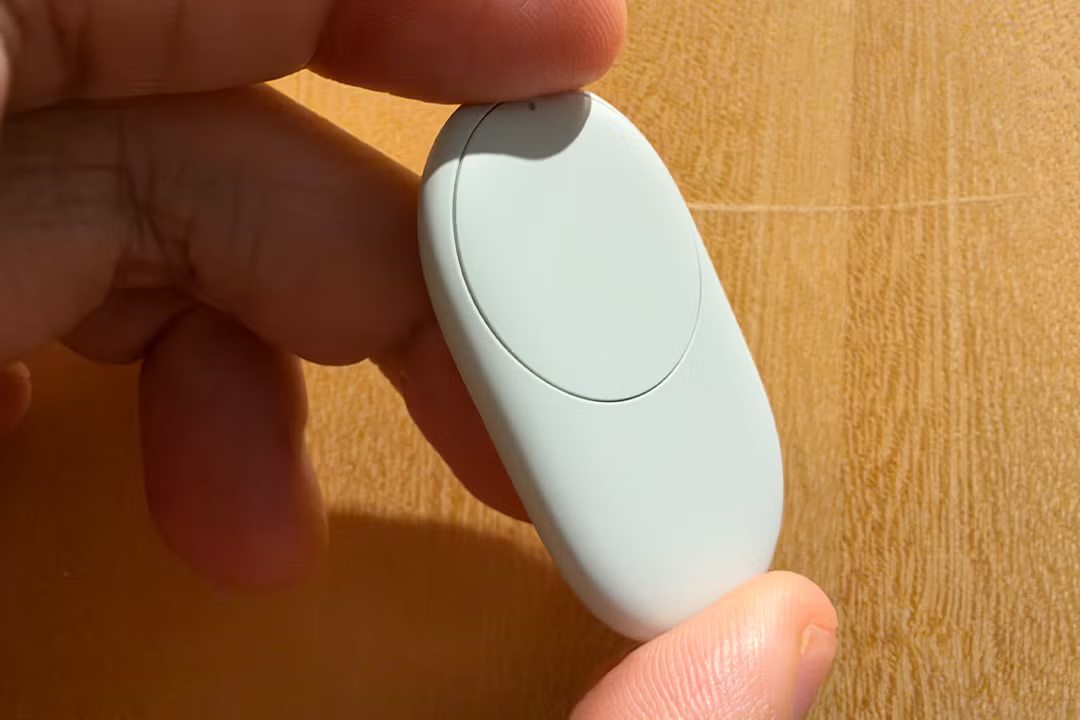 There’s a big button on the rear (Alex Lee/The Independent)
The Google Pixel Tag is the company’s first Bluetooth tracker, and is essentially Google’s answer to the Apple AirTag. It can tap into the more than one billion Android devices on the Find Hub network to help you track down your stuff when it goes missing.
Like the AirTag, it features ultra-wideband technology, giving you precise metre-by-metre directions to your lost item when you’re nearby. Shockingly, this is only the second Android-compatible Bluetooth tracker that’s UWB-compatible (the first is the Moto Tag). The tracker also features Bluetooth Channel Sounding, which uses Bluetooth 6.0 to help determine how far away your lost item is. Google says precision finding works at distances of up to 50m, provided you have a compatible device.
There’s a built-in speaker too, which you can ring from the Find Hub app or by asking Gemini through your Pixel Buds. You can also track down the tag using a Pixel Watch. Google recently introduced new left-behind alerts as well, which will notify you if you accidentally leave your belongings somewhere. Similar to Apple’s AirTag, if you share your keys or luggage with other people, you can share the tag’s location with up to 10 others.
Super skinny, it’s just 5.4mm thick and weighs 11.8g, so it should pop easily into a wallet or purse. Made from polycarbonate and metal, it comes in a single Fog colour and is IP67-rated against water and dust. Annoyingly, there’s no keyring hole, so you’ll have to buy a case to attach it to your things. It runs on the same replaceable CR2032 coin cell battery as an AirTag, with Google claiming it’ll last for more than a year.
One neat feature is the button on the tracker, which can be used to ring your phone if you misplace it but still have your Pixel Tag to hand – something the AirTag doesn’t have.
The Pixel Tag works with Android 9 and later, though you’ll need a compatible UWB-enabled phone for precision finding, or a device running Android 16, as well as Bluetooth 6.0 to take advantage of the newly-added Bluetooth Channel Sounding.
The Pixel Tag is available to buy now and costs £29.99 for a single Pixel Tag or £99 for a pack of four. I’ll be putting it to the test over the coming days, so stay tuned for my full review.