
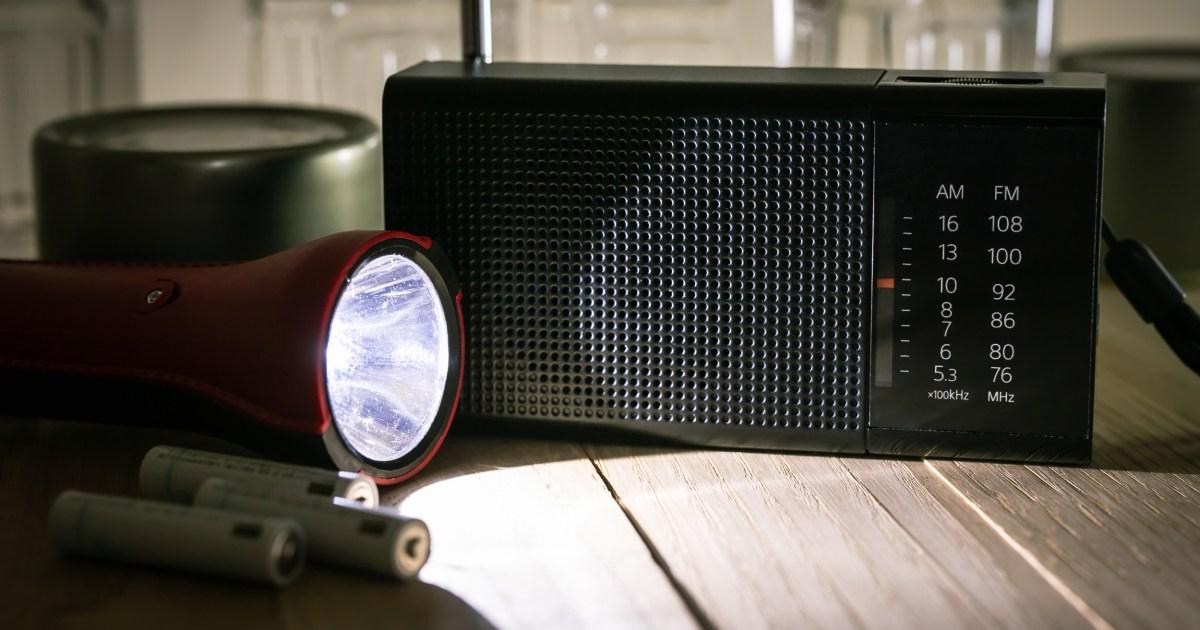
A radio won’t help you communicate with the outside world, but a copper landline would have (Picture: Getty Images)
The UK is preparing for a Black Sky event. This is a days or weeks-long failure of Britain’s electric grid, and other critical infrastructure, triggered by an extreme weather event or a deliberate cyber attack.
This would plunge Britain into darkness, endangering our heating and water supply if it relies on electric pumps. There would be no internet, cash points could fail, shops would close, perishable food would go bad.
Trains would grind to a halt, traffic lights would go out, and the only reliable way to contact loved ones would be copper wire landline telephones.
Despite this, it’s just 79 days until the UK switches off all working copper wire landlines for good. So, if a Black Sky event hits the nation, all communications between your family and friends will cease.
People online were quick to point this out. ‘This is actually crazy because when you lose electricity, a landline will still work,’ wrote one on TikTok.
‘This is going to be a nightmare when people have power cuts,’ said another.
Others said it was ‘dangerous’, having experienced big power outages themselves. ‘I live rurally and after a storm in 2022 (I think it was Arwen) we had no power for five days, so no WiFi and no phone signal,’ they wrote.

In a Black Sky event, it would be hard to communicate (Picture: Getty Images)
‘If we didn’t have a landline we would have been completely cut off from everything.’
Others felt it was slightly more ‘sinister’. ‘This actually feels oddly unsettling,’ someone said. ‘This is so intentionally evil,’ added another.
Ask Metro
Use AI to go deeper into the stories you care about – powered by Metro and trusted publications.
Another speculated: ‘If anything major happens we won’t be able to contact each other.’
The move comes at an odd time, given the government’s Be Ready campaign, which launched in October, warns Brits to have supplies for three days in case of ‘severe weather or cyber attacks’.
The Big Switch Off
Dubbed The Big Switch Off, this will happen at the end of January 2027, and see the network we’ve used since 1876 cease to function.
This is known as the Public Switched Telephone Network (PSTN). It has been the backbone of our home and business communication systems.
Services that will be lost include standard landline telephones and associated telephone numbers, fax machines, alarm lines and door entry systems.
Broadband (provided on a PSTN line) and EPOS Machines (a certain type of cash register) will also fail.
Your other option
While this won’t help to communicate with loved ones who live far away, Darren Rhodes, the 55-year-old founder and lead editor of UK Prepper Hub recently told Metro he advises buying walkie-talkies for an emergency.
The government-recommended battery-powered or wind-up radio may help keep you informed, but won’t help you communicate with other people if mobile networks go down.
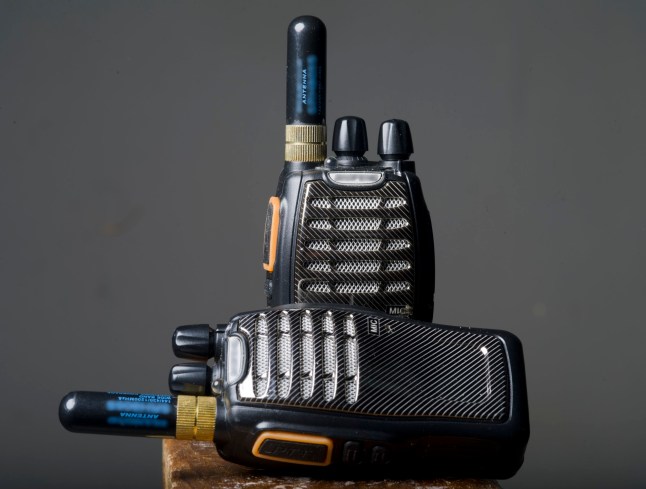
Walkie-talkies will help communications (Picture: Getty Images)
‘A cheap pair of licence-free walkie-talkies lets you keep in touch with a neighbour or a relative down the road,’ he said.
Those available on Amazon typically have a range of up to 5km if there’s quite a clear path, although if it’s a built up area this could go down to 1.5km. You can get a good set for around £25.
The elderly will struggle most
Even without a nationwide blackout, we will see those who are aged 65 and over struggle the most.
According to Age UK, 2.4 million older people have limited use of the internet, or no internet at all. Many online were quick to point out their grandparents relied on copper landlines to talk to them.
‘What about emergencies and elderly people,’ said one. ‘This better be a lie as I won’t be able to contact my nana,’ added another.
‘I work in telecoms and the saddest part is trying to explain this to elderly customers,’ shared one woman.
About 12% of older people – equivalent to 1.6 million, – don’t use a mobile phone at all, which experts say would be a way to communicate if they didn’t fail.
‘While mobile phones may still work, and mobile data may also be available, networks are likely to be at capacity with people trying to reach out to friends and family to check in on them,’ Mayur Jauhari, commercial director at Lebara Mobile UK, said.
‘Your best chance in this scenario is communicating via text, as these are more likely to get through if calls aren’t working.’
Caroline Abrahams, Charity Director at Age UK tells Metro: ‘With only three months to go, the digital landline switchover is entering a critical final phase.
‘Most people have moved over without major problems, but nobody who relies on their landline or telecare should be left behind.
‘Anyone with concerns should contact their provider, but the responsibility cannot rest with customers alone. Providers must not give up on people who have not responded.
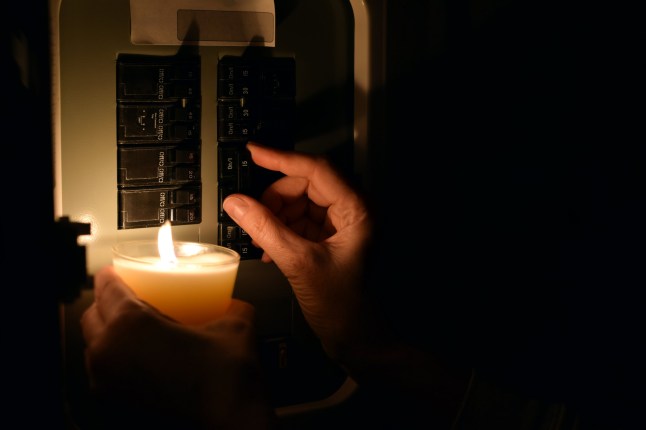
Checking up on the elderly left without power will become much harder (Picture: Getty Images)
‘They need to keep trying to reach them and offer practical, individual support, recognising that some may be unwell, living with dementia, worried about scams or without anyone nearby to help.’
Caroline adds that nobody should be switched to an internet based landline until their telecare alarm – a wearable remote monitoring and personal emergency system that help elderly, disabled, or vulnerable people live safely and independently at home – is confirmed to work.
They also need to be able to contact the emergency services during a power cut, and any battery back-up or other resilience support must already be installed and usable.
So, it’s time to check up on your loved ones and their internet, and maybe invest in those walkie-talkies.
Do you have a story you’d like to share? Get in touch by emailing MetroLifestyleTeam@metro.co.uk
Arrow
MORE: Cold health alerts issued across the UK with temperatures set to dip as low as -5°C
Arrow
MORE: Foreign gangs selling deadly DIY drug kits in UK via TikTok and Instagram
Arrow
MORE: ‘Scandalous’ Tube adverts are making Londoners reconsider their food shop
Add Metro as a Preferred Source on Google
Add as preferred source