
Hywel Dda University Health Board is responsible for hospitals across three counties, and the cost of moving staff around the region can prove very expensive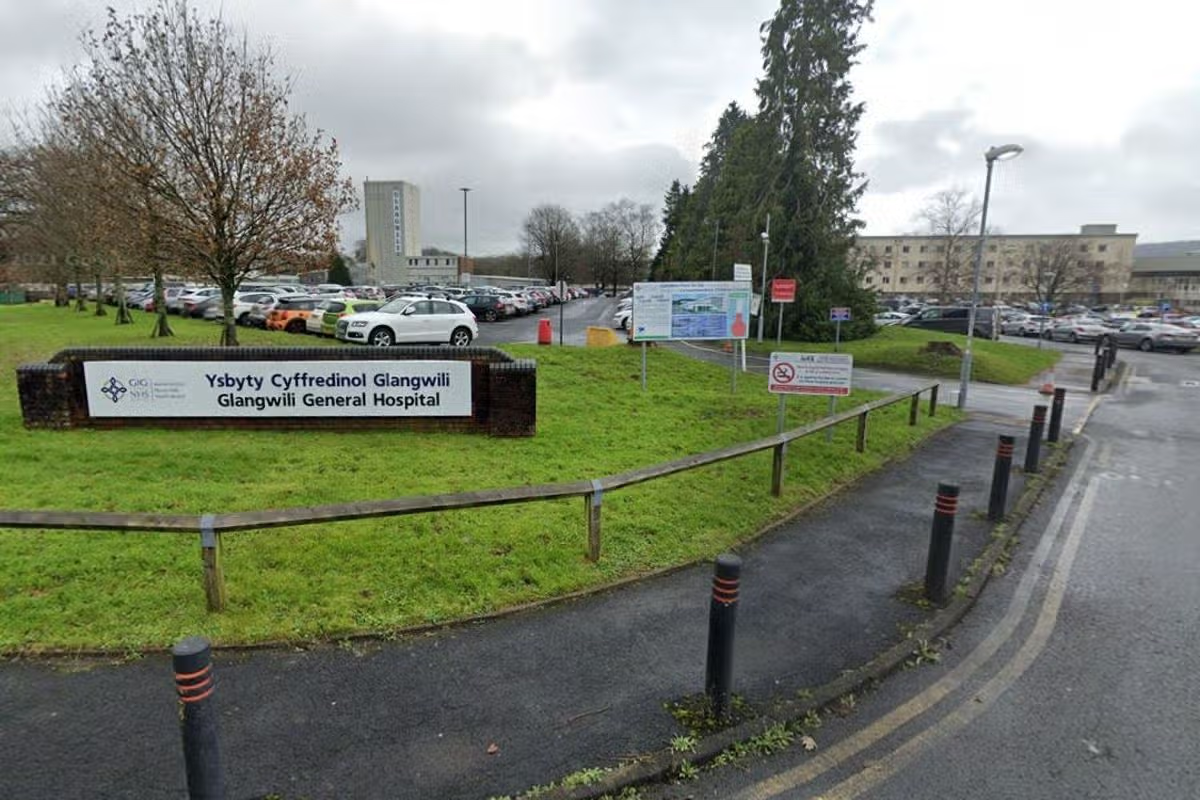
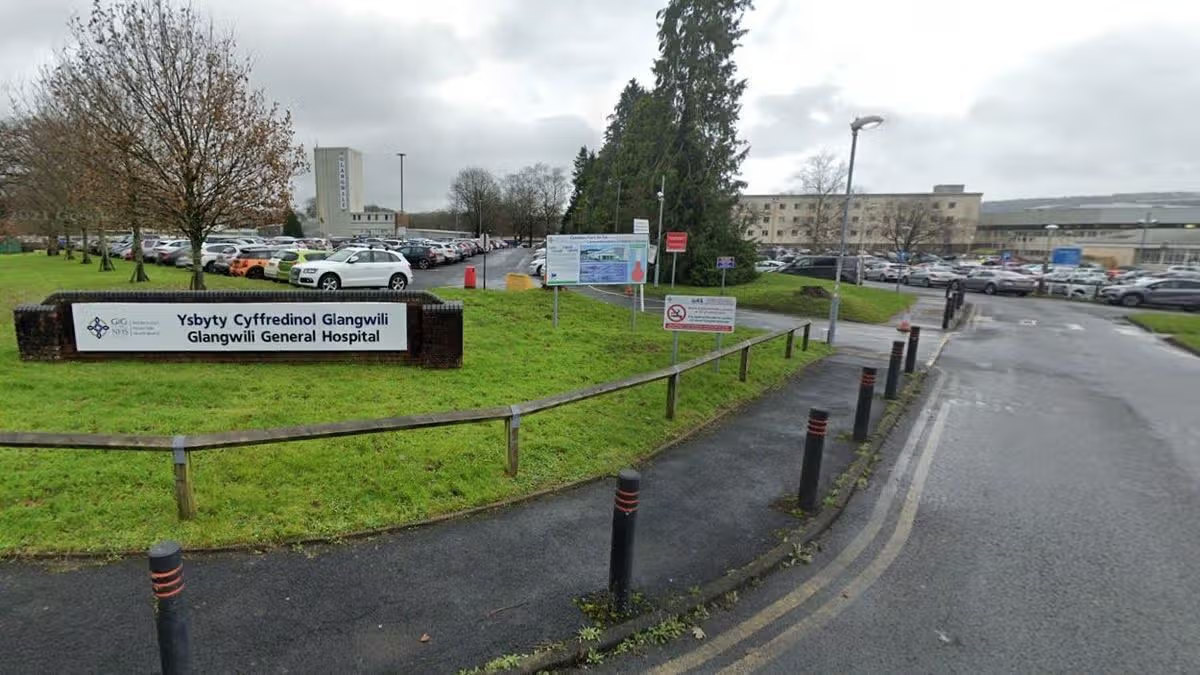
Glangwili Hospital in Carmarthen, one of four main hospital sites run and managed by Hywel Dda University Health Board(Image: Media Wales)
A Welsh health board spent almost £100,000 on taxi fares for its staff in less than two and a half years, it can be revealed.
Hywel Dda University Health Board, which manages healthcare provision across Carmarthenshire, Pembrokeshire and Ceredigion, is responsible for four main hospitals across the three counties.
They are Prince Philip Hospital in Llanelli, Glangwili Hospital in Carmarthen, Withybush Hospital in Haverfordwest, and Bronglais Hospital in Aberystwyth. Stay informed on Carms news by signing up to our newsletter here.
A member of staff at Prince Philip Hospital raised concerns about the number of taxis being booked by the health board to transport its own staff between its hospitals and other sites. In light of this, Wales Online submitted a Freedom of Information Request to Hywel Dda in an attempt to establish how much of the health board’s budget was being spent on taxi services.
We can now reveal that, between April 2024 and August this year, £96,368 was spent on taxis that took staff to alternative work locations.
Between April 2024 and March 2025, £28,276 was spent. Between April 2025 and March this year the amount rose significantly to £60,008. Meanwhile, £8,084 was spent on taxis between April and the end of August this year.
All of this money has not been paid to one taxi firm. Wales Online has been told that the health board uses four different companies to supply transport for staff across the three counties within its region.
Hywel Dda covers a large region, which may go some way to explaining the huge taxi bill.
Travelling between Prince Philip Hospital and Withybush Hospital for example is a round trip of 104 miles. Meanwhile, travelling from Withybush Hospital to Bronglais Hospital and back again is a 126-mile journey.
Hywel Dda has told Wales Online that “work is currently being undertaken to address high levels of taxi expenditure”, but that “certain circumstances are unavoidable”.
The health board added that there are several controls in place to ensure that taxi journeys are necessary and justified, including service manager authorisation prior to journeys taking place, and that the majority of taxi costs for staff are spent on:
getting nurses back to hospital sites from locations outside of the Health Board after escorting patients on an ambulanceconveying nurses between sites to provide cross cover when there are unanticipated staff shortagesproviding transport for medical students or international nurses that have recently arrived in the region and yet to secure their own accommodation or transportproviding transport to doctors or consultants attending clinics in the community where they do not have their own access to transport and public transport would not be suitable
The health board said that all taxi requests must be justified on the basis of “urgency and clinical need” and that “nearly all taxi booking requests are made on behalf of clinical staff (personnel whose duties involve the direct medical treatment, assessment, or personal care of patients) that need to undertake clinical duties at a location other than their base site”.
Andrew Carruthers, chief operating officer at Hywel Dda, said transporting staff between healthcare sites is essential and that the use of taxis is at times “the most efficient” way of achieving that.
“Our health board area is large – about a quarter of the size of Wales – and our colleagues often need to work across different sites to support one another and our services,” he said.
“As a result, some staff travel will always be an important part of how we work.
“It is also our duty to ensure our staff are transported safely from site to site when necessary and taxi transport can sometimes be the most efficient and most secure option.
“We have developed schemes to provide suitable alternatives to taxi use but these are not always suitable due to urgency or the personal circumstances of staff.
“One example is the development of our inhouse pool car scheme which provides communal vehicles at acute hospital sites for staff business travel where an individual does not have access to their own vehicle.”