
A number of countries, he said, were lining up to participate, including the UK, Germany, Finland, Sweden, Norway and the Netherlands.
“And this is only the first wave,” he said. “There will be more.”
In a separate and rather characteristic development, Trump threatened Moscow with a new deadline: if Vladimir Putin doesn’t agree to a ceasefire deal in the next 50 days, Russia and its trading partners will be hit with 100% secondary tariffs.
It’s a novel approach, which Kyiv and members of the US congress have been urging for some time: pressure Russia by targeting countries that continue to buy Russian oil and gas, like China and India.
Trump’s move comes as the US Senate continues to work on a bill that would impose much stiffer sanctions.
The president said the Senate bill, which envisages 500% secondary tariffs, could be “very good” but added that it was “sort of meaningless after a while because at a certain point it doesn’t matter”.
As always, the precise details of the president’s threat remain somewhat vague.
But whatever happens in the coming weeks and months, Monday felt like something of a turning point. A US president finally moving away from his perplexing faith in Vladimir Putin, while still giving the Russian leader time to come to the negotiating table.
It’s definitely not a return to Joe Biden’s pledges to support Ukraine “for as long as it takes,” but nor is it quite the neutral stance that has infuriated Ukraine and its western allies.
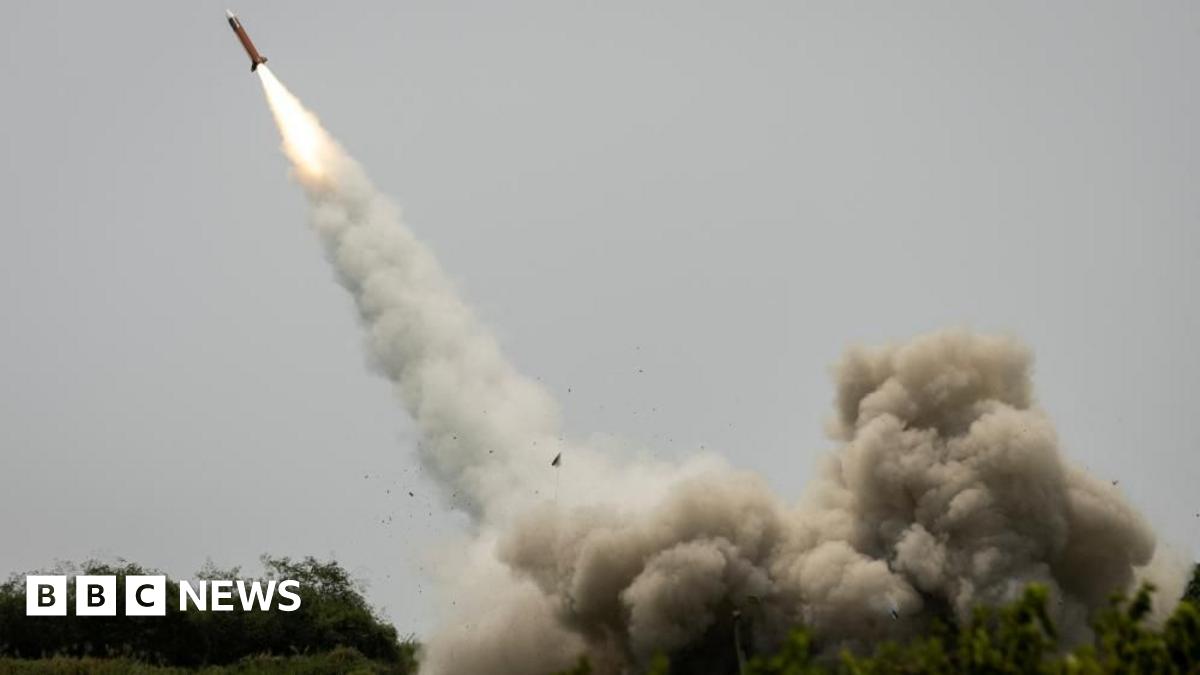
Trump appears to have guaranteed that the all-important US weapons pipeline to Ukraine will remain open for now – provided others pay for it.
But 50 days will feel like a very long time to Ukrainians, who are on the receiving end of near-nightly drone and missile bombardment.
Nothing Trump has done seems likely to put an immediate stop to this.