
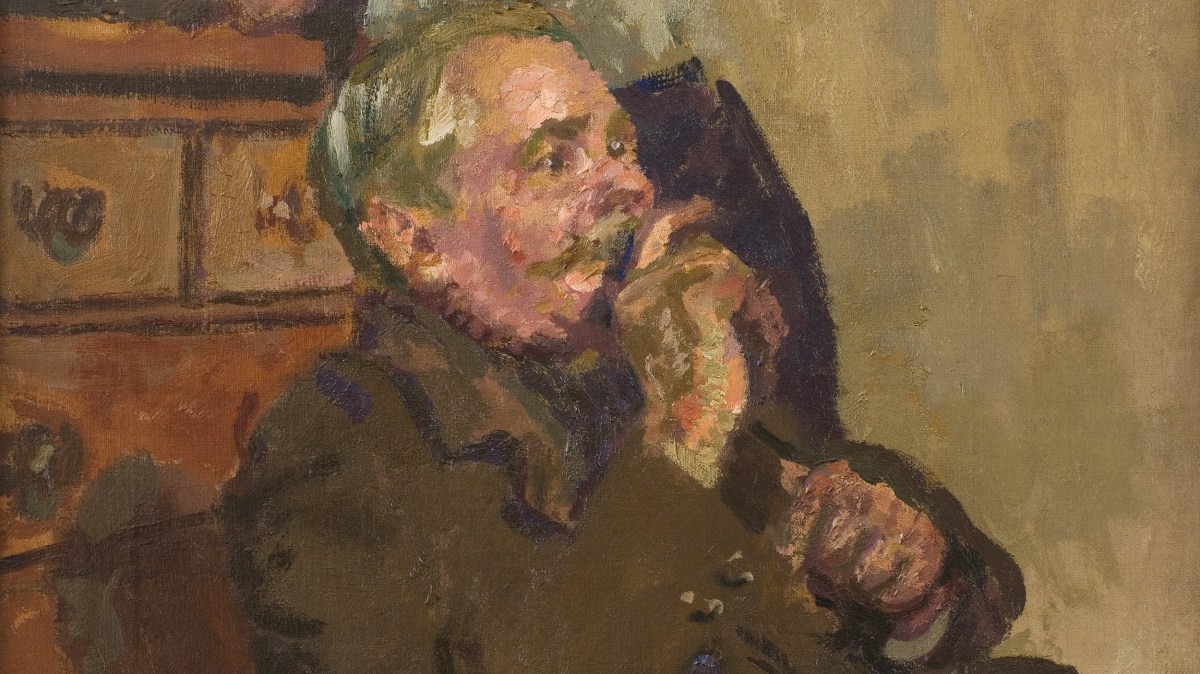
Love and death are, said Walter Sickert, “the only two subjects of great art”. Except that, as this lovely exhibition at Piano Nobile in London shows, he was particularly gifted at the expression of another.
Sickert’s “ennui” is the rarely depicted, ambiguous baseline state of humanity — neither joy nor despair, neither comfort nor fear. This almost perverse absence of drama, at a time when Royal Academicians were still producing vast, theatrical history paintings, is one thing that makes Sickert a true radical.

Jack Ashore (1912-13)
PALLANT HOUSE GALLERY
Another is the ordinariness of his subjects. Here, in a show of 82 works — mostly prints and drawings anchored by a number of choice oil paintings — sex workers chat listlessly with their clients; men gaze, unmoved, from the cheap seats in the music hall rafters; a woman, still wearing her hat, solemnly fries a rasher of bacon at a tiny gas hob in her bedsit.
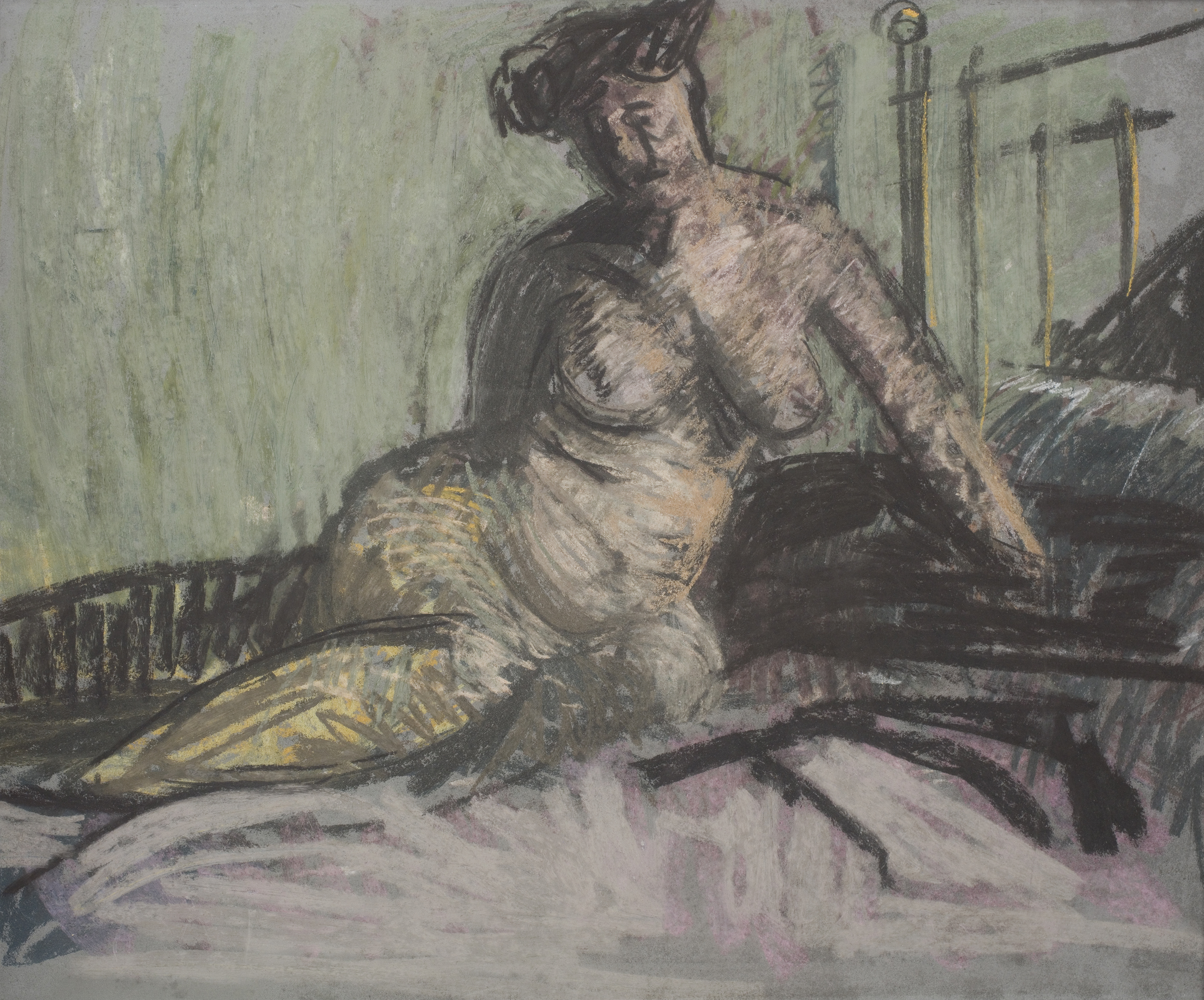
Réveil (c. 1905-06)
THE HERBERT AND ANN LUCAS COLLECTION
These works come almost exclusively from one private collection (there’s one loan, Jack Ashore, from Pallant House Gallery). The late American collectors Herbert and Ann Lucas had many interests, but Sickert’s work was foremost among them, and they were particularly fascinated by his propensity towards repetition.
• Read more art reviews, guides and interviews
His way of working was evidently pretty chaotic. The pictures here are grouped mostly by subject, indicating just how ad hoc Sickert’s approach was. In his messy studio, he’d come across a drawing in a pile of papers 20 years later, decide to make a print from it and then often rework the plates between versions. The exhibition showcases those markedly different variations. If you’re a print nerd, it’s heaven.
• Tate Britain exhibition: the dark heart of Walter Sickert
And it wasn’t just prints. The Lucas collection’s prize painting, Ennui, c1913-14, an image of an ageing man, smoking glassy-eyed at his table, is a smaller, more loosely worked (and rather more dynamic) crop of a painting in the Tate collection. There are other versions in the Ashmolean Museum and the Royal Collection.

Le Journal (c. 1906)
THE HERBERT AND ANN LUCAS COLLECTION
Though Sickert is thought of as a rather brown painter, it and the other oils here also show his ingenuity with colour — a streak of royal blue, a smear of mint bring this tired old man to life. In Le Journal, 1905-6, a startling close-up of a recumbent woman reading, you can see the slate grey ground over which he painted showing through, defining the modelling of her chin. It’s interesting and subtle, just like this little treat of a show.
★★★★☆
Piano Nobile, London, from Sep 26 to Dec 19 piano-nobile.com