
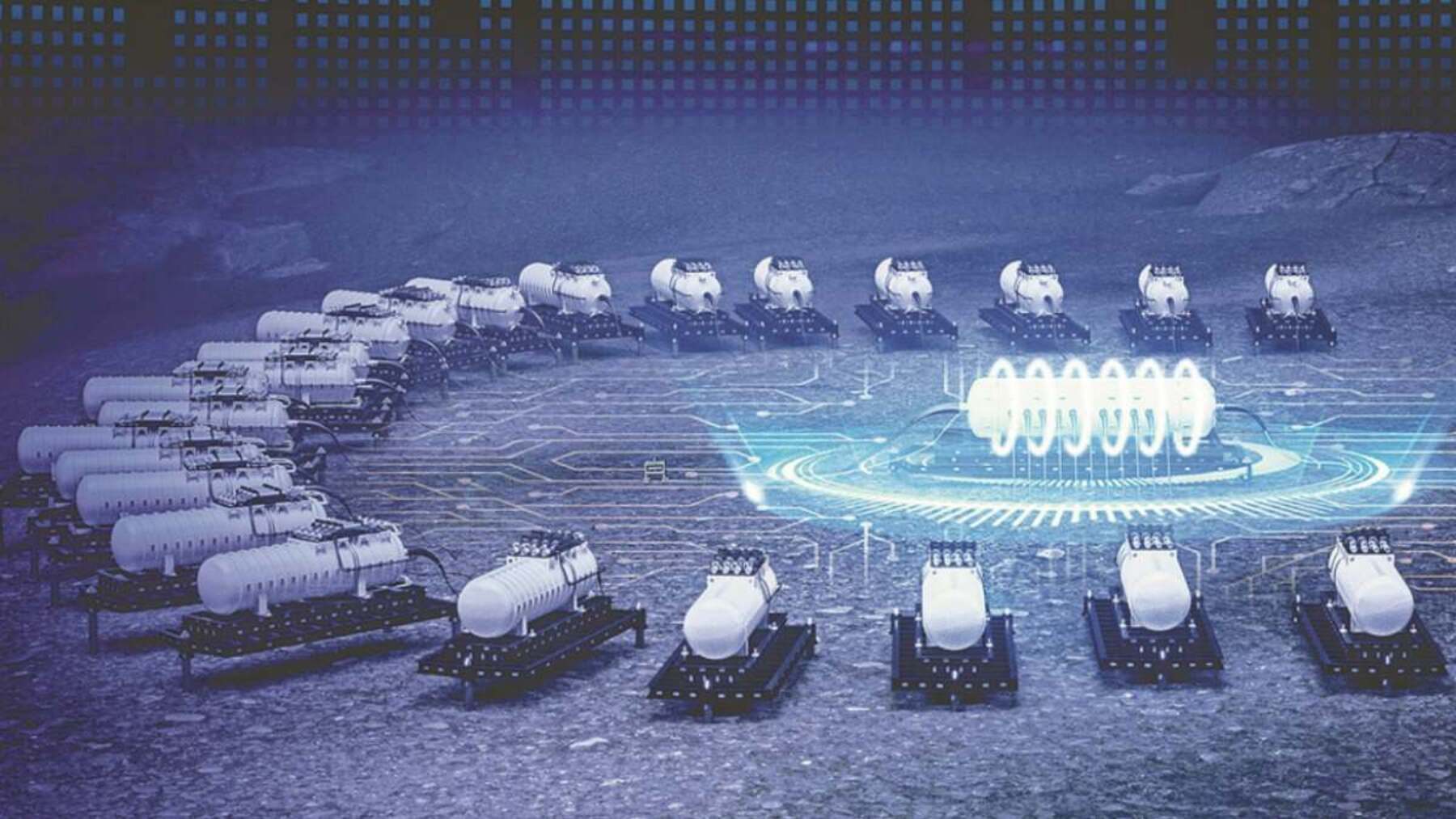
Imagine gigantic muscles of computers, and these lie 30 meters under the sea level, and the ocean cools them silently; this has not been easy for land-based cooling systems. These underwater AI data centers are accumulated by China, not as an example of sci-fi fantasy, but as an intelligent response to the increased energy consumption needs and to avert a computing meltdown.
Underwater AI: what China is burying beneath the waves
China is also testing offshore modules of underwater AI data centers along its coastlines. Commanding AI machinery and servers are stored in these waterproof and pressure-resistant pods. They are interconnected to the on-land power grid through subsea cables and then make use of naturally chilled seawater in cold water, consciously keeping the systems cool.
One off the shore of Hainan is capable of processing approximately seven thousand simultaneous DeepSeek AI conversations per second, limitless compared to tens of thousands of high-end gaming computers.
The underwater data center will be situated at the coast of Shanghai, which will have offshore wind as the power source. The depth of the water is 30 meters; this is the depth at which the water remains constant. This maintains a low cost of cooling and makes the system more efficient.
The “meltdown” China is trying to avert: energy, water, and environmental strain
The underwater chambers might be a vision of the future, yet the stashes are all too real. China and other nations are attempting to avoid a wave of issues that the uninhibited development of AI computing would cause, such as rising electricity usage, uneconomically operated cooling water sources, overloaded power grids, and increased emissions, like the newly unleashed sea giant.
Soaring electricity and cooling demand put water, emissions, and the grid at risk
According to the International Energy Agency, data centers across the world will use over double the amount of electricity they currently consume by 2030, starting at 415 terawatt-hours of electricity in 2024 and building out to 945 terawatt-hours by the year 2030. The workload of AI serves as the primary factor behind the surge, and cooling such servers can take up to 40 percent of the overall power.
Often, fresh water is used as a cooling medium in conventional data centers that consume a significant amount of water. This is competing with agriculture, people, and the ecosystem. China is moving towards seawater, which also alleviates this pressure.
Power demand is on the increase, which is pressuring power grids and plants. This adds to emissions and the high risk of blackouts. By 2030, AI-powered data centers will have a high proportion of all electricity consumed worldwide.
Subsea AI and data centers: exploring the potential and overcoming the challenges
There are apparent advantages to implementing AI computers underwater. The cold and stable temperatures of seawater eliminate the requirement for cooling systems that consume much energy, saving energy as well as water. Since the land along the coast is expensive, the presence of underwater pods opens prime land near cities. Furthermore, combining the pods and the offshore wind, as it is intended to be done with HiCloud that gathers, implies that the vast majority of the power will be produced by the sources that produce low carbon.
Underwater AI units are more difficult to maintain, and AI is consuming much energy. In the case of fossil fuel-fueled engines, emissions are high. Moreover, sea animals are threatened by heat, leakages, and the destruction of their habitats.
The AI data centers underwater in China illustrate the fact that innovation finds a way to dominate increasing energy, water, and environmental issues, just like this groundbreaking project set to dominate the world. They are able to use the huge demands of AI by cooling oceans and offshore renewables. Nevertheless, intelligent energy consumption, stable supply networks, and sustainability remain important elements to thwart a meltdown.