
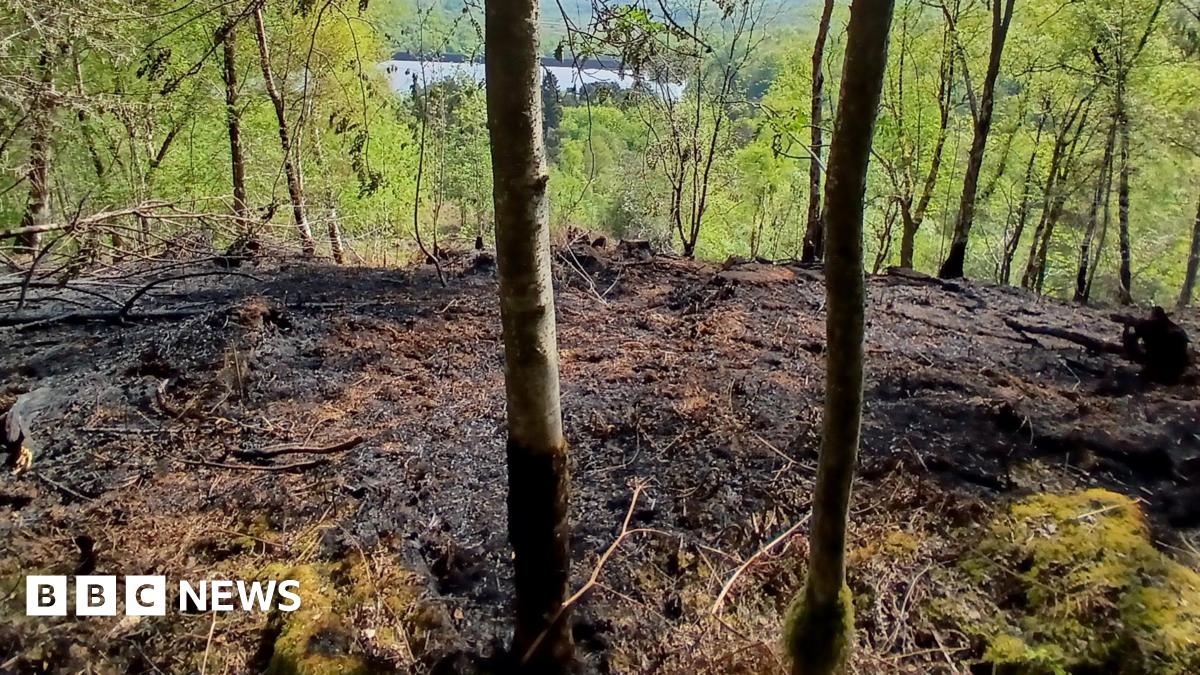
The report said persistent dry weather has impacted grazing conservation efforts, where livestock is used to help maintain habitats in order to improve biodiversity, in South Yorkshire..
Mr Abbas said poor grass growth “reduced the time that livestock were able to graze at Blacka Moor and Kilnhurst Ings”.
“Water had to be transported to Ughill Farm for livestock to drink after natural springs ran dry,” he added.
He said resident lapwings at Woodhouse Washlands had failed to breed after some ponds and ditches dried out completely.
“The extremely dry summer this year has impacted directly on the threatened habitats and species which we are working to protect on our nature reserves.”
A government spokesperson said it was “determined to turn around our inheritance on climate resilience and take robust action to prepare for the impacts of a changing climate”.
They added that they had stepped in to stop flood defences failing and had launched a decade-long £7.9bn investment programme to improve protection for over 800,000 properties.
“This is alongside helping local communities become more resilient to the effects of climate change, such as overheating, and building new reservoirs and cutting water leaks to help secure water supplies.”