
After posting a pre-tax loss of £1.46 million in 2023, the company reported a further deficit of £1.24 milion in its accounts for the year ending 31 December 2024.
The financial report also reveals the practice’s turnover has fallen again, dropping 13 per cent from £18.3 million to £15.8 million last year. In 2022, Make had brought in more than £19 million in fees.
During the 12 month accounting period the company’s workforce also reduced significantly, with the average number of employees in the Make group down from 165 to 124.
As reported by the AJ in March 2024, Make Architects made around 15 per cent of staff redundant in response to economic turbulence, practice founder Ken Shuttleworth confirmed at the time.
The latest accounts point to the business risks linked to the ‘political environment surrounding investment decisions’ and the slowdown in London office projects, a key market for the practice.
However, the company said that, since the end of 2024, staff numbers had risen and the directors were more hopeful for the coming months. The practice added that it had used its ‘strong cash buffer’ throughout the accounting period and had cut its ‘variable and overhead costs’.
In a statement released to the AJ, a spokesperson said: ‘2024 was a difficult financial year for many architecture practices – including Make – with unfavourable global economic conditions, inflationary pressure, and planning delays impacting the delivery of several projects across the UK.
‘Despite the challenges, Make is now on an even keel, having recruited more people in recent months to deliver on key upcoming projects for the practice. We are optimistic for a stable year of growth ahead.’
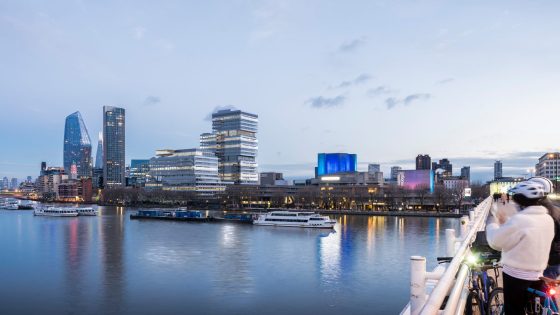
In December the practice’s redevelopment proposals for the former ITV Studios on London’s South Bank were given the go-ahead in the High Court, upholding the decision by former communities secretary Michael Gove to allow construction of the 25-storey Thameside scheme. Construction work on the £800 million building, known as 72 Upper Ground and backed by Japanese developer Mitsubishi Estate, has now begun on site.
Workloads dropped in every region – including Asia, Europe, Australia and the UK where fees fell from £13.8 million to £11 million – except for in the ‘rest of the world’, where income jumped from £133,739 to £1.5 million.
In the company’s strategic report accompanying the accounts, the directors said Make was ‘actively developing’ artifical intelligence (AI) to ‘enhance creativity, streamline workers, and improve service delivery’.
The latest accounts show the highest paid director received £686,373, marginally down from £708,762.