
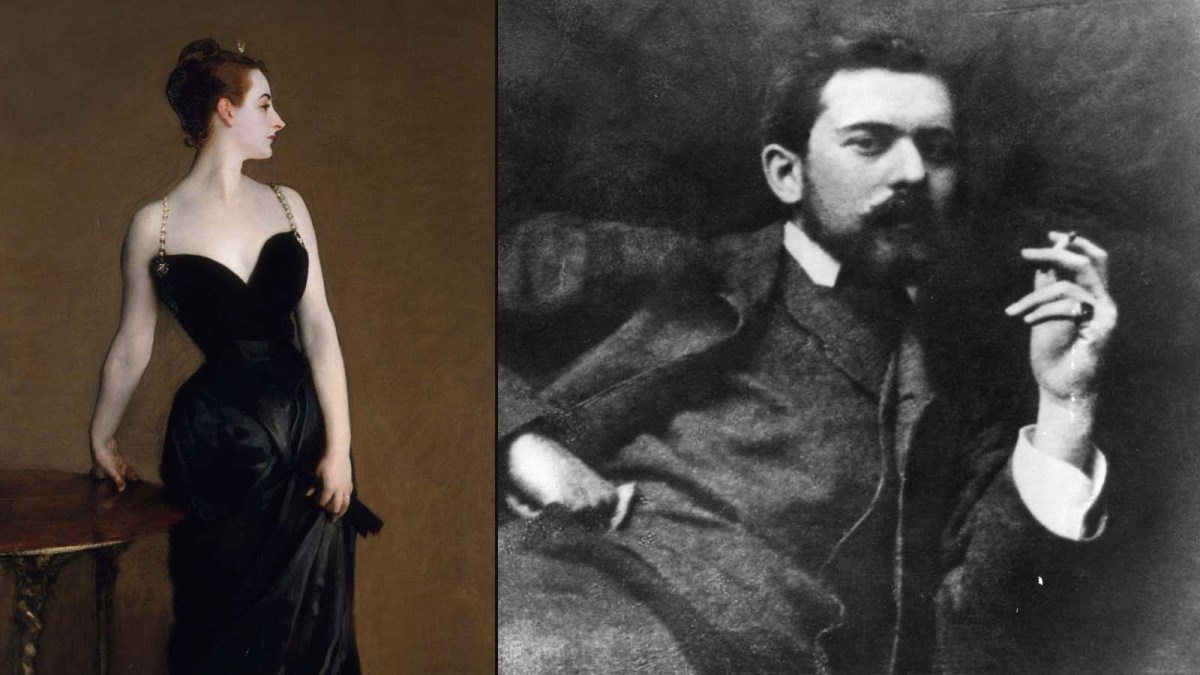
Madame X was both the zenith for John Singer Sargent and the beginning of the end of his life in France. The painter knew his portrait of fellow American Virginie Gautreau, a socialite said to be one of the three most beautiful women in 1880s Paris, was of exceptional quality.
But he failed to anticipate the scandal provoked by the work — initially entitled Madame Gautreau but later changed to Madame X. Parisians were aghast at the plunging neckline, the pallor of the white flesh, the powdered face and bust, the strap of the black dress falling down over the shoulder. An art student wrote that Gautreau looked “horrible”, was “frightfully made up” and resembled a corpse.
“Others said she looked like a prostitute,” said Caroline Corbeau-Parsons, curator of graphic arts and paintings at Orsay Museum in Paris. “The portrait was too modern. There was shock.”
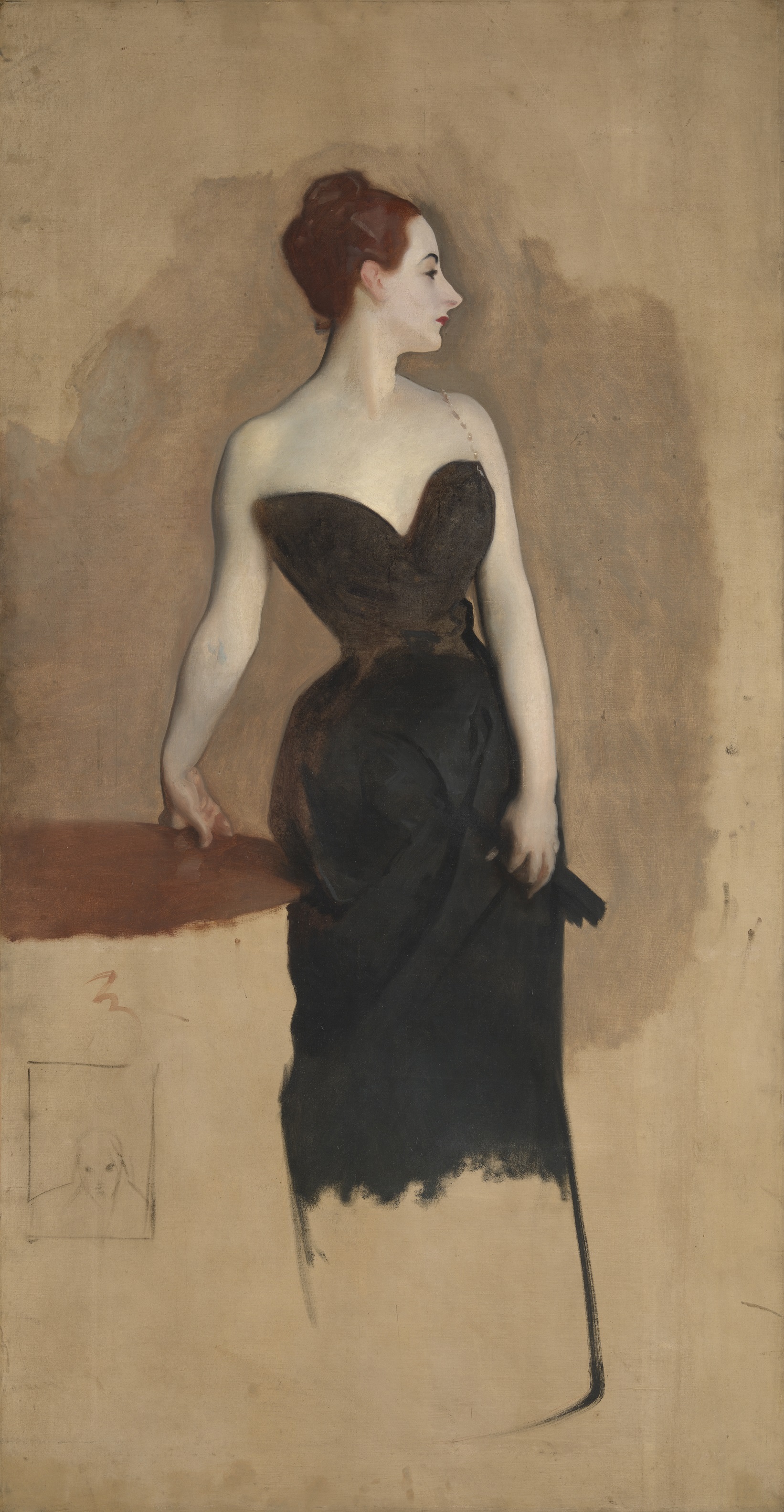
A study for Madame X…
TATE/TATE IMAGES
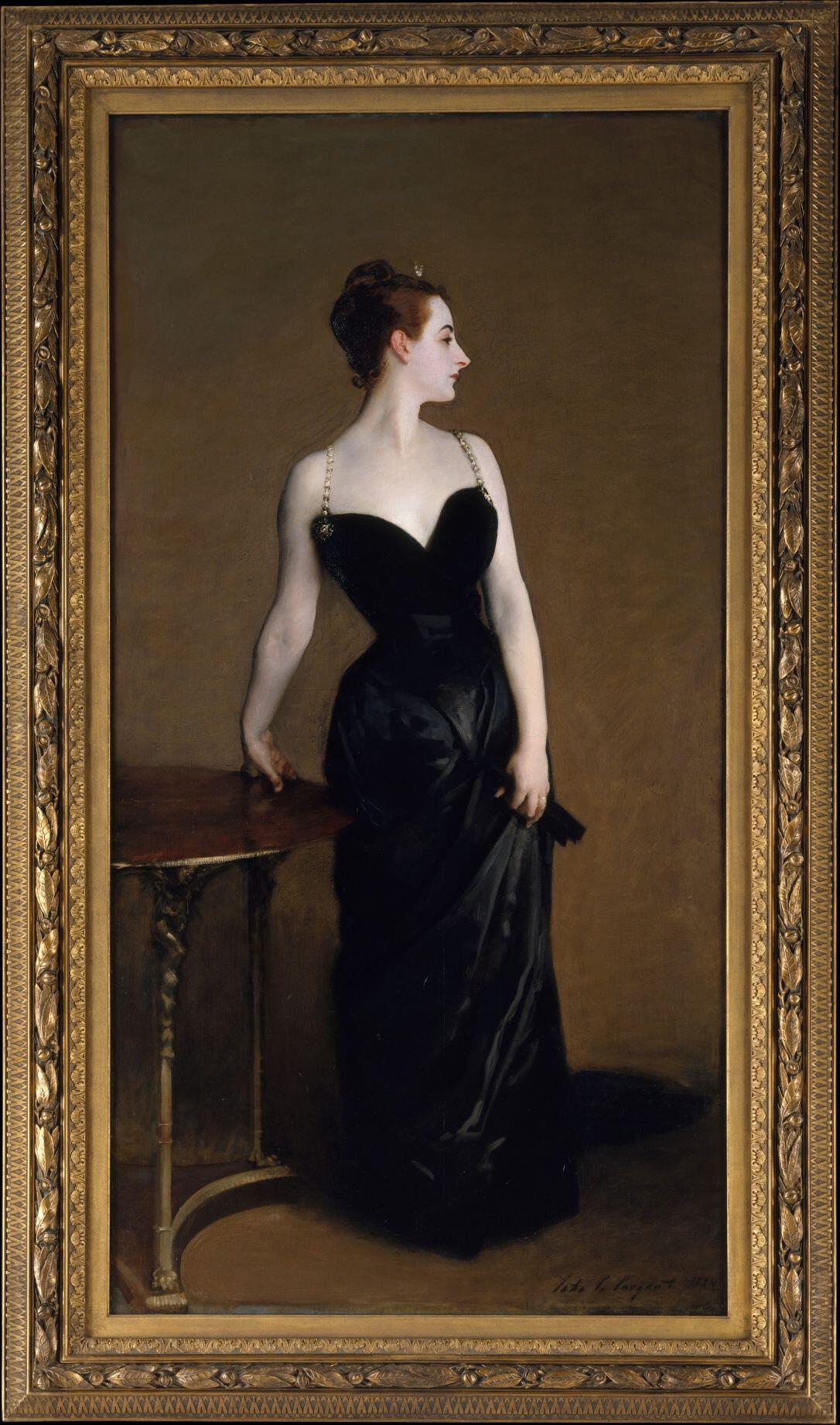
… and the finished portrait
ALAMY
There may also have been a hint of jealousy. Carolus-Duran, the French portraitist who was Sargent’s mentor, is said to have felt slighted when he realised he had been eclipsed by his American protégé, while Gautreau’s success among the French elite — she was described as “the uncontested queen of all the official festivities” — also prompted resentment. One commentator wrote that he found “these Yankees a little ill-mannered”.
Unsurprisingly, perhaps, Sargent grew fed-up with France. “I am dreadfully tired of the people here,” he wrote to the author Henry James. He moved to London, where he lived for 40 years and came to be remembered as one of the great portrait painters of his age.
• Bayeux Tapestry is moved secretly on journey to UK
In France, however, where he spent his formative years and where he produced most of his masterpieces, he was forgotten after he crossed the Channel for what was regarded as a cultural backwater.
Now, the Orsay is staging a blockbuster exhibition of his works, including La Carmencita, his 1890 portrait of a Spanish dancer, which was denounced as “repugnant” when it was first shown at the Royal Academy but is now viewed as a masterpiece, and his 1881 depiction of Dr Pozzi, a French gynaecologist and notorious womaniser, whom he painted at home in a red dressing gown.

La Carmencita (1890) was called “repugnant”
MUSEE D’ORSAY DIST. RMN-GRAND PALAIS
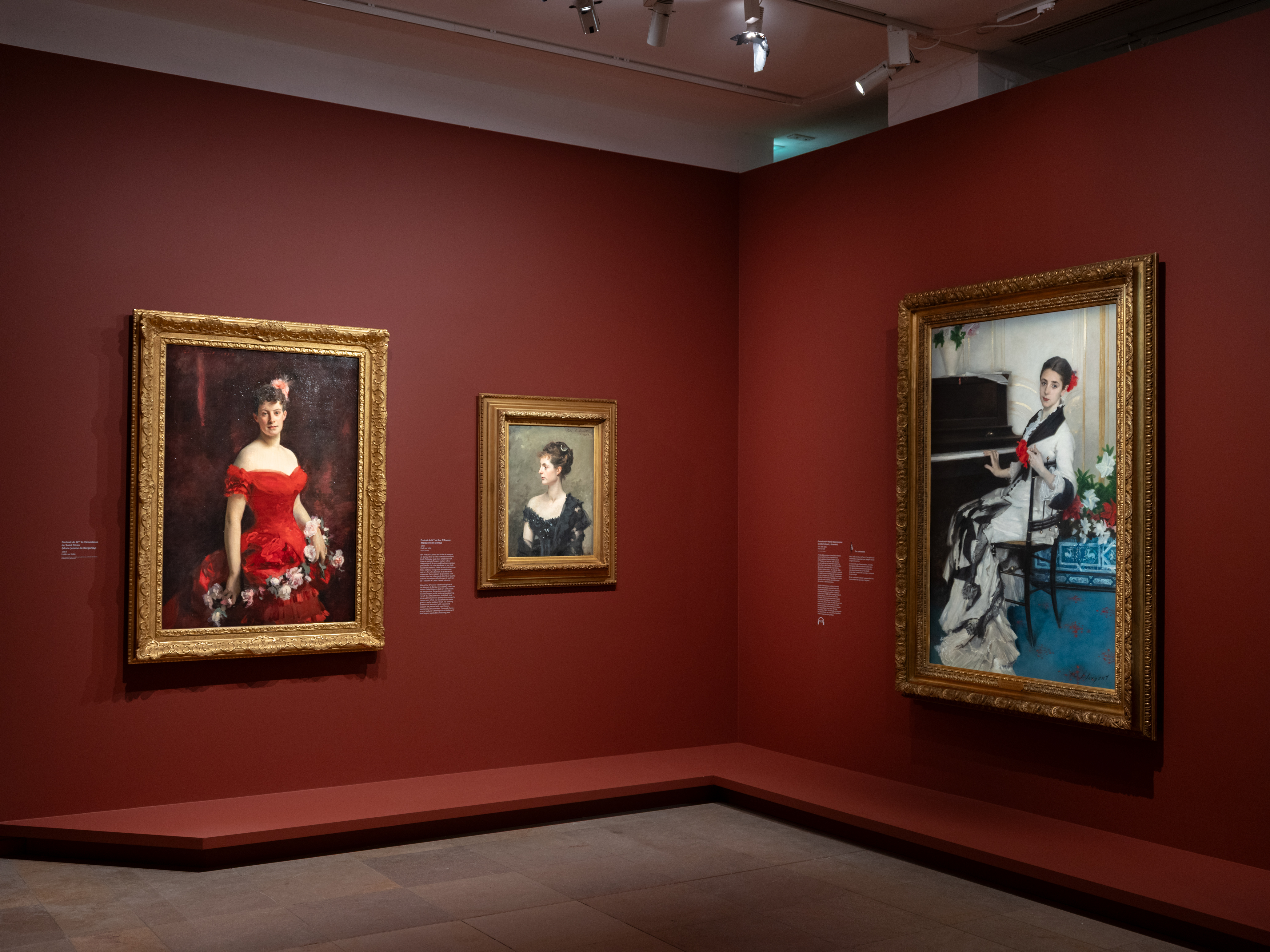
The portrait of Madame O’Connor, centre, is appearing in public for the first time at the exhibition, above and below
MUSEE D’ORSAY
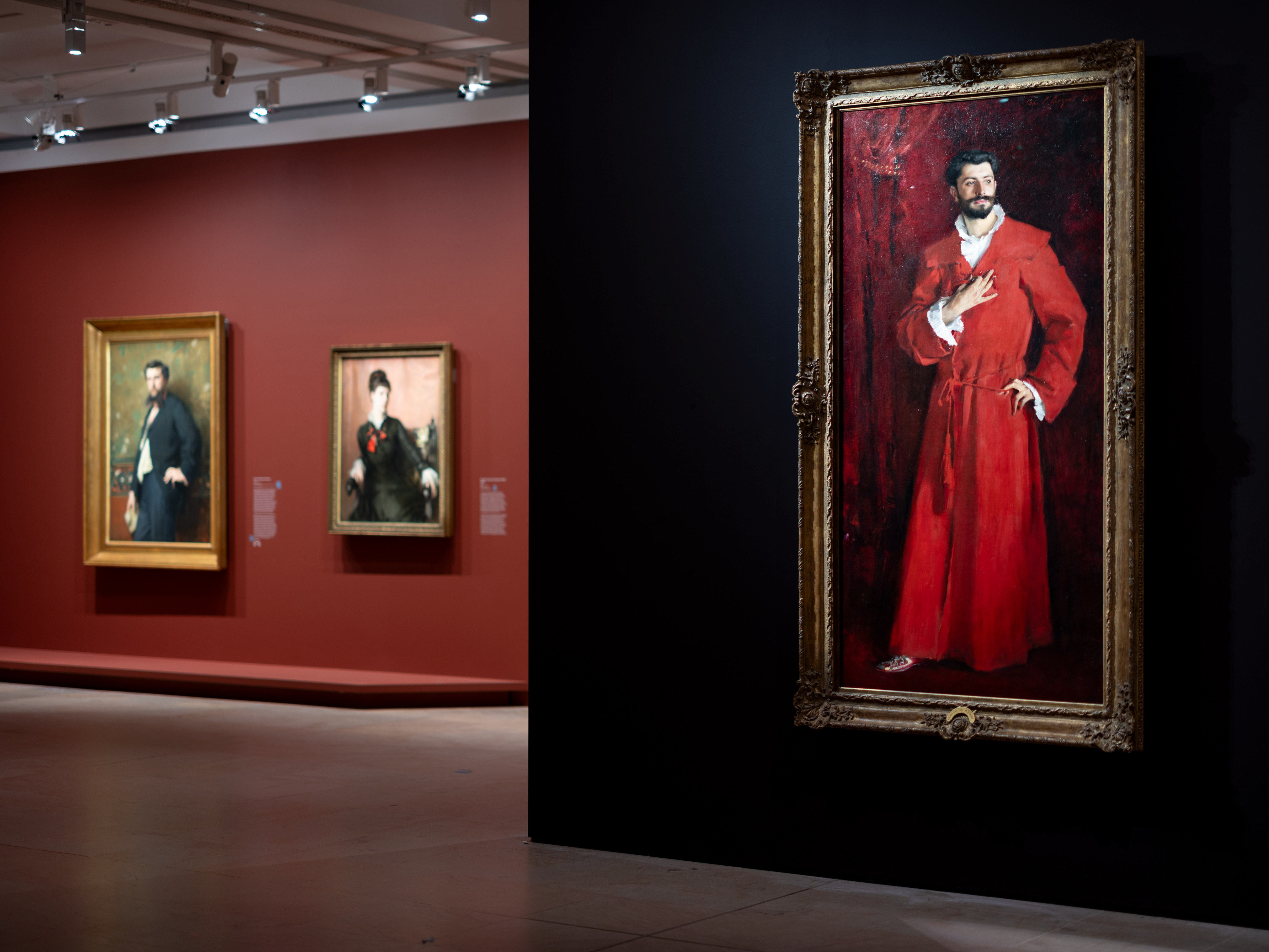
Also on display is a portrait of Madame O’Connor, a French aristocrat, loaned from a private collection and never before shown in public. Corbeau-Parsons said the work was important because it presaged Madame X.
The show, Eblouir Paris (Dazzling Paris), is proving a success, attracting thousands of visitors every day. Paul Perrin, the chief curator, said many were stunned to discover the extraordinary talents of an artist who drew inspiration from sources as varied as Diego Velasquez, the 17th-century Spanish master, and Claude Monet, the 19th-century French impressionist. “He was a veritable virtuoso,” Perrin said.
Sargent was born in Florence after his mother persuaded his father to abandon a career as a surgeon in Philadelphia to cross the Atlantic. They moved to Paris when Sargent was 18 largely because “it was the place to be” for an aspiring young artist at the time, according to Perrin.
Carolus-Duran, then a renowned high-society portrait painter, took the young American under his wing. Soon, Sargent was winning acclaim within the Parisian cultural elite, his works shown at the Salon, the fair in the French capital seen in the 19th century as the biggest annual art event in the world.

A self-portrait by John Singer Sargent
ABERDEEN CITY COUNCIL
In practice, Paris featured little in his work. He was a distinctly footloose character and the Orsay exhibition is a testimony to his nomadic lifestyle, with works that reflect his travels to Capri, Venice, north Africa and elsewhere.
Yet he produced many portraits of wealthy and famous Parisians — native and adopted — culminating in Madame X. The work is described by Corbeau-Parsons as an “icon” in the US, where Sargent remains a star, although he never actually lived there. The scandal over the portrait was such that he ended up repainting it with the strap back on Gautreau’s shoulder. He kept the work until she died in 1915, selling it to the Metropolitan Museum in New York the following year. He said it was “the best thing I have done”.

John Singer Sargent in his studio with the portrait of.Virginie Gautreau
JUAN TRUJILLO
If Sargent has been neglected in France — where the newspaper Le Monde said he is “almost unknown” — it is in part because he never fitted neatly into an artistic category. He was neither an impressionist nor entirely a realist or a naturalist, but borrowed from all those genres. Experts say it was difficult for the French to place him in their narrative of the history of art.
His reputation in Paris also suffered when he moved to Britain. Perrin said the French were “disappointed” that he had left. Many assumed that his career would go into decline. “|If he had stayed in France, he could have been the greatest painter of his generation,” said the poet Robert de Montesquiou at the time.
“The French had a superiority complex in the 19th century,” said Perrin, who conceded that noses had been put out of joint in the French capital “to see this American who had been shining”.