
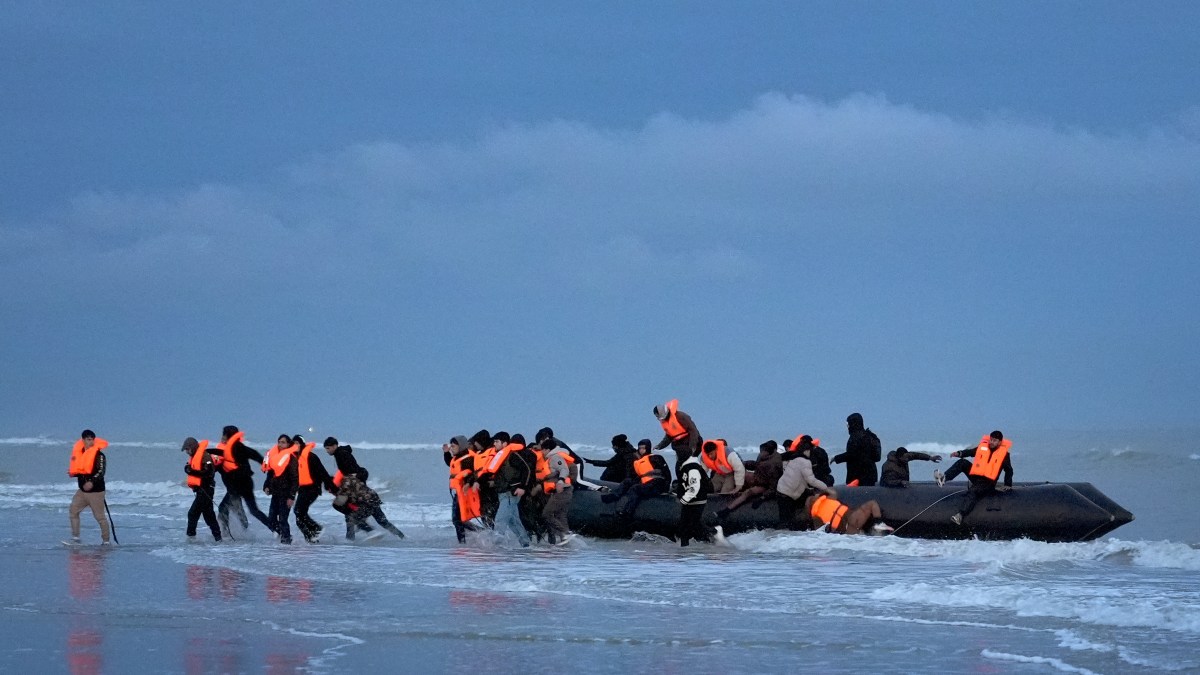
Small boat migrants will be housed in two army barracks in Scotland and the south of England from next month as Sir Keir Starmer piles pressure on the Home Office to end the use of asylum hotels within a year.
A total of 900 migrants will be housed under plans to use the Cameron Barracks in Inverness and the Crowborough army training camp in East Sussex, Home Office sources told The Times.
Small boat arrivals will start being housed in existing military accommodation at the two sites by the end of next month.
They will be the first of up to 10,000 migrants who the Home Office is hoping to house on military sites as it works with the Ministry of Defence to find several more disused sites.
There are also plans to build pre-fabricated, modular units similar to Portakabins on some of the sites.
The use of military sites will be temporary, the Home Office said. The department is also identifying industrial sites and other stop-gap accommodation that is cheaper and more “appropriate” than hotels.
The use of military barracks is also seen as a deterrent for migrants crossing the Channel as officials hope the accommodation will be less appealing than hotels.
• Billions ‘squandered on migrant hotels due to incompetence’
Shabana Mahmood has made it a priority since becoming home secretary six weeks ago to find alternative, large sites to house asylum seekers and is said to be “absolutely furious” at the continuing use of hotels.

Shabana Mahmood
WIKTOR SZYMANOWICZ/FUTURE PUBLISHING/GETTY IMAGES
The pursuit of large sites marks a significant reversal in Labour policy because it has previously opposed the practice.
The prime minister has privately told ministers that he wants to end the practice of housing asylum seekers in hotels within a year, government sources have said.
He had previously pledged to end their use by 2029 but last month said he wanted to “bring that forward”, although he did not give a date.
On Monday Starmer said he was “frustrated and angry” about the soaring cost of the asylum system after a damning inquiry by the home affairs committee found Home Office mismanagement had “squandered” billions on housing migrants in hotels.
Despite the significant failings found in the report, the Home Office has begun the process of tendering for asylum accommodation contracts that will run from 2029 until 2036 with a potential extension to 2039.
Plans to open the first disused military sites for migrant accommodation mark the first steps to moving 32,000 migrants out of hotels.
An estimated 300 migrants will be housed at the 140-year-old Cameron Barracks, which had been used for housing Afghans evacuated from Kabul who had worked alongside the British armed forces and faced Taliban reprisals. Work to phase out its use for Afghans began in May, including relocating families elsewhere in Scotland.
• How China makes millions from UK asylum hotels
It is understood that the army training camp in Crowborough, which sits on the edge of the Ashdown Forest, will accommodate an estimated 600.
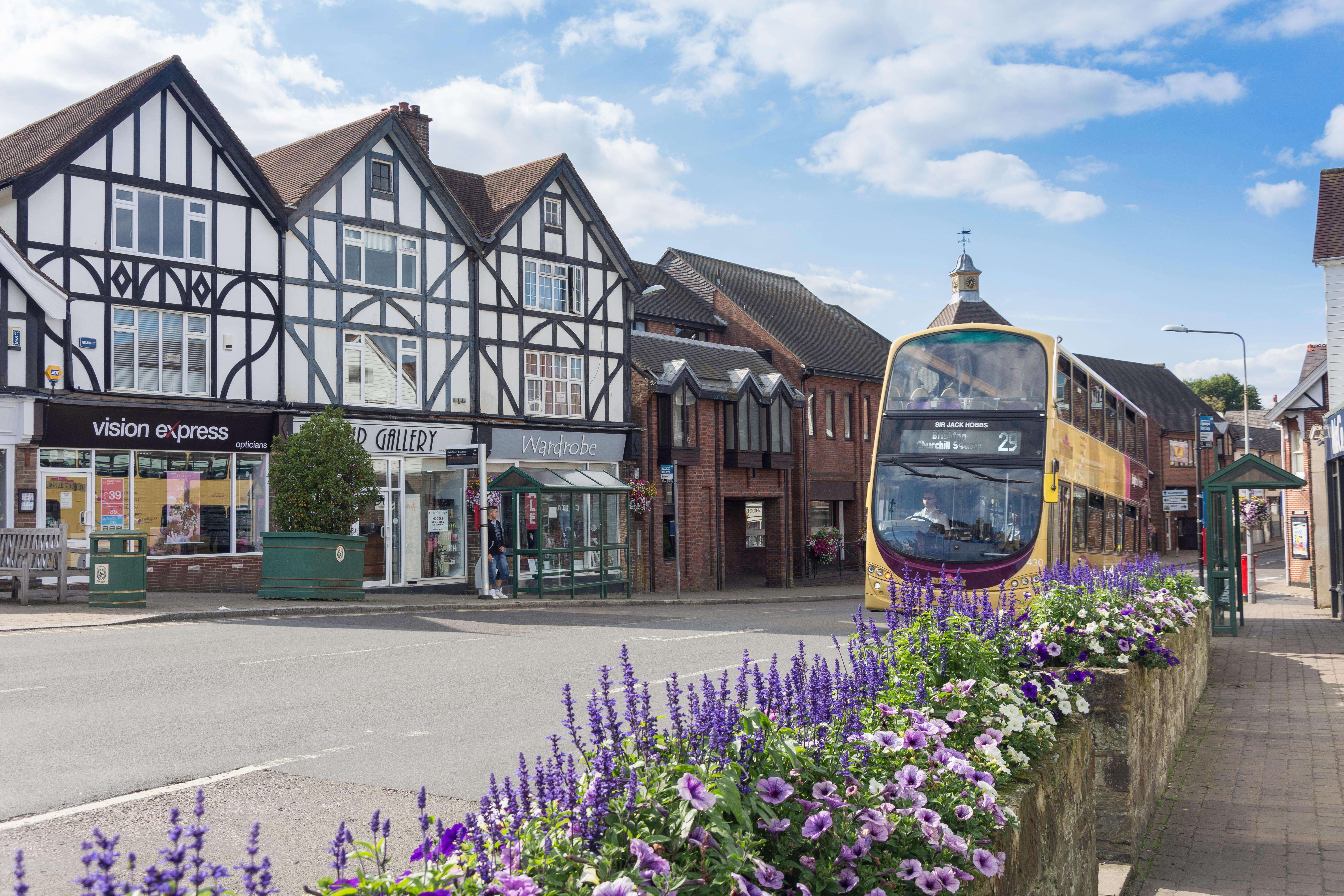
The plans are likely to face significant local opposition in Crowborough
ALAMY
A Home Office spokesman confirmed the two sites would be ready by the end of next month. The spokesman said: “We are furious at the level of illegal migrants and asylum hotels.
“This government will close every asylum hotel. Work is well under way, with more suitable sites being brought forward to ease pressure on communities and cut asylum costs.”
The plans must still undergo consultation with the local community, and are likely to face significant local opposition. Plans under the previous government to house migrants at other former military sites such as RAF Scampton in Lincolnshire, Linton-on-Ouse in North Yorkshire and the old prison site at HMP Northeye in East Sussex were scrapped after a backlash from residents.
The government is understood to be reconsidering the use of Linton-on-Ouse and Catterick Garrison in Rishi Sunak’s constituency in North Yorkshire, although it is unclear how advanced the plans are.

RAF Scampton
JOE GIDDENS/PA
The Refugee Council warned that using military sites would be “exchanging one failed approach with another”.
Enver Solomon, chief executive of the charity, said: “The government could end the use of hotels next year, without resorting to camps, by putting in place a one-off scheme that would give permission to stay for a limited period — subject to rigorous security checks — to people from countries almost certain to be recognised as refugees.
“This would enable people who will ultimately remain in the UK to be able to get on with their lives, finding jobs and contributing to their communities. The Home Office could then get on with ensuring the asylum system is able to operate in a fair, efficient and sustainable way moving forward.”
There are significant challenges involved in providing the necessary infrastructure at military sites, such as power generators.
Labour had opposed the use of RAF Wethersfield in Essex and Napier Barracks in Kent but since entering government has expanded their uses, although Napier Barracks is set to close by the end of this year.
• Britain’s asylum hotel ‘king’ becomes a billionaire
The use of military sites comes despite warnings from Home Office officials that their use is likely to cost even more than hotels and pose significant safety and legal risks.
This includes logistical challenges such as buildings containing asbestos, land contaminated by military-grade chemicals and unexploded ordnance.
The cost of preparing two military sites under the previous Conservative government ended up 12 times over budget.
However, costs at Wethersfield have fallen since the site was readied for use. The average cost of housing an asylum seeker at the site is £132 per person per night and at Napier it costs £108.58 per night.
The average cost of hotels is £144.98 per person per night.
The Home Office said lessons had been learnt from the previous government’s attempts to use large sites and all sites would comply with safety, security, health and wellbeing standards.
Mahmood is understood to be prepared to use disused military sites even if the costs increase initially.
Sources close to the home secretary have said she “doesn’t see this as a question of money” but “a question of public confidence” and said she would be “more than happy to fight it out in the courts if she has to”.