
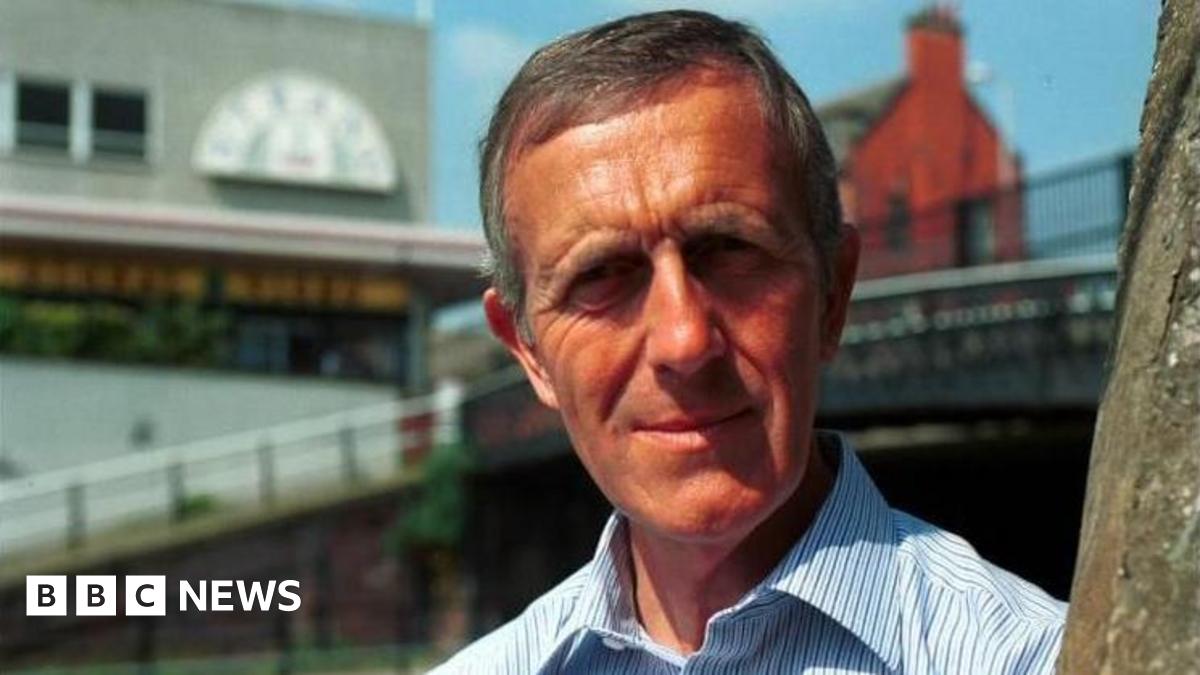
In an obituary published in The Times, Mr Kirby was described as “a tough but deeply empathetic man”.
Mr Kirby was orphaned at the age of nine and his “own difficult upbringing had perhaps uniquely equipped him to lead a team tackling such a sensitive inquiry, in the glare of what quickly became a global media spotlight”, the obituary continued.
He joined Liverpool City Police Cadets in 1962, becoming a constable in 1964 and rose through the ranks to become “a born detective”, with a “sympathetic approach to victims, witnesses, suspects and their families”.
The obituary said Mr Kirby “read a lesson at James’s funeral at the request of his family, and remained a source of strength and support to them for many years after the trial and conviction of the young killers”.
Mr Kirby worked long hours on the case as he was “as anxious to protect James’s devastated family as he was to shield members of his own team from some of the more terrible elements of the murder – it took an immense toll”.
He was awarded the Queen’s Police Medal in 1994 for the work he carried out on the case.
His family said he continued to follow developments in the case, from the European Court of Human Rights appeal to the killers’ parole hearings.
After his retirement in 1998, Mr Kirby was a consultant to ITV News and worked with masters’ students on criminal psychology courses.
Former colleague Det Sgt Phil Roberts said: “No other boss could have dealt with this case better. He was the right man for the job.”
Mr Kirby is survived by his wife Susan, son Ian, and grandchildren Tom and Holly.