

Chancellor Rachel Reeves will announce it in the Autumn Budget on November 26, it has been reported.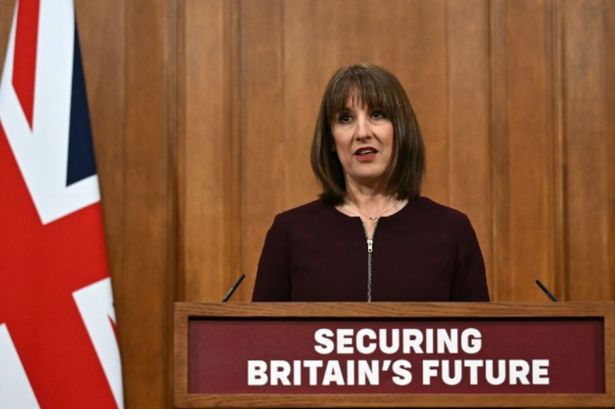 New cash ISA limit leaked – and it’s not £10,000 as predicted
The new Cash ISA limit has been leaked – and it’s not £10,000. The new cash ISA limit is set to be introduced by Labour Party Chancellor Rachel Reeves in the Autumn Budget on November 26, it has been reported.
According to reports, the Treasury have settled on a new figure of £12,000 rather than the initially proposed £10,000 cap. The £12,000 figure has gained traction within Treasury circles as a more palatable option.
Andrew Gall, head of savings at the Building Societies Association, said: “We support efforts to help more people to invest and grow their wealth, especially in the UK, but cutting the cash ISA limit simply won’t achieve this.”
READ MORE Drivers face new monitoring device in cars under UK pay-per-mile tax
He added: “It would undermine one of Britain’s most successful savings products and a stepping stone that has helped millions to build financial resilience and confidence to invest for their future.”
Michael Healy, managing director of IG, said: “The Chancellor is absolutely right to tackle the UK’s overreliance on savings, starting with a product that does nothing for long-term wealth creation.”p
He dismissed building society concerns as “largely overstated”, noting that potential redirected funds would represent merely 0.4 per cent of building societies’ total retail deposits.
“Suggestions that it could threaten the mortgage market are simply scaremongering. The reality is that this reform is sensible, proportionate and long overdue,” Mr Healy said.
Also under consideration is a mandatory allocation to UK equities in a stocks and shares Isa. It is thought this could make up £5,000 of the current £20,000 stocks and shares Isa allowance.
This latest development in what is thought to be the biggest Isa overhaul in 25 years comes after months of speculation.
One Treasury source said the Government “wants a UK element and ideally that would be voluntary” for the sector, suggesting a preference for market-led solutions rather than regulatory mandates.