
Uncertainty over future investment remains.
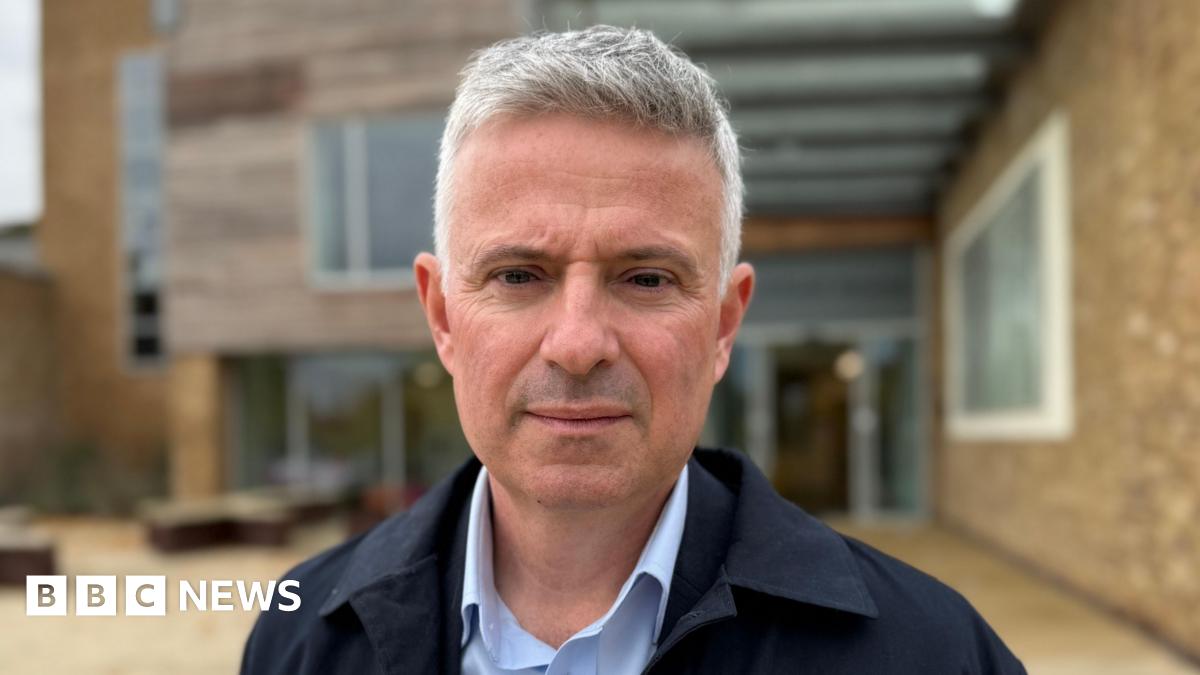
Mr Scott claims this 2016-17 funding commitment will effectively stop next year with “no planned increased investment into mental health”.
The NHS mental health trust for Cambridgeshire and Peterborough has also warned it won’t receive the funding increase it needs to tackle waiting lists.
Mr Scott says the NHS could be saving money by consolidating newer services like urgent care teams in hospitals, the 111 crisis service and staff in GP practices.
“It makes me concerned that there won’t be a long-term plan for mental health investment,” he says.
With children struggling with the effects of the Covid-19 pandemic “I think there’s the case to be made”, he continues.
“Those children will become adults at some point, so I think investment in children’s mental health now and investment in adult mental health in the future is unavoidable.
“So how do we create the funds for that? Do we do it all through our own efficiency, or are the public funds further invested, I think is a really big question.”
In 2024-25, 8.8% of the overall NHS budget , externalwas spent on mental health, according to the charity Mind.
In response to Mr Scott’s concerns, the Department of Health and Social Care says it is increasing investment in mental health care by “an extra £688m this year, meeting the mental health investment standard”.
It says it will be recruiting 8,500 additional mental health workers, delivering more talking therapies and rolling out more mental health support teams in schools and colleges.
“We are strongly committed to giving mental health the same attention and focus as physical health,” a government spokesperson says.