
Pears Cumbria School of Medicine hosted a webinar on Thursday, exploring the topic of obesity, with a focus on weight loss drugs and the support available in North Cumbria.
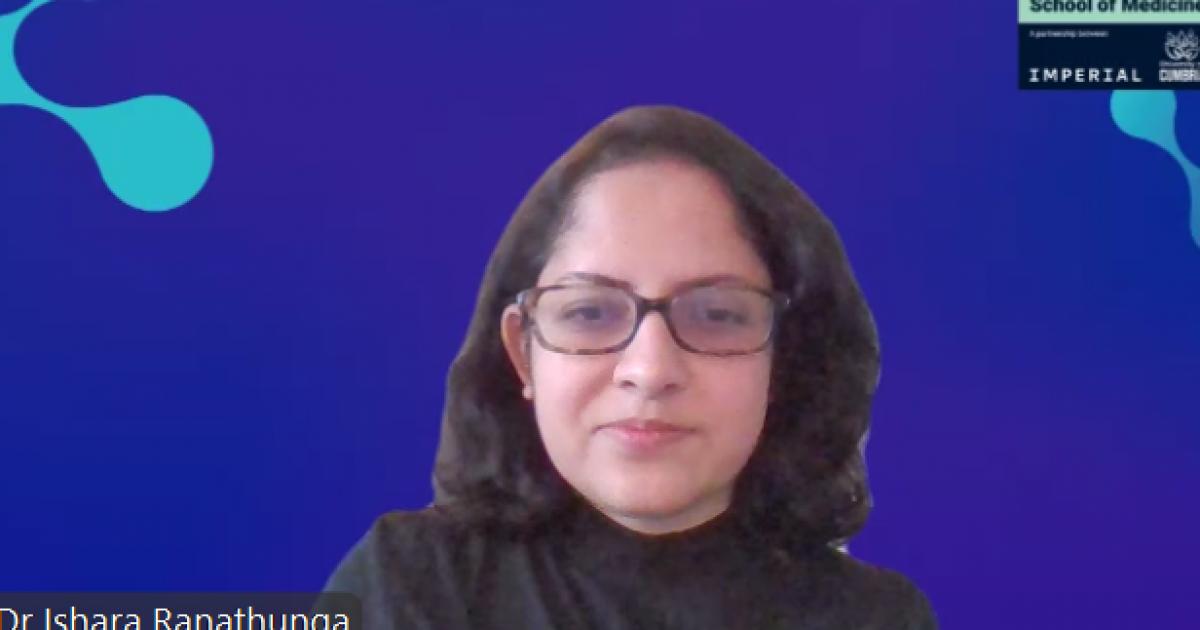
Dr Ishara Ranathunga gave a presentation on North Cumbria’s Tier 3 Weight Management Service, ran by a team of professionals across NHS disciplines, it provides patients with group and one-to-one support.
Cumbrians attending the webinar heard that obesity figures are high in the North of England and the majority of referrals to North Cumbria’s Tier 3 Weight Management Service come from highly deprived areas.
And due to demand outstripping resources, the service has a waiting list of more than a year.
Speaking to the News & Star following the webinar, Dr Ranathunga said: “We have a very high prevalence of overweight and obesity and because of that, high prevalence of all the other chronic conditions associated with the disease.”
She said: “We do provide the Tier 3 Weight Management Service but we have a very long waiting list as well, currently it’s about one and a half years our patients have to wait since being referred so we don’t have capacity to cater to the rate of referrals, the waiting list is building-up.”
The Cumberland Infirmary Hospital in Carlisle. (Image: Newsquest)
Dr Ranathunga is a consultant endocrinologist and associate specialist in diabetes and endocrinology at North Cumbria Integrated Care.
She said: “We don’t have enough funding to expand the service as well at the moment, those are the areas we need help and funding to do all of that.”
Endocrinology is the study of hormones and how they affect bodily functions such as sleep and metabolism.
The webinar heard that one in four adults in the UK are obese and the associated health conditions include: diabetes, fatty liver disease, sleep apnoea and cancer.
Professor Jonathan Weber, Co-Director of the Pears School of Medicine with endocrinology experts Dr Ishara Ranathunga and Professor Tricia Tan. (Image: Newsquest)
Tricia Tan, Professor of Practice in Metabolic Meidicine and Endocrinology at Imperial College London said: “Obesity is not a cosmetic problem, it is disabling and causes premature death.
“For many years, we have only had lifestyle and diet which essentially leads to about three to eight per cent weight less but the problem we have with diet and lifestyle, it’s often not sustainable and then we see this yo-yoing of the weight over time.”
Professor Tan said that bariatric surgery, such as gastric band treatments, have been an effective innovation “but it is really not for everyone.”
She said that more recently, appetite-suppressing drugs such as Ozempic have been used to treat people with obesity and diabetes, with proven successes.