
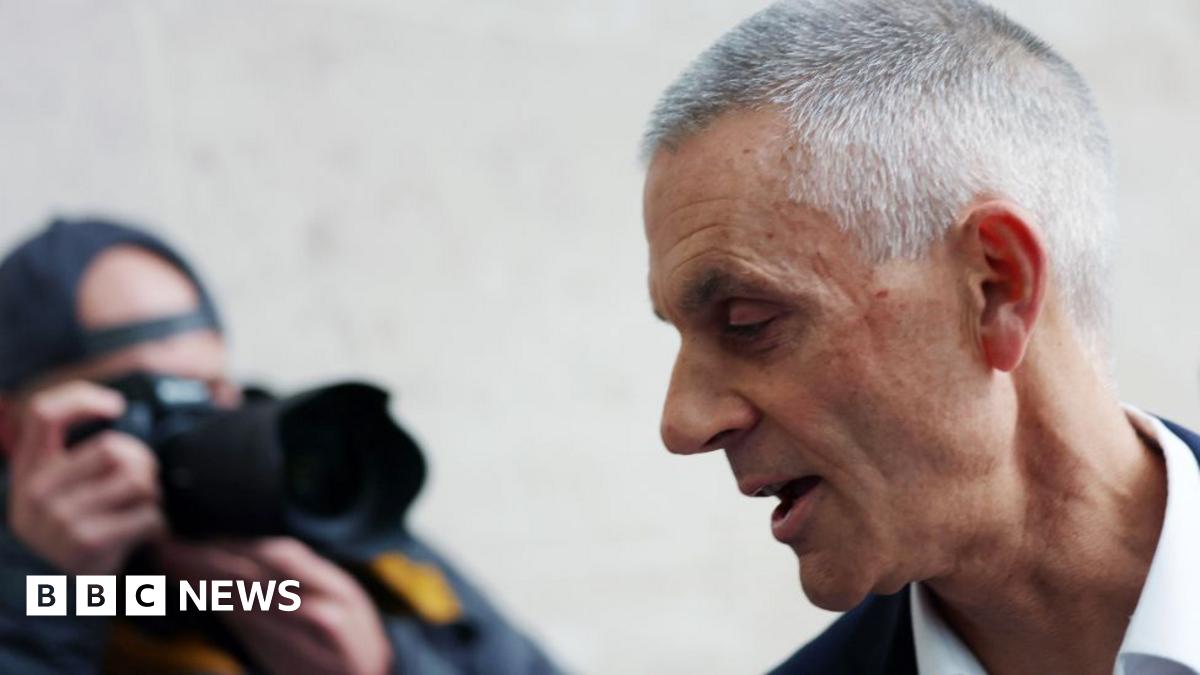
The full story of what exactly precipitated the downfall of the BBC’s director general and his CEO of News is probably still emerging.
But one part of it, to my mind, isn’t in question: Tim Davie’s explanation that one of his main reasons for resigning was the human toll that five years in the job (and, presumably, particularly the difficult, error-filled past year) have had on him.
In his resignation email to staff, he wrote of “the very intense personal and professional demands of managing this role over many years in these febrile times”.
On a human level, it’s relentless. But there are plenty who – perhaps understandably – have little sympathy for the outgoing DG.
They point out that the job is highly remunerated (it is), brings many perks with it (it does) and that there were just too many mistakes on his watch.
Every time a story has blown up (most recently, two Gaza documentaries, Bob Vylan at Glastonbury, and now a misleading edit of a presidential speech), I have immediately been messaged by journalists outside the BBC. The question is always the same. “Surely this time the DG has to go?”
Whatever the arguments over individual crises, we live in a ‘hunting for a scalp’ media culture.
And when it comes to finding Davie’s replacement, the words of the BBC chairman Samir Shah have stayed with me.
“This is not an easy job to fill, it really isn’t,” he told staff on Tuesday. “And I have to be honest, the way we as a country attack people, really personally, is not good.
“Why would somebody want to do this job if that’s what they face? We’re asking a lot of a director general.”