
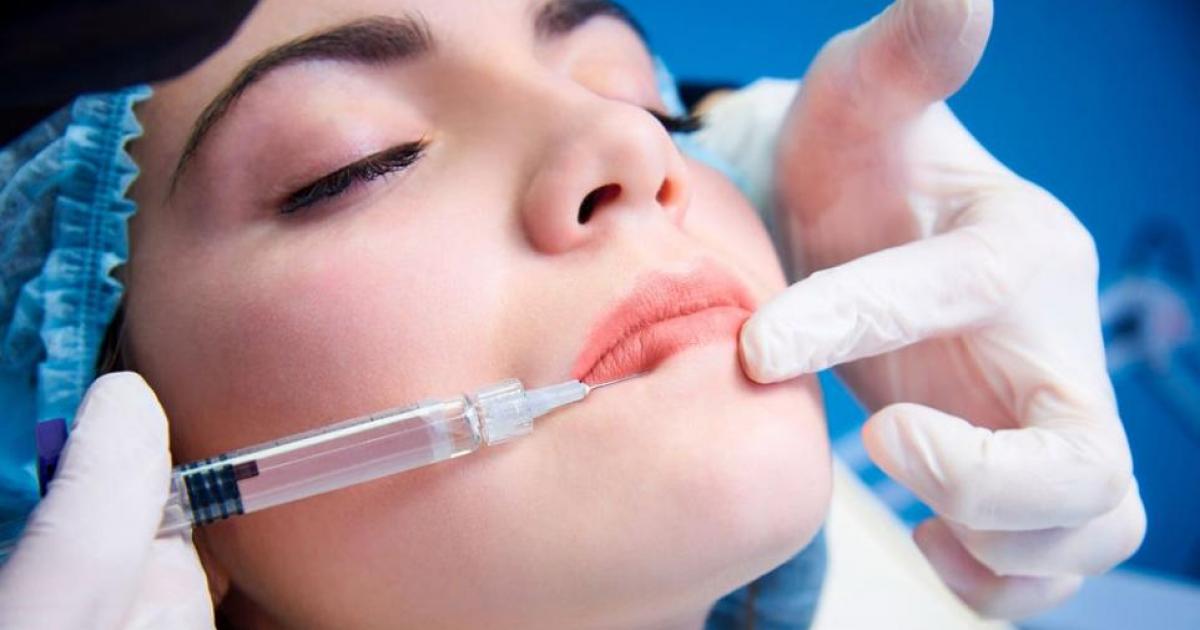
Last year, a survey by the Medical & Dental Defence Union of Scotland (MDDUS) found one in three Scottish doctors have treated patients for injuries sustained after cosmetic procedures carried out by unlicensed practitioners. Among those who had seen such cases, around 78% said numbers were increasing.
Most doctors reported the youngest patient they had treated after an unregulated cosmetic procedure was in their twenties, although a small minority had treated teenagers — including some under 16.
Dr Mike Tee, Medical Doctor at the Harley Street Skin Clinic, said: “The survey from the Medical & Dental Defence Union of Scotland (MDDUS) reveals a lot of shocking truths and highlights how Scotland still has a long way to go when it comes to aesthetics regulations.”
Dr Tee said a current lack of regulation on such procedures is now feeding directly into frontline NHS demand.
The doctor said: “NHS Scotland has faced huge pressures in recent years from an uptick in botched beauty surgeries, with many patients resulting in emergency rooms as they have no where else to turn.
“Wait times are at its highest and the number of patients waiting for treatment is soaring, and the ‘wild west’ of aesthetics is adding further pressure and stress.”
MDDUS medico-legal adviser Dr Kate Arrow told The Herald she used to run a pre-operative assessment surgery and had a patient every few weeks “presenting with complications from unregulated or overseas cosmetic procedures”.
She added: “I think it’s underreported how many people need secondary intervention from the NHS.”
READ MORE:
At present, anyone in Scotland can train to administer Botox and other non-surgical cosmetic procedures.
Aesthetic qualifications can be completed in a matter of days and there is no legal restriction preventing non-healthcare workers from administering injections once a prescriber has issued the product.
Official figures on how many people in Scotland need NHS treatment after cosmetic procedures go wrong remain patchy. Health boards do not routinely record whether a patient’s injuries were caused by non-surgical aesthetic treatments.
Ministers have previously confirmed this information is “not centrally collected”, meaning there is no national total for complications from high-street or unregulated injectables.
Dr Tee also said non-surgical cosmetic treatments are now becoming “more and more accessible” outside traditional medical environments.
He pointed to the emergence of high-street “aesthetic clinics”, including one expected to open in Glasgow later this year.
“Superdrug, for example, has now added an aesthetics section after the success of its well known brow and nail beauty bars,” he said, “The new Glasgow store will offer injectables such as lip fillers and Botox and highlights a clear sign of how these treatments are moving even more away from medical practice alone and into the mainstream -even after plenty of calls to action from clinics and professionals such as ourselves.”
He continued: “One of the main issues here is that treatments are being seen as cosmetic rather than medical. With this, these rules have not evolved quickly enough to enforce the regulations in non-clinical settings. The regulatory framework needs to adapt to include these settings.”
Superdrug said its clinics operate under strict clinical safeguards.
A spokesperson said all treatments are carried out by Nursing and Midwifery Council-registered nurses, in registered premises, and that the company “strongly advocates” for strengthened regulations across the sector.
The spokesperson added: “All our clinics are registered premises and adhere to the clinical standards set by these bodies to provide clinical excellence and meet the highest standards of patient safety and hygiene.
“Unlike many high street salons offering injectables without medical oversight, Superdrug Aesthetics Clinics provide face to face consultations. These can be booked online and are conducted in person by a highly qualified nurse.”
The concerns around the accessibility of treatments comes as ministers are now assessing public consultation to their proposals aimed at tightening regulations around cosmetic procedures.
Consultation on the proposals closed on Friday, with ministers now expected to consider the responses before the bill progresses to its next parliamentary stage.
Under the proposed Non-surgical Procedures and Functions of Medical Reviewers (Scotland) Bill, ministers plan to introduce a minimum age of 18 for all cosmetic procedures and create a risk-based licensing system for practitioners and premises.
Higher-risk treatments, such as dermal fillers and Botox, would have to be supervised or delivered by qualified healthcare professionals in Healthcare Improvement Scotland-regulated settings. Lower-risk procedures would also face new licensing requirements.
Certain invasive procedures – including breast and buttock augmentation – would only be permitted in HIS-regulated settings under the proposals.
The British Association of Aesthetic Plastic Surgeons has previously said the regulations are a “big step” forward, but that it would like to see more restrictions on who can administer injectables such as Botox in Scotland.
Healthcare Improvement Scotland has said they support the principles of further regulation and that the majority of cosmetic procedures should be provided by healthcare professionals or under their supervision.
A spokesperson for Healthcare Improvement Scotland added: “We urge anyone looking to get cosmetic interventions to think about their health and wellbeing and seek their care from a regulated provider.
“Clinics registered and regulated by Healthcare Improvement Scotland can be found on our website and patients can use this information to support their decision making in finding a quality assured service.”
Public Health Minister Jenni Minto said it is “vital” that Scotland sees “safe standards across this industry”, explaining that this is why the Scottish Government has brought forward legislation to regulate this sector.
The minister added: “Our aim is to ensure there is robust and proportionate regulation in place so that anyone who chooses to have procedures, such as Botox, can do so safely.
“We have worked with a range of stakeholders including business owners, healthcare professionals, non-healthcare practitioners, environmental health officers and professional regulators to develop our proposals. Our priority is to address the public safety concerns that exist in this sector, while ensuring businesses that may be impacted are able to access support.”