
Hormones from human medicines are also having an effect, along with the build-up of everyday chemicals used in homes and businesses.
DWT also manages the county’s Water Guardians – a year-round project funded by Wessex Water involving 86 volunteers who, between them, walk nearly 100 miles (160km) of their local river banks each month looking for visible signs of pollution.
Ms Divine, the project’s co-ordinator, said: “We have got a hotline to report to Wessex Water and they come and investigate, usually within 24 hours, and they keep us updated.
“We do lots of additional training, like aquatic plant ID. The teams also do Himalayan balsam pulling so they are involved in invasive species management as well.”
Monitors have also detected other problems, including acute spills and farm pollution, which have been investigated by the Environment Agency.
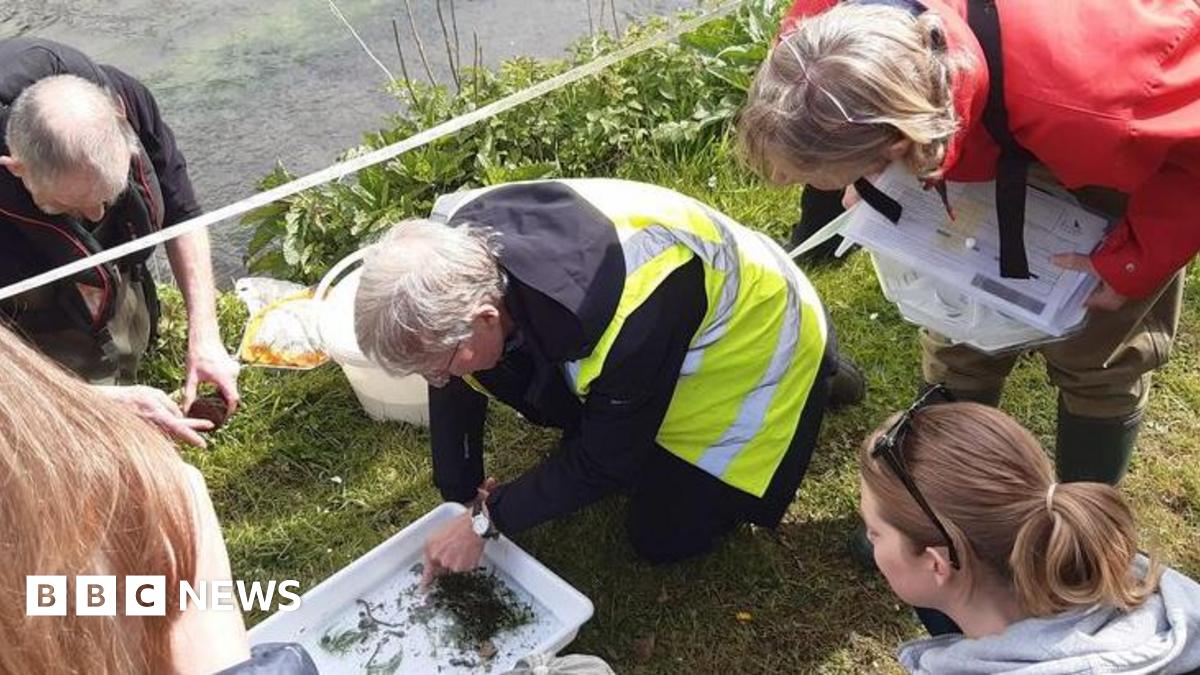
Ms Zimmerman, who volunteers for both projects, has spent her entire career in science and environmental education but says anyone with an interest can take part.
“It’s a nice thing to do if you are passionate about the rivers,” she said.
“I’ve got several sites I monitor and do it with different people. I’ve made lots of new friends, it’s a great social thing.
“Having taught about the environment for so many years, it was something I wanted to keep doing when I retired.
“And what could be nicer than sitting beside a river on a sunny day?”