
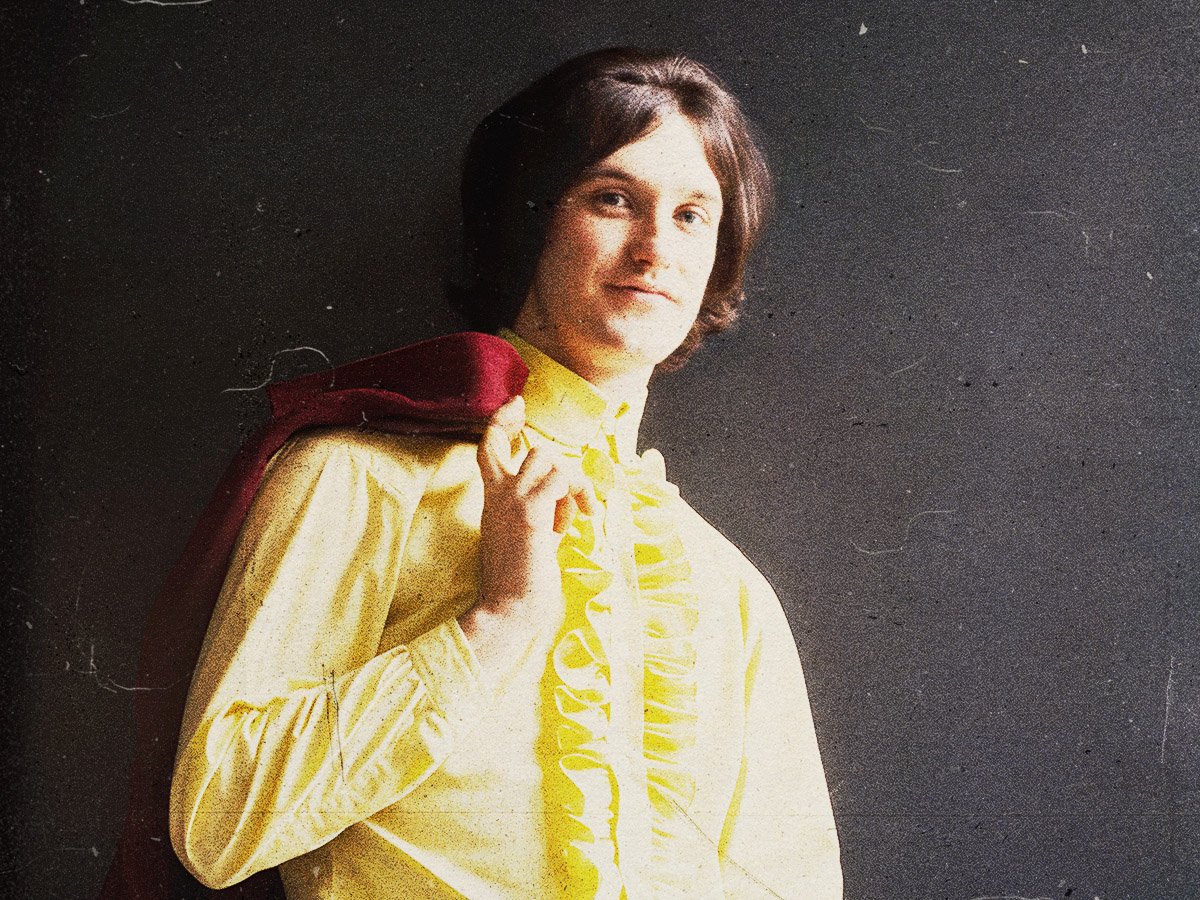
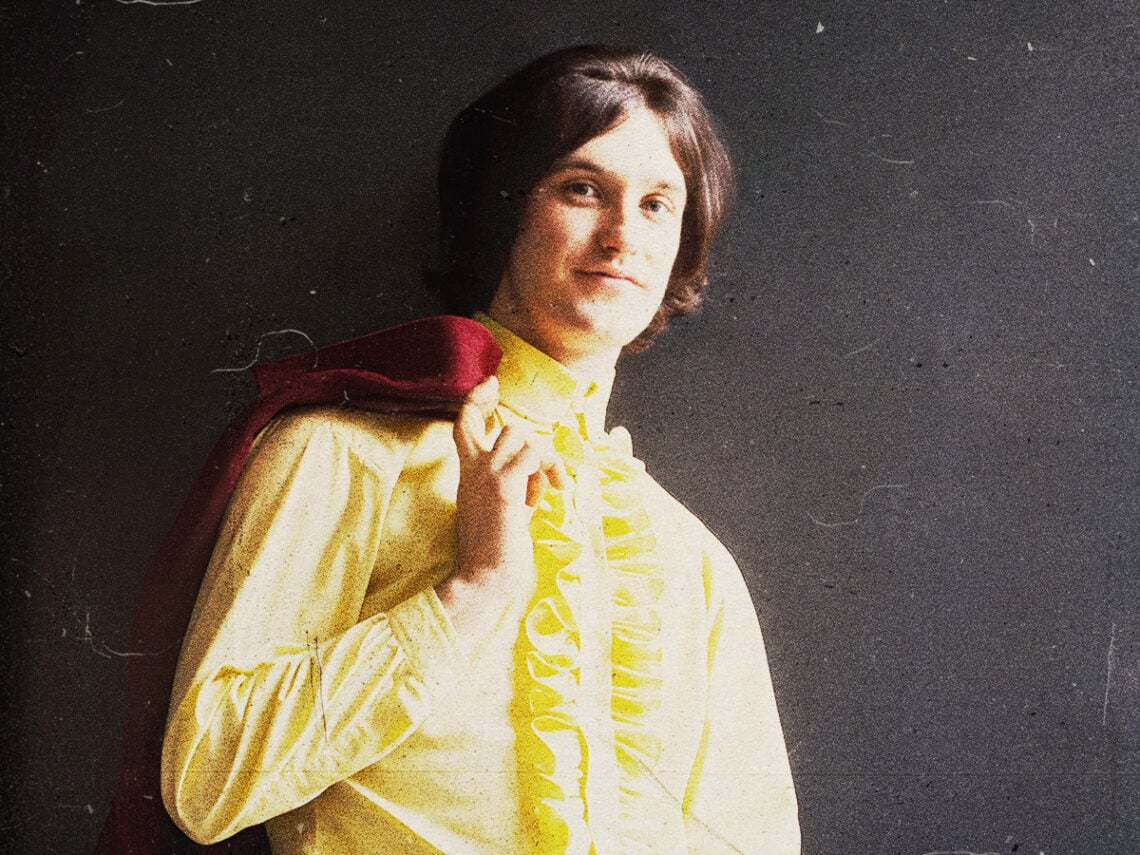
(Credits: Bent Rej)
Sun 16 November 2025 7:00, UK
An all-encompassing cultural revolution marked by mini skirts, Mini Coopers, and World Cup success, the Britain of the 1960s was a truly transformative age, and the soundtrack was provided by the raucous mod rock rebellion of The Kinks.
Inevitably, though, the age of Carnaby Street and typhoid had to come to an end eventually, and where would that leave Ray and Dave Davies?
The sound of The Kinks came as a revelation to the rock and roll landscape of the UK, with era-defining anthems like ‘You Really Got Me’ paving the way for countless other short, sharp, and endearingly abrasive masterpieces in their wake.
Without the output of the Davies clan, the world might never have known the sounds of The Who, for instance, along with virtually every alternative rock and punk outfit that followed in the wake of the swinging sixties. Nevertheless, the music industry moves fast, and you can’t expect to stay on top forever on the back of a handful of singles.
Artists come and go from the hit parade with almost alarming regularity, but it takes a very special outfit to stay there for an extended period of time. To their credit, The Kinks saw the potential for artistic development very early on, exchanging their mod rock rebellion for profound social commentary in the guise of concept albums like The Village Green Preservation Society or Arthur. Although neither of those records brought the band much in the way of commercial success, they did at least keep The Kinks’ output fresh and exciting, while many of their 1960s peers grew stale.
Still, The Kinks’ cultural relevance certainly tailed off during the 1970s, following the dizzying heights of hits like ‘Lola’ and a series of forgettable and pretty bizarre records like Schoolboys in Disgrace. With the emergence of the punk age, which The Kinks had ironically helped to initially inspire, the ageing band were at risk of becoming a relic of the 1960s.
In other words, the band were in dire need of some reinvigoration, and that came in the form of their 1977 record Sleepwalker. Abandoning the ambitious sounds of their various concept albums, which preceded it, the album saw The Kinks embrace their age and stature, opting for a sound as close to arena rock as they ever came. It wasn’t quite the revolutionary sound that they had forged the decade prior, but it did at least usher in a new era for the band, which was reinforced by albums like Low Budget which came later.
“The Low Budget album was very good,” Dave Davies once told Rock Cellar, despite the fairly lacklustre reception it gained upon its initial release. “I think ‘Sleepwalker’ was a very catchy and important song, it’s very captivating and it had more of a commercial sensibility, too,” the guitarist continued. “It was a rebirth for us, it was a very powerful time for The Kinks.”
Indeed, without that powerful time The Kinks might have thrown in the towel entirely during the late 1970s, ignored by the very music scene that they had been essential in establishing. Their arena rock period certainly didn’t put them back on top of the rock and roll pyramid, but it did have its merits, and it kept the group together for another few decades.
Related Topics