
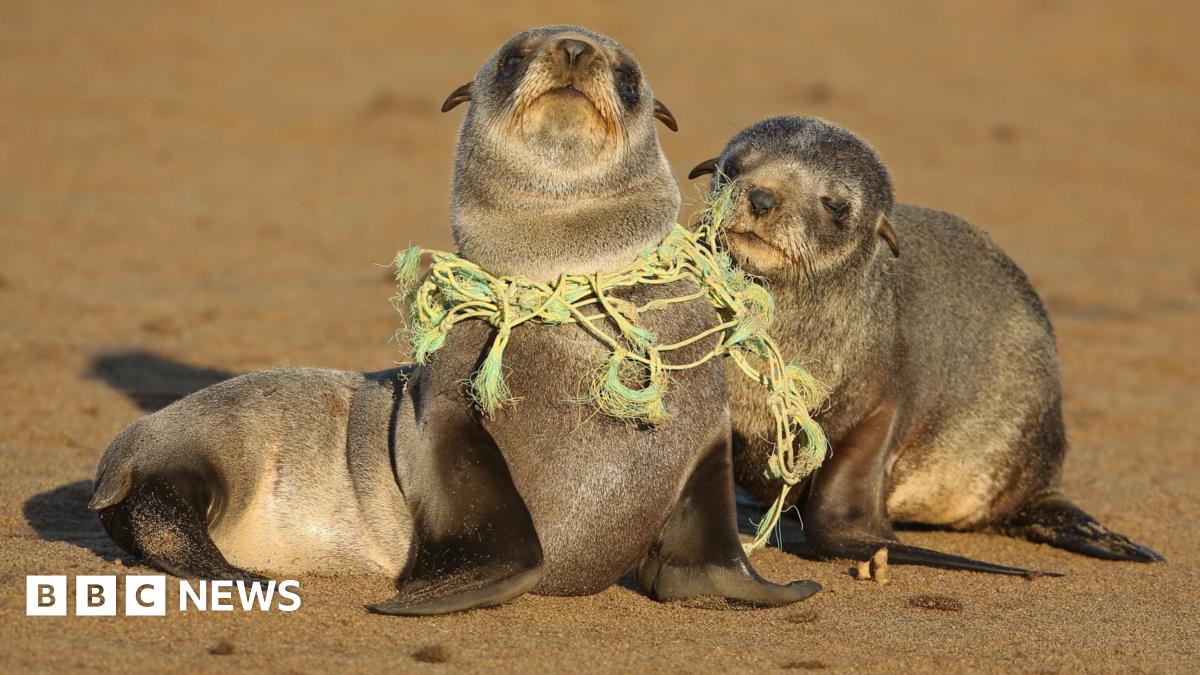
“It’s a really important reminder that plastic pollution does pose an existential threat to ocean wildlife,” said lead researcher, Dr Erin Murphy of the US-based environment group, Ocean Conservancy.
The analysis used autopsy data from seabirds, sea turtles, and marine mammals such as seals, sea lions, and dolphins, collected worldwide. Nearly half of the sea turtles studied, a third of the seabirds, and one in ten of the marine mammals had eaten plastic.
The researchers estimated the death risks from swallowing different sorts of plastic in each group of marine animals.
They found the type of plastic matters: rubber is most dangerous for seabirds; soft plastics and fishing debris pose the greatest risk to marine mammals; and both hard and soft plastics threaten turtles.