
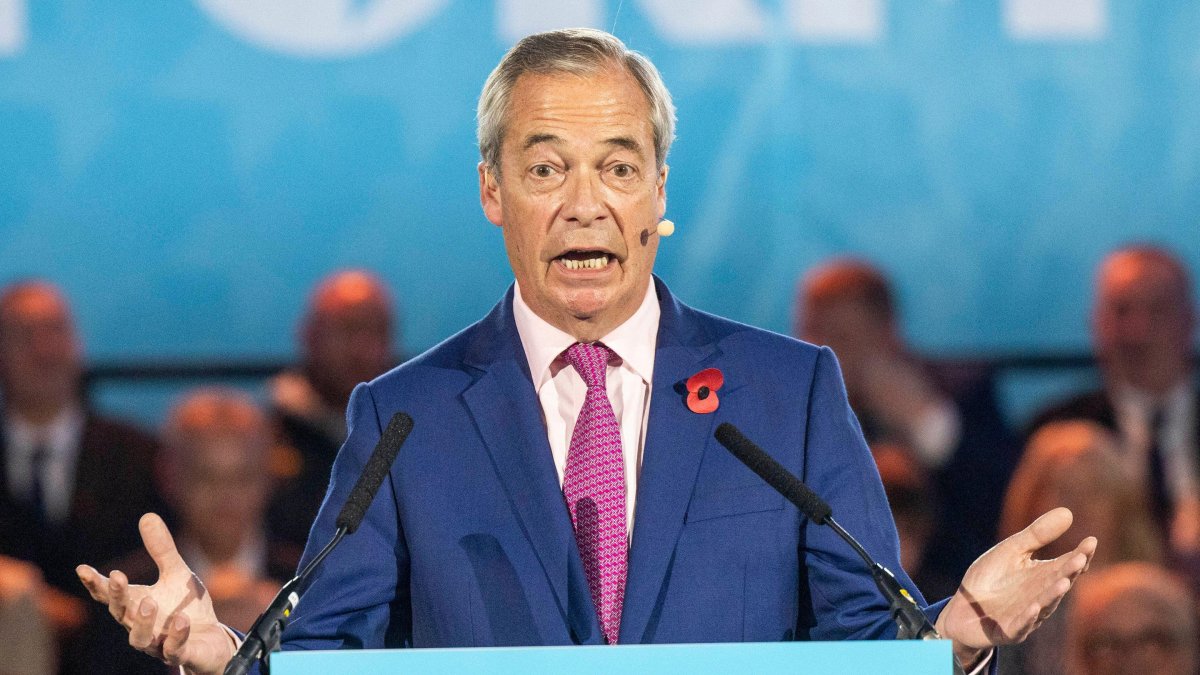
Foreign nationals must “bear the brunt” of plugging the gap in Britain’s finances, Nigel Farage will say, as he announces plans to strip EU citizens of benefits, more than double the cost of the NHS surcharge and cut foreign aid spending by more than 70 per cent.
The Reform UK leader will use a press conference in London on Tuesday to warn Rachel Reeves, the chancellor, that it is “outrageous” to expect people to pay for the cost of balancing the books with tax rises.
Farage and Zia Yusuf, Reform UK’s head of policy, will announce plans for £25 billion of spending cuts that they say would avoid the need for tax rises.
• Budget 2025: Which taxes could Rachel Reeves raise?
Yusuf said: “Labour has a choice. They can either go ahead and raise taxes on British citizens or they can enact our proposals which put British people first and ask foreign nationals to bear the brunt of the black hole, not British citizens.
“Most British people would consider it outrageous to expect British people to pay higher taxes or see their services cut whilst their money is being spent this way.”
Farage would give EU citizens who are claiming universal credit three months’ notice before ending their payments. If the EU refused to accept the terms, a Reform UK government would take unilateral action, regardless of the threat of “trade retaliation”. The party claimed the approach would save £6 billion a year.
Yusuf said: “The whole thing is totally out of control. We have put in a three-month period during which we would embark on those negotiations. If you are unwilling to have these difficult conversations, the status quo cannot continue.”
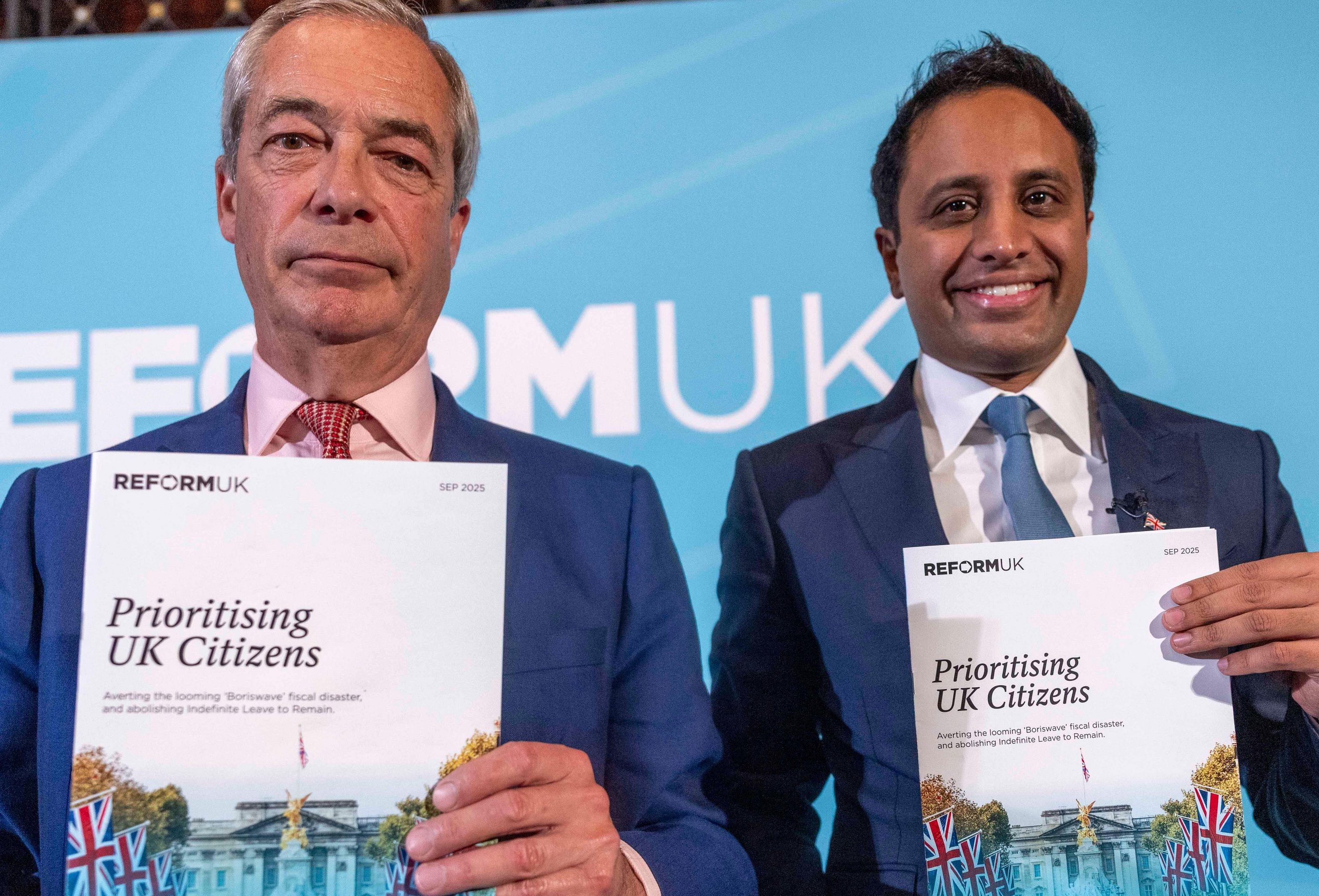
Farage and Zia Yusuf will unveil their plans at a press conference on Tuesday
KARL BLACK/ALAMY
Reform UK would increase the NHS surcharge for foreigners in Britain from £1,035 to £2,718 a year, raising £5 billion a year. Farage will argue that the increased charge would be fair because it would reflect the cost per person of the total NHS budget for England.
Yusuf said that £2,718 represented “great value”, particularly because foreign citizens were more likely to have children than British citizens, increasing the pressure on the NHS. “It’s a matter of principle,” he said. “Why should a foreign national get a 65 per cent discount? It’s great value, somebody can pay more and get vastly more out of the NHS.”
The party said that the policy would save £5 billion in 2025-26, while there would be an exemption for foreign citizens working in the NHS.
Reform UK would also seek to cap the foreign aid budget, which will be £13.6 billion in 2025-26, to £1 billion a year. It said that the payment would be sufficient to retain Britain’s seats at the UN, World Bank and elsewhere while promoting British interests abroad and funding disaster relief.
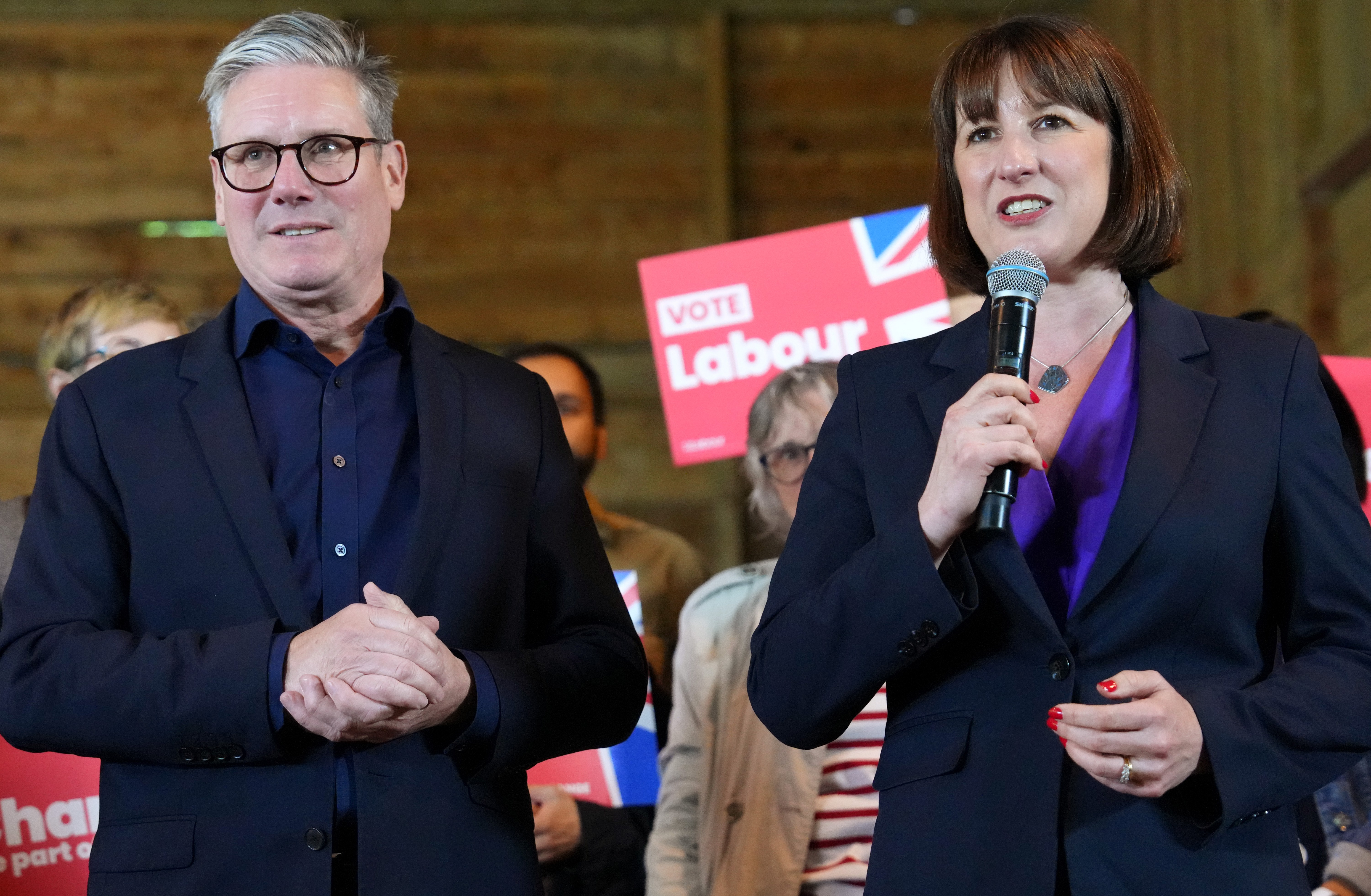
Rachel Reeves will impose significant tax rises in the budget next week
CARL COURT/GETTY IMAGES
In the first year of a Reform government, £3.6 billion would be spent on foreign aid, including the cost of asylum hotels, equating to a 73 per cent cut to the foreign aid budget.
Yusuf said: “There are plenty of examples of egregiously wasteful spending. Until the finances are on a sound footing it is unpalatable and immoral to keep foreign aid spending at these levels.”
Other savings would be made by cutting disability benefits and deporting foreign criminals.
Reeves is facing a shortfall of as much as £20 billion in her budget and needs about £15 billion to act as a cushion against future shocks. Last week she dropped plans to increase the basic rate of income tax by 2p after receiving better than expected economic forecasts.
However she will still have to resort to significant tax rises to fill the gap. They include an £8.3 billion stealth tax which involves freezing income tax thresholds, with people dragged into higher bands of taxation as their wages increase. More than ten million people are expected to be higher-rate taxpayers by the end of the decade.
The government will also mount a tax raid on pension contributions and is expected to confirm a new levy on electric cars. There will also be new taxes on expensive properties.