
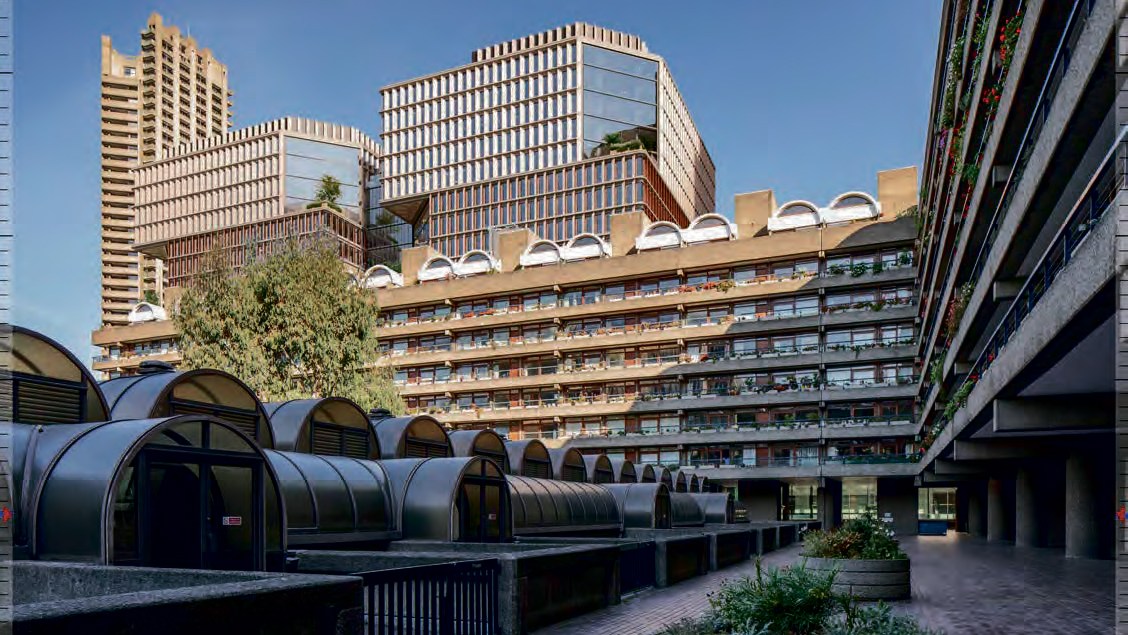
More than 1,000 objections have been lodged against plans for a new office development next to the Barbican, with residents and high-profile supporters, including the artist Sir Antony Gormley, calling for the scheme to be scaled back.
As part of the proposed development, which has been submitted to the City of London authorities, a 21-storey office building would be constructed beside the brutalist Barbican complex.
While developers have said it will create a “much-needed” public plaza next to the Barbican’s Silk Street entrance as well as provide office space in the City of London, which is in high demand, residents fear the scheme is “oversized” and could have a negative impact on light, views and the character and heritage of the area.
The proposals include plans for new cultural spaces, potentially providing facilities for the Guildhall School of Music & Drama, a shared community hall and a new pedestrian route connecting Moorgate and Liverpool Street stations with the Barbican.
• Inside the £191m Barbican rebuild to restore a brutalist landmark
The 91,100 sq metre scheme, planned by Lipton Rogers Developments, the firm best known for 22 Bishopsgate, the City’s tallest skyscraper, is separate from the Barbican’s own £240 million plans to overhaul its interior foyers, conservatory and lakeside terraces in time for its 50th anniversary in 2032.
Barbican Quarter Action, a campaign group, which represents residents and local stakeholders, described the Silk Street application as “a devastating blow” and “needlessly harmful to the architectural and visual coherence of the Barbican and the immediate area”.
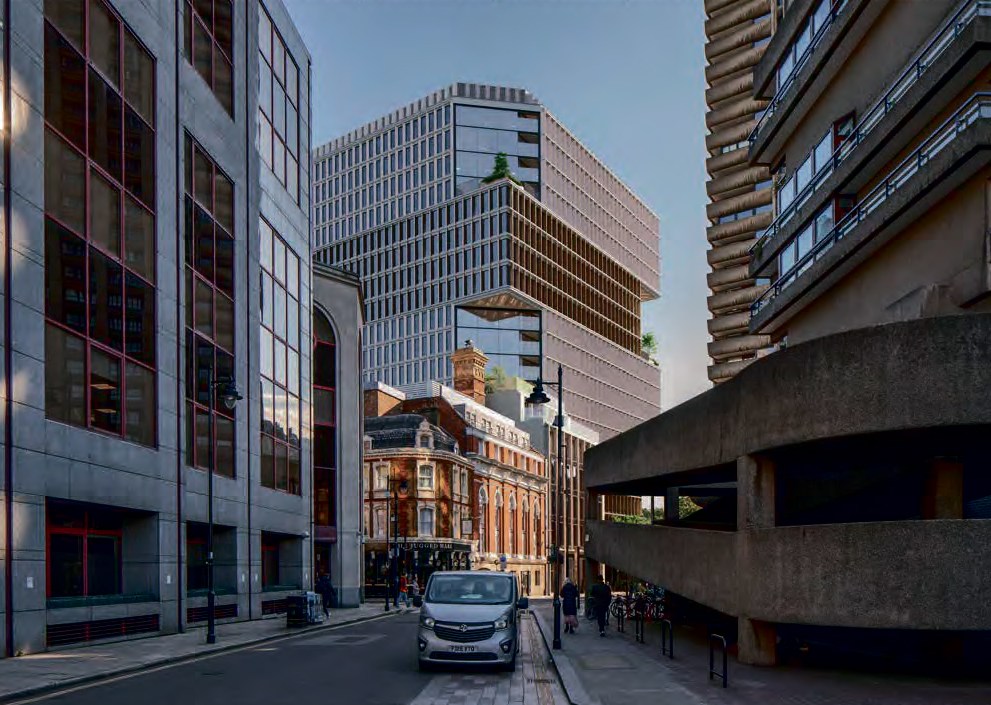
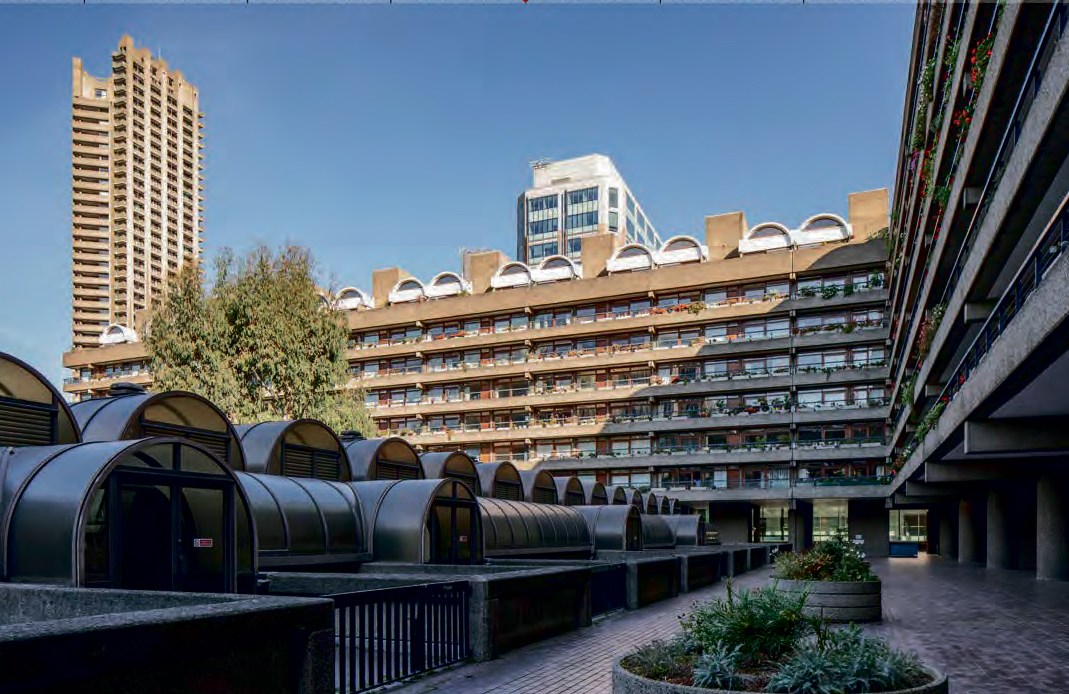
The view of the development from Silk Street, and the current view, below
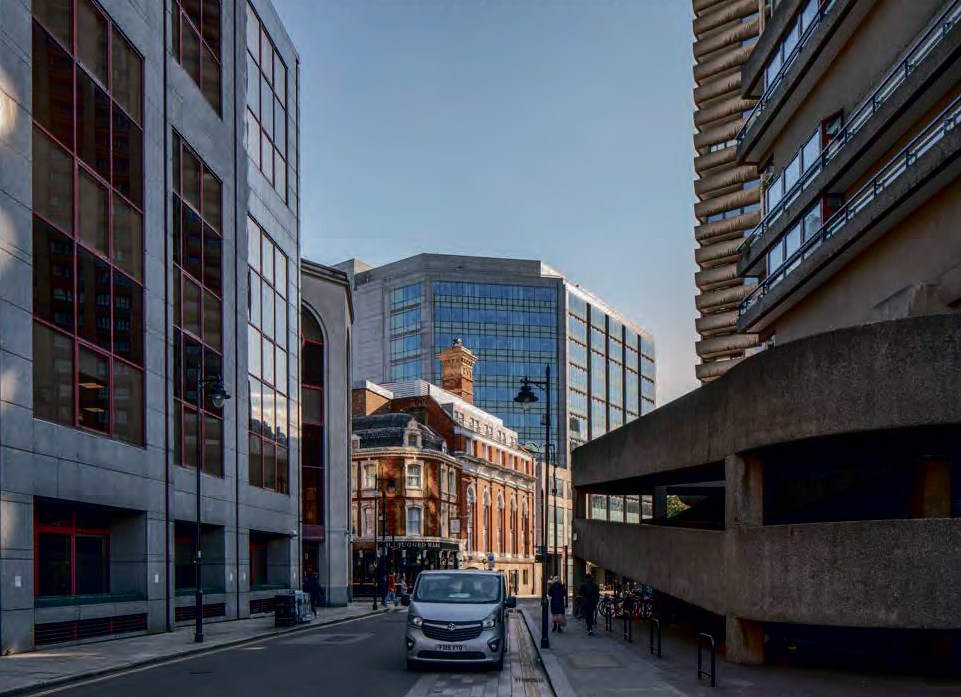
The group argues the scheme would be “hugely damaging to residential amenity and the surrounding area in terms of density, scale and light impact”.
“It’s just an inappropriate building. It’s not good enough for that location,” said Bernard Hughes, a resident of the Barbican and part of the campaign.
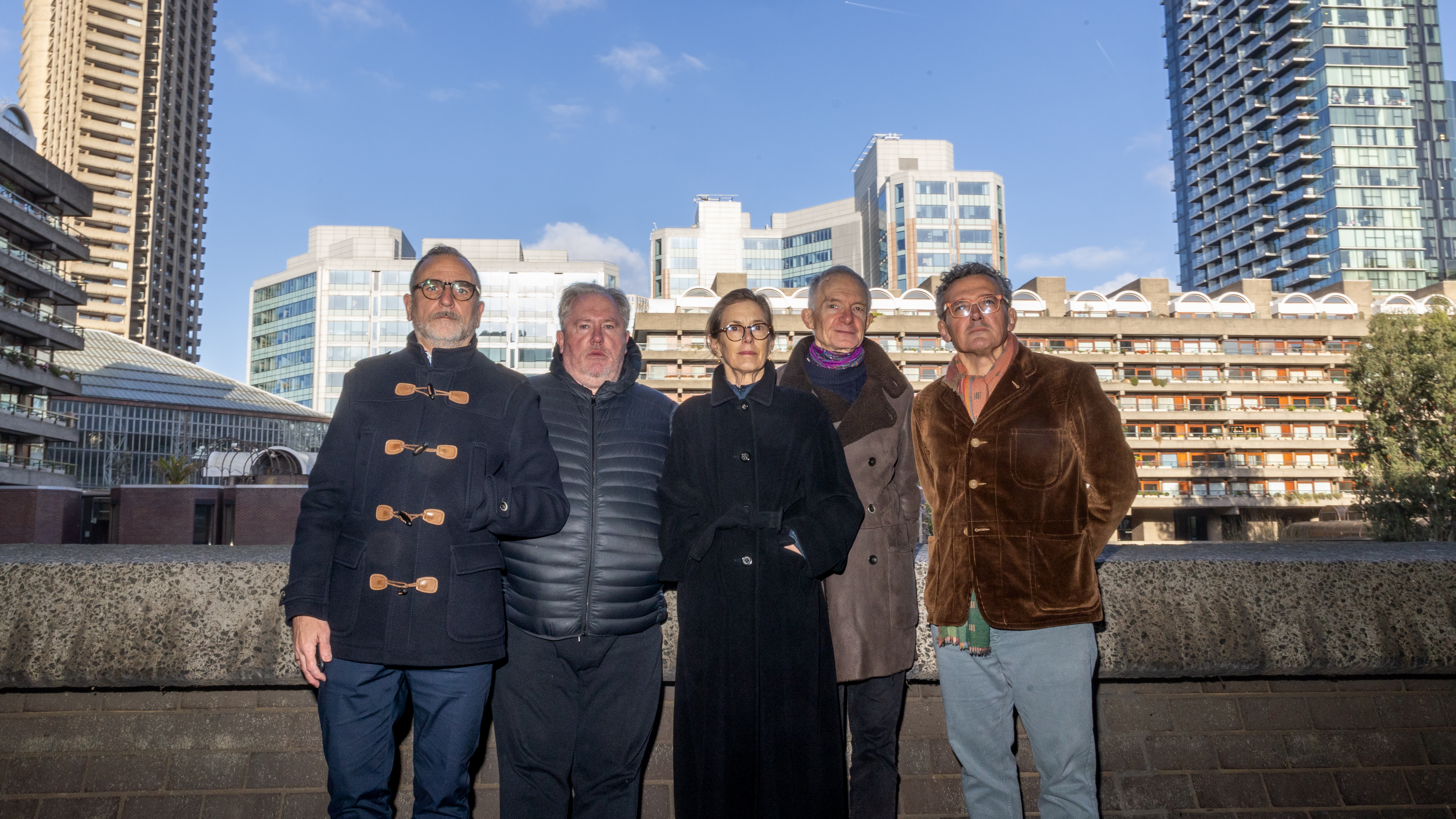
Bernard Hughes, second from right, with fellow campaigners against the proposals
JOSHUA BRATT FOR THE TIMES
“Many residents are affected. There is absolutely no doubt whatsoever that many flats will be cast into darkness, including working areas, studies and bedrooms, even the light at the local primary school.
• The Barbican has never been fit for purpose — it’s time to move on
“It will impact the gardens and the Barbican conservatory, home to over 1,800 tropical plant species. It will all be affected by this Jenga block of towers that will dominate the eastern half of the estate.
“This is just not thought through. And it’s not world-class enough for this location.”
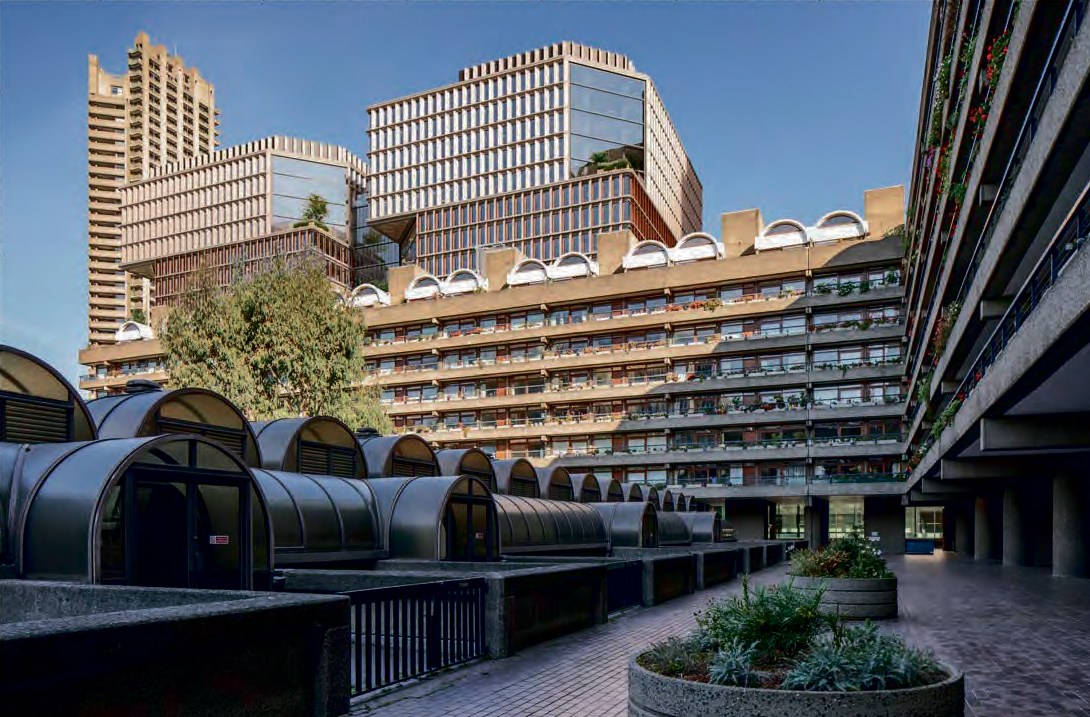
Before-and-after views from within the Barbican complex
They said the original consultation by the developer “failed to show the overwhelming impact of the proposal on the Barbican”.
Residents say they want to see a redesigned scheme “that everyone can be proud of” and one that will “enhance the reputation of the City of London”.
Sir Antony Gormley, the British sculptor best known for works including Angel of the North in Gateshead and Another Place on Crosby Beach, near Liverpool, is among those backing calls for the plans to be reconsidered, saying that the Barbican’s long-established community must be protected.

Antony Gormley with one of his sculpture projects in Austria
JOHANNES SIMON/AFP/GETTY IMAGES
“The Barbican was conceived as a model for good living at the very heart of our city,” he said.
“[The architectural firm] Chamberlin, Powell and Bon nestled gardens, a remarkable conservatory and a world-renowned arts centre into the development for the benefit of residents and visitors alike.
“It is a place to be comfortable, to be inspired, to be at home. Justly celebrated the world over, the Barbican’s precious vision of community within a metropolis must be protected and safeguarded from the kind of raucous development that should be carefully ringfenced within the core of the City of London.”

The Barbican is celebrated by many for its modernist architecture
JOSHUA BRATT FOR THE TIMES
Also supporting the campaign is the contemporary artist Sir Michael Craig-Martin; the world leading historian of modernist architecture Kenneth Frampton; the Stirling prize-winning architect Amanda Levete; the Yale Architecture professor Joel Sanders; The Gardens Trust; and The Twentieth Century Society.
The two buildings occupying the site, Milton House and Shire House, date from 1982 and were refurbished in 1996. However, new energy performance standards will mean they will soon be considered unlettable.
Linklaters, the “magic circle” law firm and one of the largest tenants, is due to relocate to new offices in Ropemaker Street next year.

Renders of the proposed development

Developers plan to retain about 40 per cent of the existing basement and foundations to reduce embodied carbon, construction waste and dust and noise disruption.
“The City of London faces a clear and pressing need for high-quality office space, with the City of London Corporation identifying that 1.2 million sq m of additional office space is required by 2040 to meet this demand, and current vacancy rates for this type of office space at 1.4 per cent,” a spokesperson for the development said.
“1 Silk Street directly responds to this demand by delivering modern, sustainable workspaces with large floorplates and of the highest quality in one of the world’s most competitive financial districts. The scheme also brings significant public benefit, including a new retail arcade, a vibrant new public plaza, shared-use community hall, and cultural spaces. Together, these elements will help ensure the City remains a dynamic, globally connected centre of activity and investment.”
The development will have green terraces, street-level planting and new trees, resulting in a 142 per cent increase in planted areas.
Demolition of the site is expected to take about 12 months, followed by three and a half years of construction, with completion targeted for 2032.