
Matt lost his father Peter in August after he was diagnosed with advanced leukaemiaAlex Driscoll Breaking news reporter, Miles O’Leary Senior Content Editor and Rachael Davis PA Real Life Editor
06:00, 22 Nov 2025
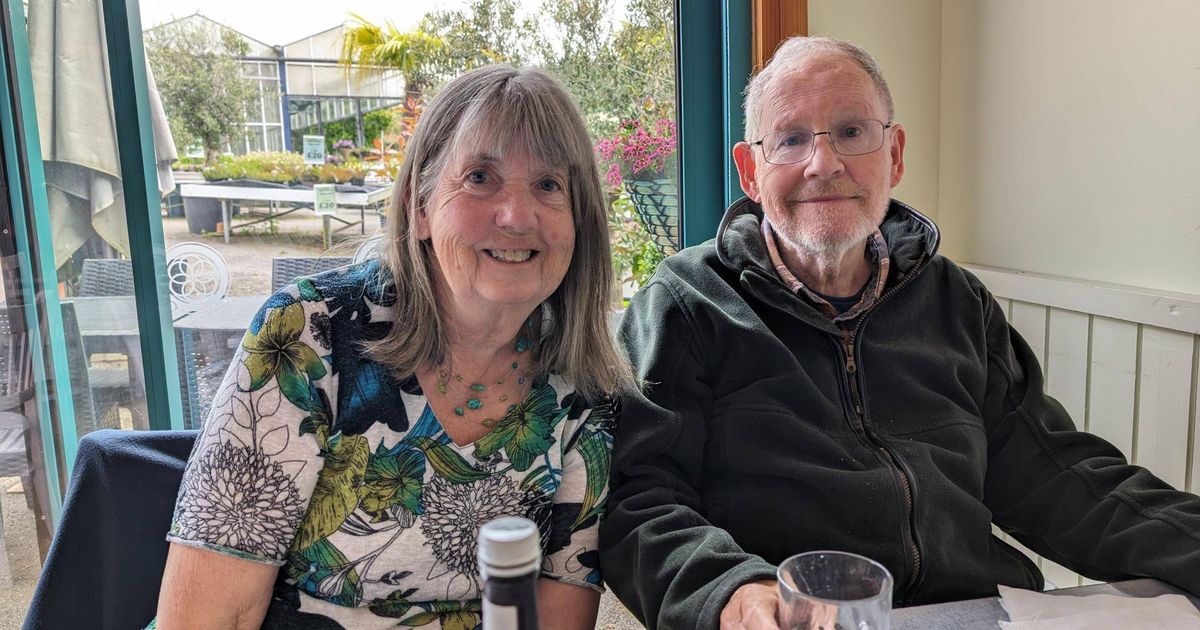
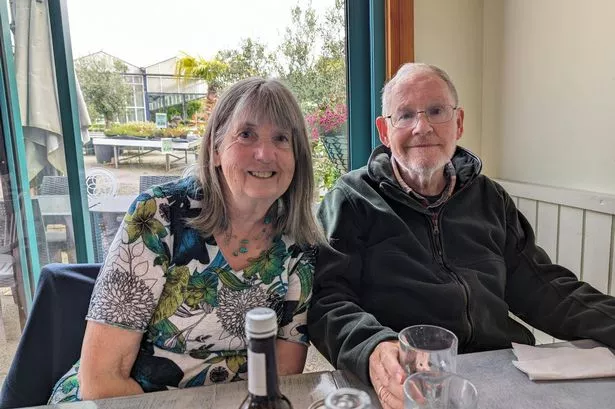 Pamela and Peter Starling(Image: PA)
A Cornwall man has spoken of his regret after his father passed away in a hospital, a place he had expressed not wanting to be. Matt Starling, 50, lost his father Peter in August following an unexpected terminal diagnosis during hospital checks after a fall.
Peter, aged 82, was believed to be in relatively good health, albeit becoming “frailer with age”, managing diabetes, and having survived several strokes. Matt shared that his father had always made a “fairly good recovery” and was considered to be in good health.
In late July, Peter experienced a fall at home and was unable to get up unaided, leading to paramedics being called out.
Initially, it was suspected that he had a urinary infection and he remained at home to recover. However, the following day, Peter’s condition worsened and he was taken to hospital.
During his hospital stay, doctors discovered that Peter had advanced leukaemia, which had gone unnoticed as he didn’t exhibit any obvious symptoms of the disease, and sadly informed his family that there was nothing they could do, reports Cornwall Live.
At this point, Peter expressed his wish to return home and pass away there – a desire his family were previously unaware of – but due to logistical issues, he died before he could be brought home.
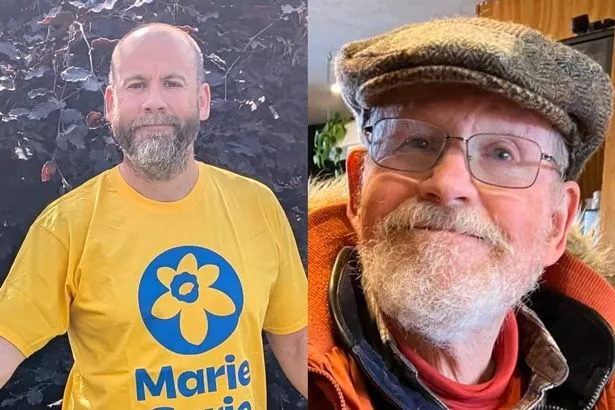 Matt Starling (left) lost his dad Peter (right) earlier this year(Image: PA)
The distress and sorrow of trying to fulfil his father’s last wishes have prompted Matt to initiate discussions with his wife and 20 year old daughter about what a “good death” means to them. This way, when the inevitable time comes, the remaining family members can prepare to respect their wishes as much as possible.
“It just feels wrong, that this thing that is so inevitable – at the end of the day, it is the one thing we can be certain of – we can’t have a conversation about,” Matt told PA Real Life.
“It doesn’t have to be morbid, it doesn’t have to be gloomy..
“It’s that sense for me that if we can have conversations now, talk about it now, it makes it easier for those that are here. But also, it means you can perhaps do that last bit for the person that isn’t, knowing that you are doing what they wanted.
“Because, again, making decisions or judgments in the heat of what’s going on was difficult and just added to all the other stress that was going on.”
During the years before Peter’s passing, his condition had declined following several strokes, though Matt explained he’d consistently made a “fairly good recovery”, despite becoming “frailer with age”.
What Matt and his two siblings didn’t realise was that Peter’s care requirements had grown significantly in recent years.
Matt explained his parents had always maintained a “traditional relationship”, with his father working as the provider whilst his mother Pamela managed the household, but it emerged during Peter’s hospital stay that Pamela had been shouldering increasing care duties after his strokes.
“I think quite a lot of that was really hidden by my mum, who provided that care for him,” Matt explained. “He became perhaps less independent than he’d been, but the whole family weren’t really aware of that, because Mum always had sort of fussed over him.
“They had quite a traditional relationship in terms of dad had been the main breadwinner for many years, mum was the traditional homemaker, and so my dad never was proactive in the house. So we didn’t almost see him becoming less and less so.”
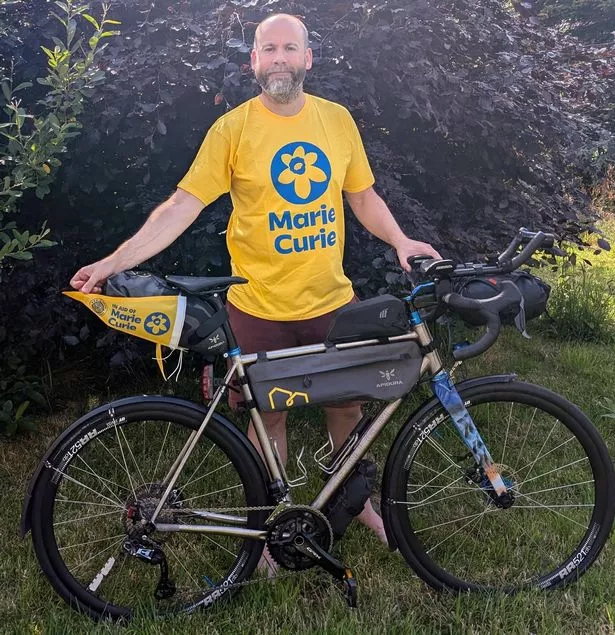 Matt said that talking about the end of life ‘doesn’t have to be morbid, doesn’t have to be gloomy’(Image: PA)
Following Peter’s hospitalisation after the tumble, it emerged he harboured a genuine fear of medical facilities, particularly given the extended periods he’d endured on wards after his strokes.
Once medics confirmed his leukaemia diagnosis and explained no treatment options existed, Peter became determined to spend his remaining days or weeks at his own property.
Medical staff supported his decision, placing Peter in sterile isolation to reduce infection risks whilst his healthcare team expedited funding for necessary equipment and care support to enable his homecoming.
Previously, Peter had never expressed to his relatives his desire to pass away at home, meaning arrangements could have potentially commenced sooner.
Nevertheless, whilst the required funding was secured through the NHS, the shortage of available carers from local private care agencies meant establishing appropriate home care within such a compressed timeframe proved impossible.
Tragically, the family were unable to bring him home before his death, which occurred three weeks following his fall. Whilst discussing mortality and final wishes is frequently viewed as a grim topic to be sidestepped, Matt has discovered that such conversations could reduce the anguish of bereavement if those dearest to us understand what constitutes a peaceful passing for them.
Matt was only aware that his father wanted cremation – he remained unaware of his preferred location for his final moments, nor his funeral preferences – creating additional logistical strain and emotional burden during the challenging immediate grieving period.
Currently, Matt is sharing his story publicly, hoping others will engage in these discussions sooner, highlighting Marie Curie’s “End of Life List”, a pragmatic guide outlining all considerations when preparing for life’s conclusion.
The charity reports that 31 per cent of individuals find contemplating life’s end too terrifying, making these crucial conversations challenging to begin.
Over half of people – 56 per cent – confess to postponing death planning until their wellbeing substantially declines, or they face a terminal prognosis.
Nevertheless, as Matt emphasises, “it doesn’t have to be morbid, it doesn’t have to be gloomy”.
Indeed, he has already discussed with his 20-year-old daughter and spouse his preferred location for his passing, and how he wishes to be remembered after his departure. He has also had a conversation with his mother, who firmly expressed her wish not to die at home.
Now that her wishes are known, the family can do their utmost to ensure her passing is as comfortable as possible when the time comes.
“It feels easier to have them when, hopefully, it’s a very, very long time in the future, rather than having to have that conversation at that time when you’re looking at practical stuff,” Matt stated.
“The things that are perhaps more about personal wishes and thoughts, those conversations could be had so much earlier.”